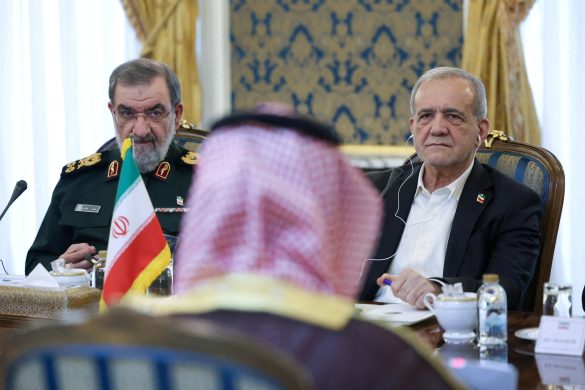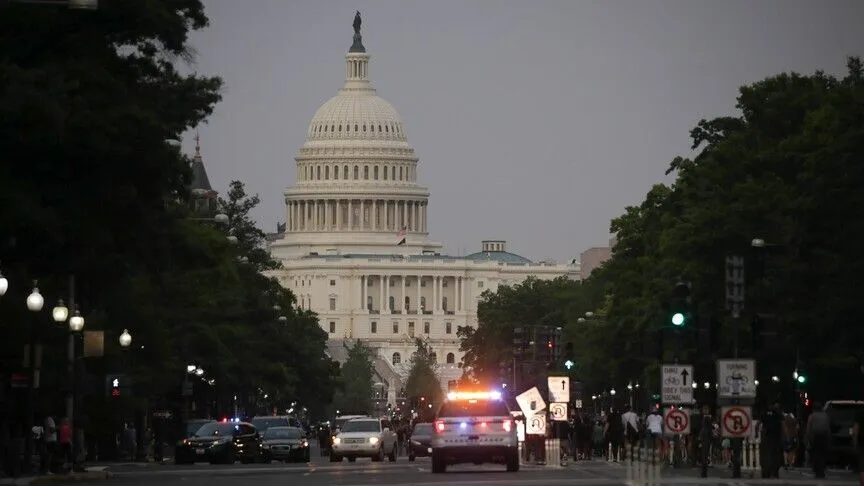
Israel remained on its highest state of military alert on Monday, a day before the United States midterm elections, amid concerns over a possible resumption of hostilities with Iran, according to Israeli media.
Americans are scheduled to vote Tuesday in midterm elections halfway through Republican President Donald Trump’s second term. All 435 seats in the House of Representatives, 35 Senate seats and governorships in 36 states are being contested, alongside thousands of local positions and ballot measures.
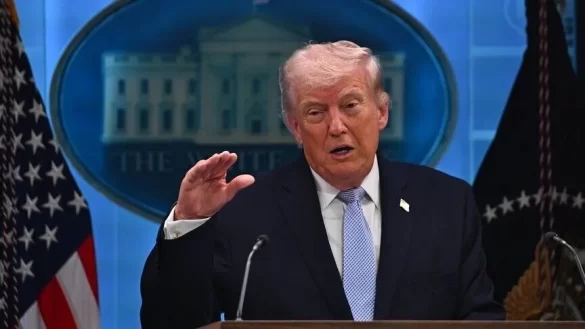
Trump has repeatedly pledged not to launch new strikes against Iran before the midterm elections, while suggesting that military operations could resume afterward. The situation comes amid a continued US military buildup in the region and stalled diplomatic efforts between Washington and Tehran.
According to Israeli media, Prime Minister Benjamin Netanyahu’s government has been pushing for renewed strikes against Iran, ostensibly aimed at overthrowing its government. However, Israeli officials acknowledge that the final decision rests with the White House.
Military Alert
Israeli news website Walla reported on Monday that the country’s military remained on high alert amid concerns in Washington and Tel Aviv that Iran could launch a surprise attack, either directly or through allied groups, against Israeli territory or American interests in the region.
The report said intelligence agencies feared Tehran could stage a large-scale military provocation that might influence the US midterm elections.
Walla also reported that the Israeli military had intensified its defensive and offensive preparations in recent weeks in coordination with US Central Command (CENTCOM) and the Pentagon.
Citing unnamed Israeli military officials, the website said security coordination between Israel and the United States had reached its highest levels. Israel would reportedly receive advance warning if Washington decided to attack Iran.
However, Israeli military assessments suggest that the possibility of a US preemptive strike before the midterm elections remains low. According to the report, Trump prefers to exhaust diplomatic negotiations and apply further pressure before considering military action.
The website further reported that more than 3,000 US troops were stationed in Israel. It added that no unusual increase in the arrival of American military aircraft had been recorded over the previous week, unlike periods preceding earlier escalations.
Israeli officials reportedly believe Tehran is seeking to buy time through negotiations with Washington, while disagreements remain over Iran’s nuclear programme and ballistic missile capabilities.
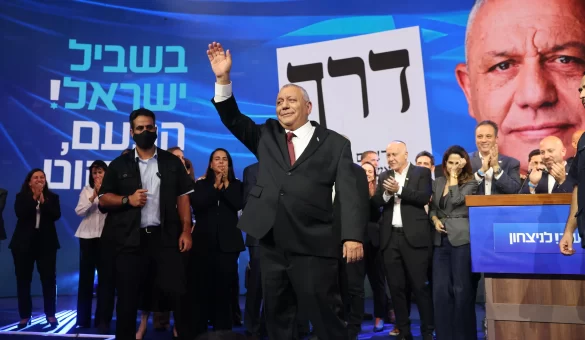
Eisenkot Says Netanyahu’s Bid to Challenge Israeli Election Results Has Failed
Fears of Renewed War
Tensions between Washington and Tehran have persisted since the United States and Israel launched a war against Iran in February. A ceasefire was reached in April, followed by renewed confrontations between the two sides in July.
The latest developments come amid warnings that Netanyahu could seek to persuade Washington to return to military action against Tehran.
In an article published on Sunday, Haaretz military analyst Amos Harel warned that Netanyahu might resort to military and political escalation to remain in power, using the Iranian issue and pressure surrounding the US midterm elections.
Harel also cautioned against attempts by Netanyahu to persuade Washington to resume military operations despite lacking a domestic mandate for another war.
Israeli Channel 12 reported on Sunday that Netanyahu had urged Trump during a telephone conversation to resume the war against Iran after the US midterm elections. The American president, however, reportedly preferred to give diplomacy another opportunity.
Netanyahu Faces Coalition Deadlock
The heightened security alert also comes amid political uncertainty in Israel following last week’s parliamentary elections.
Netanyahu’s bloc secured 53 seats in the 120-member Knesset, compared with 48 seats for opposition parties led by former army chief Gadi Eisenkot and 19 seats for Arab parties.
No political bloc secured the 61 seats required to form a government, leaving Israel facing a coalition deadlock.
The election results have complicated efforts to establish a governing coalition, particularly amid disagreements among opposition parties over whether to seek support from Arab political groups.
The political uncertainty adds another dimension to the regional security situation as Israel and the United States continue coordinating their military preparations amid concerns over a possible escalation with Iran.