Nvidia CEO Jensen Huang’s return to the leadership of the world’s most valuable semiconductor company has intensified political divisions in Washington over whether the United States should allow China to access advanced artificial intelligence (AI) chips. US President Donald Trump’s intervention helped secure Huang’s reinstatement, but lawmakers from both political parties are demanding tighter restrictions on semiconductor exports to Beijing, citing national security concerns.
The controversy has raised questions about the future of US-China technology relations, the global AI race and the role of American semiconductor companies in supplying advanced computing technology to international markets.
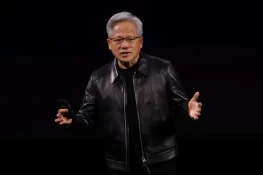
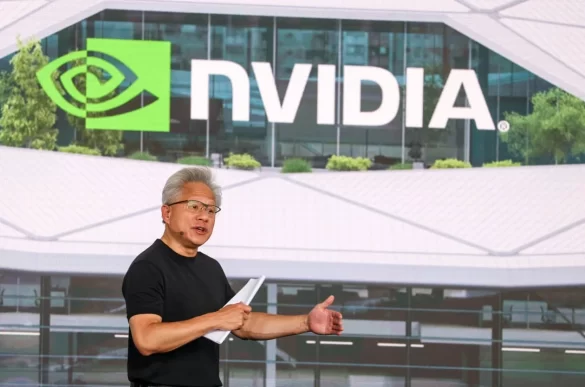
Trump’s Intervention Brings Huang Back to Nvidia
Nvidia reinstated Huang as its chief executive officer on November 23, following his resignation on November 12 amid revelations about alleged extramarital relationships, including one involving Alice Huang, a former executive at Singapore-based technology company Megaspeed.
The company had initially decided against bringing him back, citing concerns about his personal conduct and its code of conduct.
However, Trump intervened and urged Nvidia’s board to reinstate the technology executive, arguing that his leadership was important to the company’s future and America’s position in the global technology industry.
The decision received a positive response from investors but triggered criticism among several US lawmakers, who questioned whether the circumstances surrounding Huang’s departure and return raised broader national security concerns.
Huang’s reinstatement has also intensified scrutiny of Nvidia’s business relationships and the possible diversion of advanced American chips to China.
US Lawmakers Demand Tougher Restrictions on China
Republican and Democratic lawmakers have called for stronger measures to prevent China from obtaining advanced American semiconductor technology.
Senator Tom Cotton, chairman of the Senate Intelligence Committee, warned that China could acquire restricted chips through smuggling networks and remote access to computing facilities.
He argued that Huang’s return had not resolved the concerns surrounding Nvidia and Megaspeed.
Some lawmakers believe that allowing Chinese companies to purchase advanced Nvidia processors could strengthen Beijing’s artificial intelligence capabilities and undermine Washington’s technological advantage.
Others argue that restricting sales too heavily could encourage China to accelerate the development of its own semiconductor industry, reducing its dependence on American technology.
The disagreement reflects a broader debate over whether commercial access to US chips can help maintain American influence or create additional security risks.
Three Bills Target China’s Access to Advanced Chips
Three proposed pieces of legislation are moving through the US Congress to strengthen oversight of semiconductor exports.
The proposed AI Overwatch Act would give Congress greater authority over decisions involving exports of advanced artificial intelligence chips.
The Chip Security Act would require semiconductor companies to track the locations of advanced processors and report suspected diversions to unauthorised users.
Meanwhile, the MATCH Act seeks to pressure US allies into restricting exports of semiconductor manufacturing equipment to China.
If approved, these measures could significantly change the rules governing international semiconductor trade and make it more difficult for Chinese companies to obtain advanced American technology.
Technology policy experts have warned that additional restrictions could also provoke retaliation from Beijing and create further tensions between the two countries.
US Investigates Alice Huang and Singapore’s Megaspeed Over Nvidia Chip Sales
US Adds Megaspeed to Trade Blacklist
The US Commerce Department recently added Megaspeed and several affiliated companies to its trade blacklist, restricting their access to American technology.
The action followed concerns about the possible diversion of advanced Nvidia chips to Chinese users.
The company was previously led and controlled by Alice Huang, whose reported connections to Chinese intelligence have become part of the wider controversy surrounding Nvidia’s leadership.
US authorities have also tightened licensing requirements for advanced chip shipments to several countries, including Singapore, Malaysia, Thailand, Indonesia and Brazil.
The measures are intended to address potential routes through which restricted technology could reach Chinese companies.
Nvidia has also established a committee of independent directors to oversee export-control compliance and national security risks.
The company said it had stopped shipping previously licensed artificial intelligence chips to China, despite reporting $2.4 billion in sales of such products during its latest quarter.
Huang Faces Congressional Scrutiny
Huang is expected to face questions from US lawmakers at a Senate Banking Committee hearing scheduled for December 3.
The hearing is expected to examine export controls, semiconductor security and the broader implications of American technology reaching Chinese companies.
Senate Democratic leader Chuck Schumer has also pledged to investigate Huang, other Nvidia executives and the Trump administration when Democrats take control of Congress in January.
The growing political pressure suggests that Huang’s return may not end the controversy surrounding Nvidia’s China business.
Even with Trump’s support, the company could face additional regulatory scrutiny and restrictions on its international operations.
China Could Accelerate Its Domestic Chip Industry
The dispute also presents challenges for China’s technology ambitions.
Some US business leaders argue that allowing China to purchase advanced American processors would keep its technology companies dependent on US suppliers and discourage the development of competing domestic products.
However, Chinese policymakers have repeatedly emphasised the importance of semiconductor self-reliance.
Chinese state-backed media have also cautioned against interpreting Huang’s reinstatement as a sign that Washington will ease its restrictions on advanced chip exports.
Analysts believe further US restrictions could encourage Beijing to accelerate investment in domestic semiconductor manufacturers, including companies seeking to compete with Nvidia.
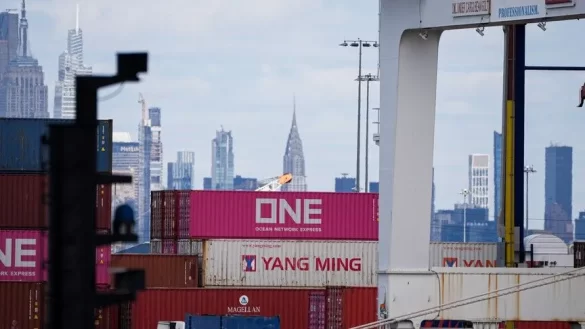
The situation could therefore have consequences beyond Nvidia, affecting global technology supply chains, international trade and the competition between the United States and China for leadership in artificial intelligence.
Source: Reuters, published by The Express Tribune, November 25, 2026.