An eight-year-old boy died after falling into an open sewer in Karachi’s Korangi area, officials confirmed on Tuesday. The incident has renewed concerns about uncovered drains, weak municipal oversight, and public safety risks across the city.
Child Dies While Playing Outside His Home
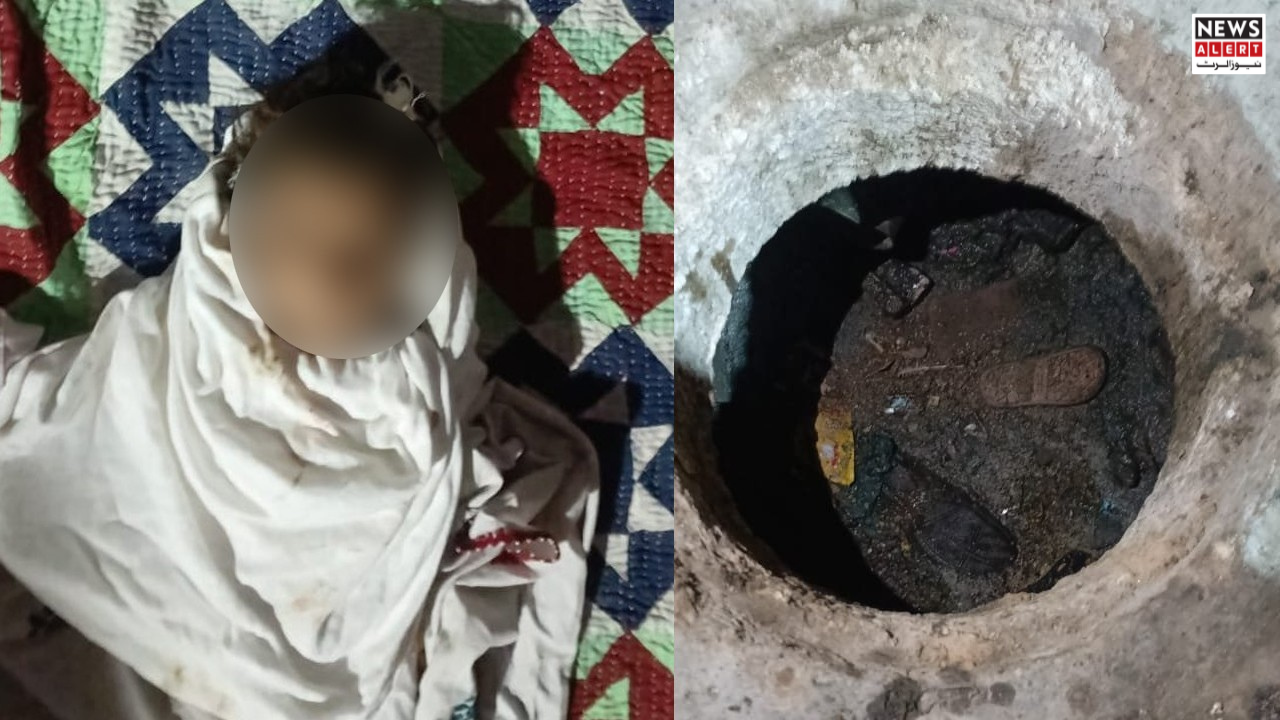
The child, identified as Dilbar, lived in Mehran Town, a neighbourhood in Korangi. According to police officials, he was playing outside his house when he slipped and fell into an open sewer.
Residents said the drain had no cover and lacked warning signs. The open sewer lay close to residential homes, where children often play due to the absence of safe recreational spaces.
Dilbar’s uncle rushed to the scene after hearing screams. He managed to pull the child out of the sewer. However, the boy had already died by that time.
Police Share Initial Findings
Police officers confirmed the child’s identity and said the incident occurred accidentally. They stated that no adult supervised the child when the fall happened.
Officers added that they have not registered a criminal case so far. They described the death as an accident caused by unsafe infrastructure. Police also informed the relevant municipal department about the uncovered sewer.
Authorities said they would compile a report and forward it to senior officials for further review.
Karachi Faces Repeated Child Deaths
This tragedy follows another similar incident earlier this month in Karachi. In Gulshan-e-Iqbal, a three-year-old boy fell into an open manhole near Nipa Chowrangi.
Rescue teams searched for the child for several hours. After 14 hours, they found his body nearly one kilometre away in a stormwater drain. The incident sparked outrage among residents and activists.
Despite public anger and media coverage, many residents say conditions remain unchanged.
Open Manholes Remain a Major Urban Hazard
Karachi, home to more than 20 million people, continues to struggle with poor infrastructure. Open manholes and broken drains appear in many areas, especially in low-income neighbourhoods.
During the monsoon season, rainwater often covers these openings. As a result, pedestrians and children fail to see the danger. Several people die each year after falling into uncovered drains, according to local media reports.
Children face greater risk because many play in streets rather than parks. Narrow roads, damaged pavements, and open sewage lines surround their homes.
Urban safety experts have repeatedly warned authorities about these dangers. They say simple measures, such as installing covers and placing barriers, can prevent deaths.
Residents Demand Action and Accountability
After the Korangi incident, residents expressed deep grief and frustration. Many blamed civic agencies for ignoring repeated complaints about open drains.
Social media users demanded strict action against officials responsible for sanitation and drainage. Several users shared images of uncovered manholes from different parts of the city.
Civil society organisations also criticised the lack of accountability. They argued that authorities often react only after tragedies occur. According to activists, routine inspections and timely repairs could save lives.
Authorities Face Growing Pressure
Municipal authorities often cite limited budgets and damaged infrastructure as major challenges. However, critics argue that public safety must remain a top priority.
In previous cases, courts have ordered local governments to fix roads and cover open drains. Yet enforcement remains weak, and many orders fail to translate into lasting change.
As Karachi mourns another young life, residents fear that more children remain at risk. Without immediate and sustained action, similar tragedies may continue to claim innocent lives.
The death of Dilbar has left his family and community in shock. At the same time, it has once again highlighted a harsh reality: preventable hazards still threaten daily life in Pakistan’s largest city.