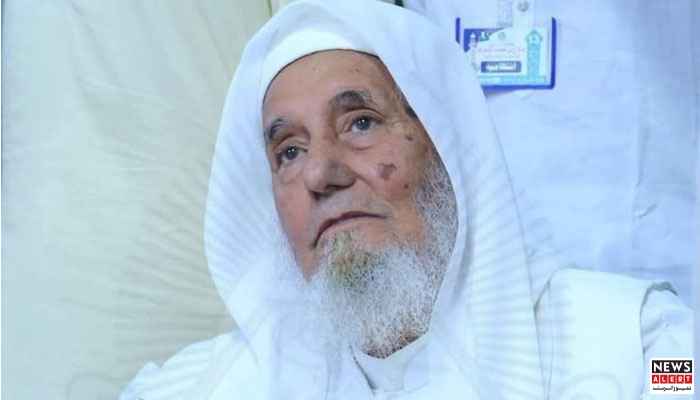
Pakistan’s religious and academic communities are mourning the death of Maulana Fazlur Rahim Ashrafi, a highly respected Islamic scholar who dedicated his life to teaching, scholarship, and moral guidance. His passing has prompted widespread grief, as scholars, politicians, and ordinary citizens reflect on his decades-long service to Islamic education.
Also Read: Sheikh Bashir Ahmad Siddiq, Esteemed Quran Teacher at Prophet’s Mosque, Passes Away
Throughout his life, Maulana Ashrafi remained closely associated with Pakistan’s leading religious institutions. As a result, his influence reached far beyond Lahore and extended across the country and overseas.
A Scholar Who Shaped Generations
Maulana Fazlur Rahim Ashrafi served as the Patron-in-Chief of Jamia Ashrafia Lahore, one of Pakistan’s most prominent Islamic seminaries. In addition, he acted as a senior patron of Wafaq ul Madaris Al-Arabia Pakistan, the largest umbrella organisation overseeing religious seminaries in the country.
Over the years, he also taught as Sheikh-ul-Hadith at Jamia Ashrafia and previously led the institution as its Mohtamim, or chief administrator. Through these roles, he directly educated thousands of students. Consequently, many of his pupils later emerged as respected scholars, teachers, and religious leaders.
Jamia Ashrafia holds a central place in Pakistan’s religious education system. Meanwhile, Wafaq ul Madaris supervises thousands of madrasas nationwide, educating millions of students. Therefore, Maulana Ashrafi played a critical role in shaping Islamic scholarship and religious thought across Pakistan.
Funeral Prayer Draws Large Crowd
The funeral prayer of Maulana Fazlur Rahim Ashrafi took place on Saturday after the Zuhr prayer at Jamia Ashrafia in Lahore. A large crowd gathered to offer prayers, reflecting his wide respect and deep personal connections.
Religious scholars, senior clerics, government officials, and social figures attended the funeral. Moreover, members of the public arrived in large numbers to pay their final respects. Observers noted that the turnout highlighted his enduring influence on religious and public life.
Authorities arranged special security measures to manage the crowd. At the same time, traffic around the seminary remained under strict control to ensure smooth proceedings.
Condolences from Across the Political Spectrum
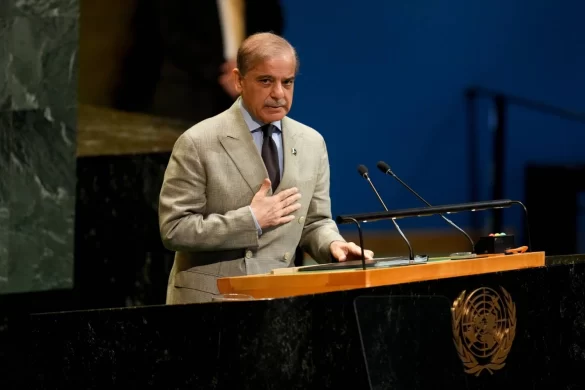
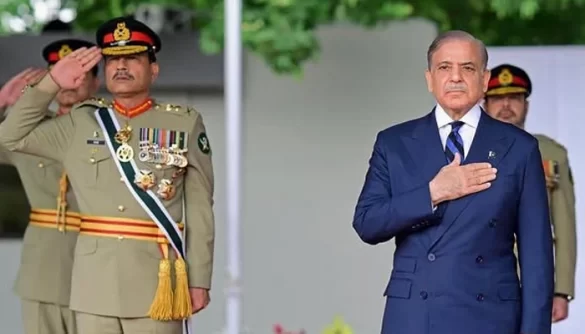
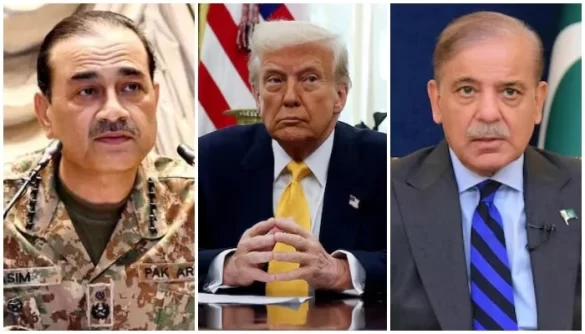
Soon after the news of his death emerged, messages of condolence poured in from political and religious leaders. Prime Minister Shehbaz Sharif expressed deep sorrow and praised Maulana Ashrafi’s lifelong commitment to religious education.
Federal Minister Ahsan Iqbal, Punjab Chief Minister Maryam Nawaz, and former federal minister Khawaja Saad Rafique also conveyed their grief. Similarly, leading religious figures issued heartfelt statements.
These included Maulana Fazlur Rehman, head of Jamiat Ulema-e-Islam, and Hafiz Naeem ur Rehman, leader of Jamaat-e-Islami. In addition, many social and community leaders highlighted his role as a unifying and guiding force.
In his statement, Prime Minister Shehbaz Sharif described Maulana Ashrafi as a distinguished Islamic scholar and an eminent expert of Hadith. He said Maulana Ashrafi devoted his entire life to the teaching of the Quran and Sunnah. Furthermore, he emphasised that his work strengthened moral values and ethical training within society.
Enduring Influence and Legacy
Beyond his official titles, Maulana Fazlur Rahim Ashrafi earned respect for his humility, discipline, and scholarly integrity. He consistently promoted unity, patience, and moral responsibility in his speeches and lessons. As a result, his guidance resonated with people from different backgrounds.
His students now serve in mosques, seminaries, and educational institutions across Pakistan and abroad. Therefore, his intellectual and spiritual legacy continues through their work.
Although his death leaves a significant void in Pakistan’s religious landscape, his teachings remain alive. Ultimately, generations of scholars and students will continue to draw inspiration from his life, scholarship, and unwavering dedication to Islamic education.