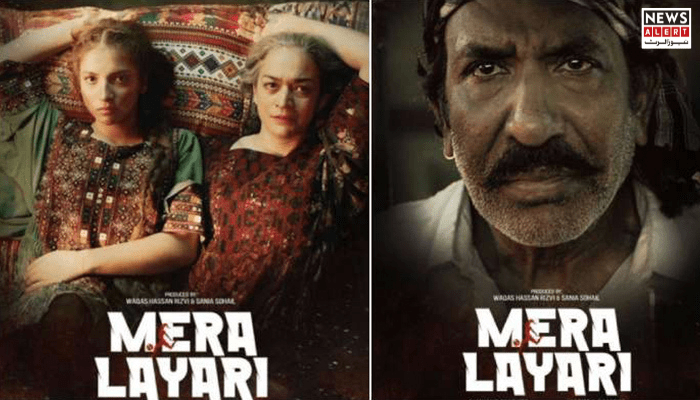
Pakistan plans to release a new film, Mera Lyari, in response to the Indian movie Dhurandhar, which critics say presents a negative image of Lyari, a historic neighborhood in Karachi. This move comes amid ongoing cultural and political tensions between the two countries, where films often shape public perception.
Sindh Government Backs Film Production
The Sindh provincial government has actively supported the making of Mera Lyari. Officials coordinated logistics and helped with promotions. The movie is scheduled to release in the first week of January.
Also Read: Dhurandhar Sparks Outrage Over Misrepresentation of Karachi and Baloch Culture
Sharjeel Memon, Sindh’s provincial minister, said the film will reach international audiences. India cannot turn defeat into victory through cinema, Memon added, emphasizing the film’s role as a response to Dhurandhar.
Lyari: Beyond Violence
Memon criticized Dhurandhar for spreading propaganda against Pakistan, especially targeting Lyari. Lyari does not symbolize violence,” he said. “It represents culture, peace, talent, and resilience.
He explained that Mera Lyari will reveal the neighborhood’s real face. The movie will focus on local culture, social initiatives, and daily achievements, offering a more accurate portrayal than foreign films often provide.
Highlighting Peace, Prosperity, and Local Talent
Mera Lyari aims to showcase stories of local heroes, cultural festivals, and educational projects. Filmmakers intend to give viewers, both in Pakistan and abroad, a clear picture of Lyari as a place of pride and potential.
This approach reflects a larger trend in Pakistan’s film industry, which increasingly challenges stereotypes and presents authentic narratives. By planning international distribution, the producers hope to reach a wide audience and counter one-sided foreign portrayals.
Context: Indian Film Dhurandhar
The Indian movie Dhurandhar, released recently, stars actors such as Ranveer Singh, Akshay Khanna, A.R. Madhavan, Arjun Rampal, and Sanjay Dutt. Critics in Pakistan label the film as propaganda, claiming it distorts Lyari’s image and exaggerates negative stereotypes.
Cinema has long been a tool for storytelling and influence. In regions with tense political relations, films can shape opinions and narratives. Pakistan’s response with Mera Lyari highlights the role of cultural production as soft power.
Looking Ahead
Mera Lyari is expected to spark discussion both in Pakistan and internationally. By focusing on Lyari’s culture, community spirit, and resilience, the film provides a counter-narrative to negative portrayals.
The film aims to foster local pride while challenging external stereotypes. In a broader context, it shows that neighborhoods often depicted as centers of violence also host rich histories, talented people, and vibrant communities.
As tensions between India and Pakistan continue across multiple spheres, Mera Lyari represents an effort to reclaim and redefine a community’s image through cinema. For global audiences, it reminds viewers that places like Lyari are more than the headlines—they are living, thriving communities.