ISLAMABAD: The government has said that oil refineries have agreed to share a financial burden of Rs15 billion, allowing authorities to defer a proposed Rs15-per-litre increase in petroleum prices and provide relief to consumers amid ongoing geopolitical tensions.
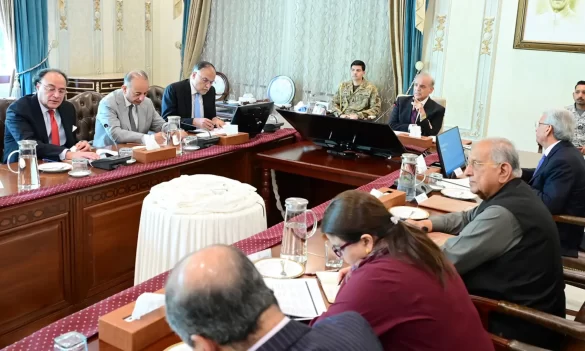
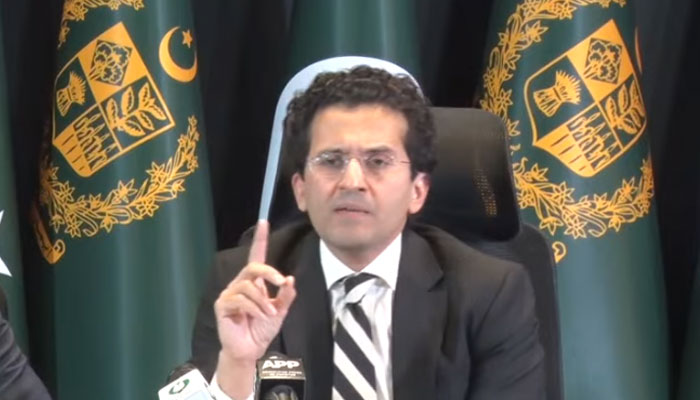
Petroleum Minister Ali Pervaiz Malik made the announcement during a press conference alongside Information Minister Attaullah Tarar on Monday.
Malik said international petroleum markets were experiencing an upward trend due to regional tensions, with spot market prices and Platts rates showing considerable fluctuations. He added that domestic fuel prices were influenced by several other factors as well.
“A Rs15-per-litre increase in petroleum prices had been due to take effect from Friday, but oil refineries cooperated with the government to defer the impact on consumers by sharing a financial burden of Rs15 billion,” the petroleum minister said.
Rising Import Costs
Malik stressed that the government did not want to create hardship for any stakeholder and was seeking to manage the international crisis through a transparent process.
He explained that transportation and logistics costs had increased significantly, adding to the cost of importing petroleum products.
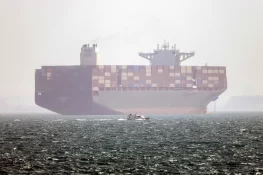
“Logistics have a cost. A very large crude carrier that was once available for a few hundreds of thousands of dollars is now rarely available for even a million dollars,” he said.
The minister added that insurance costs had also risen substantially, creating further challenges for petroleum imports.
He said several Pakistan State Oil (PSO) tenders had reflected unusually high premiums, highlighting the pressure on fuel procurement costs.
Pakistan’s crude oil imports surge 62% in August amid supply concerns
PSO Tender Premiums Increase
Discussing the impact of rising international costs on procurement, Malik said the premium on PSO tenders had increased by around $10 to $20.
He said the government was trying to improve procurement operations by optimising costs, but the difficult regional situation was affecting these efforts.
The impact was also reflected in the petroleum pricing mechanism outlined before October 31, which included a premium of $20, he added.
Government’s Relief Measures
Malik said Prime Minister Shehbaz Sharif’s government was providing relief to consumers according to its available resources.
He referred to the targeted fuel relief scheme, which was designed to benefit 13 million people, and said the government had taken several other measures to reduce the financial burden on the public.
The petroleum minister maintained that authorities were working to manage the impact of international price fluctuations while balancing the interests of consumers and other stakeholders.
The agreement with oil refineries is expected to defer the immediate impact of the proposed Rs15-per-litre increase. However, continued volatility in international petroleum markets, along with higher shipping, insurance and procurement costs, remains a challenge for Pakistan’s fuel pricing outlook.