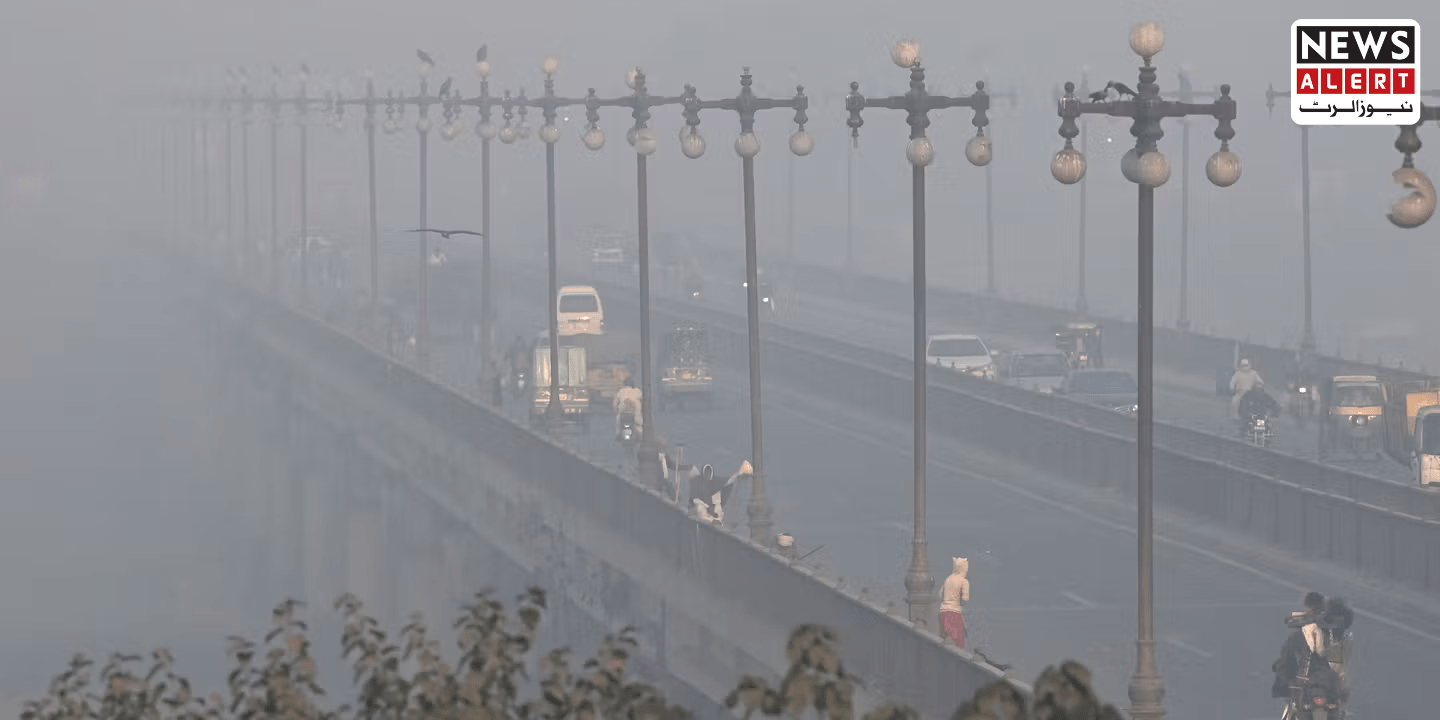
Pakistan is grappling with an escalating air pollution crisis as several major cities record dangerously high smog levels. Lahore has once again ranked among the world’s most polluted cities, while other urban centres report equally alarming conditions. Recent environmental data highlights the growing scale of the problem and its direct impact on daily life.
Health experts, environmentalists, and government officials warn that the situation demands urgent attention. They caution that delays in action could expose millions of people to serious and long-term health risks.
Lahore returns to the top of pollution rankings
According to the latest figures from an international environmental monitoring website, Lahore recorded an Air Quality Index (AQI) of 342. This reading places the city firmly in the hazardous category under global air quality standards. At this level, polluted air poses risks even to healthy individuals.
Also Read: Lahore Ranks Second Among World’s Most Polluted Cities as Air Quality Worsens
Lahore frequently appears on global pollution rankings during winter. Seasonal smog, heavy traffic emissions, and industrial activity combine to trap pollutants over the city. Calm winds and low temperatures further worsen the situation.
As a result, residents experience breathing difficulties, eye irritation, and throat infections. Hospitals and clinics report a noticeable rise in patients with respiratory complaints. Many citizens also struggle with reduced visibility, which affects transport and routine activities.
Peshawar records the most dangerous air in Pakistan
While Lahore draws international attention, Peshawar currently faces even worse conditions. Global environmental data shows the city’s AQI reaching 435, the highest in the country. This figure exceeds the hazardous threshold by a wide margin.
Such extreme pollution levels can trigger severe respiratory illness and worsen heart disease. Doctors warn that extended exposure may cause long-term damage to the lungs. Under these conditions, experts advise people to avoid outdoor activity entirely.
Children and older adults remain especially vulnerable. Their bodies cannot cope easily with toxic air, which increases the risk of hospitalisation.
Faisalabad and other cities face unhealthy conditions
Air pollution affects far more than Pakistan’s largest cities. Faisalabad recorded an AQI of 278, placing it in the “very unhealthy” category. Residents there report dense smog and poor visibility, especially during early morning and evening hours.
Data from the Punjab Environmental Protection Department shows that other cities also face troubling conditions. Narowal recorded an AQI of 279, Sheikhupura 251, and Khanewal 236. These readings still fall within harmful ranges.
In these areas, smog and fog disrupt daily routines. Schools, outdoor labour, and transport services all suffer as air quality continues to decline.
Key factors driving the pollution crisis
Environmental specialists identify several causes behind the worsening air quality. Vehicle emissions remain one of the biggest contributors, particularly in overcrowded cities with limited public transport. Industrial pollution adds to the burden, especially where factories operate without strict emissions controls.
Farmers burning crop residues during winter also release large amounts of smoke into the atmosphere. Weather conditions then trap these pollutants close to the ground. Climate change has intensified the problem by altering seasonal patterns and extending dry periods.
Together, these factors create prolonged smog episodes that are becoming more frequent each year.
Health advisories and urgent warnings
Health authorities urge citizens to take precautionary measures immediately. Officials advise children, elderly people, and patients with heart or lung conditions to stay indoors as much as possible. They also recommend wearing masks when going outside.
Authorities ask the public to avoid unnecessary outdoor activities and reduce exposure to polluted air. At the same time, experts call for decisive policy action. They stress the need for cleaner transport, stricter industrial regulations, and cooperation across regions to address shared pollution sources.
Without swift and sustained efforts, specialists warn that Pakistan’s air pollution crisis will continue to intensify. For millions living in urban areas, clean and breathable air is rapidly becoming a luxury rather than a basic necessity.