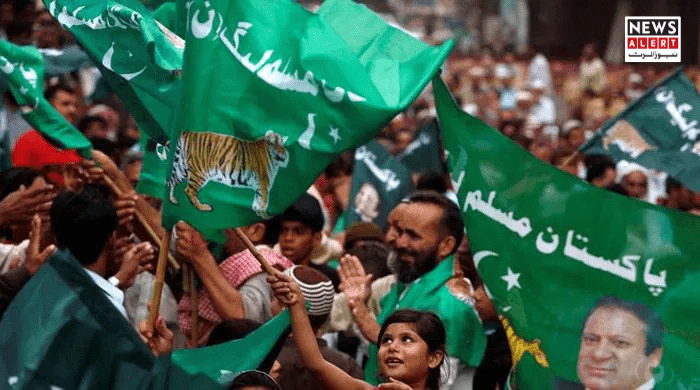
In Pakistan’s recent by-elections, the Pakistan Muslim League-Nawaz (PML-N) achieved a major victory. For insights into the election campaigns and voter trends ahead of the polls, see Pakistan’s By-Election Campaign Ends Ahead of Voting Tomorrow. Specifically, the party won all six contested National Assembly seats and six of seven Punjab Assembly seats. Meanwhile, most of these constituencies had been vacated by the Pakistan Tehreek-e-Insaf (PTI). As a result, PML-N candidates gained a clear advantage. On the other hand, the Pakistan Peoples Party (PPP) managed to secure one provincial seat.
National Assembly Results: PML-N Shows Strength
The by-elections allowed PML-N to strengthen its national presence. Notable victories included:
NA-18 Haripur – A Major Upset
PML-N’s Babar Nawaz Khan won a landslide with 163,996 votes. He defeated PTI-backed Shahnaz Umar Ayub, who gained 120,220 votes. This seat had been vacated after former leader Umar Ayub Khan’s disqualification. Consequently, analysts viewed the outcome as a strong display of PML-N’s influence in Khyber Pakhtunkhwa.
NA-129 Lahore
In Lahore, Hafiz Mian Muhammad Nauman of PML-N secured 63,441 votes. In contrast, PTI-supported independent candidate Arsalan Ahmed received 29,099 votes. The constituency became vacant following the death of Mian Azhar.
NA-185 Dera Ghazi Khan
PML-N candidate Mahmood Qadir Khan won 82,416 votes. Meanwhile, PPP’s Dost Muhammad Khosa received 49,262 votes. The seat became available after Zartaj Gul’s disqualification.
NA-143 Sahiwal
Mohammad Tufail Jutt of PML-N claimed 136,223 votes. By comparison, independent candidate Zarar Akbar Chaudhry gained only 13,220 votes.
NA-104 Faisalabad
Daniyal Ahmed of PML-N secured 52,791 votes. Similarly, he defeated independent Rana Adnan Javed, who received 19,262 votes.
NA-96 Faisalabad
Bilal Badr Chaudhry, PML-N and brother of Federal Minister Talal Chaudhry, won 93,009 votes. According to final polling station results, he led by a wide margin.
Punjab Assembly Results: PML-N Dominates, PPP Secures One Seat
PML-N also performed strongly in Punjab’s provincial by-elections, winning six out of seven contested seats. Notably:
PP-87 Mianwali
Ali Haider Noor Khan Niazi of PML-N gained 67,986 votes. Meanwhile, independent candidate Ayaz Khan Niazi received only 3,310 votes.
PP-98 Faisalabad
Independent Ali Tabassum won 44,388 votes. In comparison, Muhammad Ajmal obtained 35,245 votes.
PP-115 Faisalabad
PML-N’s Mohammad Tahir Parvez secured 49,049 votes. By contrast, independent Mohammad Asghar earned 18,098 votes.
PP-116 Faisalabad
Ahmed Shaharyar, son-in-law of Prime Minister’s advisor Rana Sanaullah, won 48,824 votes. He defeated independent Asghar Ali Qaiser, who gained 11,429 votes.
PP-203 Sahiwal
Mohammad Hanif of PML-N won 46,900 votes. Meanwhile, independent Falak Sher received 10,895 votes.
PP-73 Sargodha
PML-N’s Sultan Ali Ranjha secured 71,770 votes. In contrast, independent Mehr Mohsin Raza received 12,970 votes.
PP-269 Muzaffargarh – PPP’s Sole Win
PPP candidate Mian Alamdar Abbas Qureshi won 55,611 votes. This was the only provincial seat PPP captured in these by-elections.
Implications of the Results
Overall, these by-elections reinforced PML-N’s position nationally and in Punjab. Moreover, most constituencies vacated by PTI went to PML-N. As a result, observers suggest these victories indicate the party’s strong voter mobilization capabilities.
PPP’s win in Muzaffargarh shows it retains influence in southern Punjab. Conversely, PML-N dominated other regions. Furthermore, voter turnout varied across constituencies, but remained significant in urban centers such as Faisalabad and Lahore.
Political analysts argue the results could shape party strategies and alliances before the next general elections. In addition, the outcomes highlight a shift in voter sentiment in areas previously held by PTI.
Ultimately, PML-N’s strong performance emphasizes its resilience and organizational strength. Consequently, the party has reshaped the political landscape and demonstrated its ability to capitalize on PTI’s strategic withdrawals.