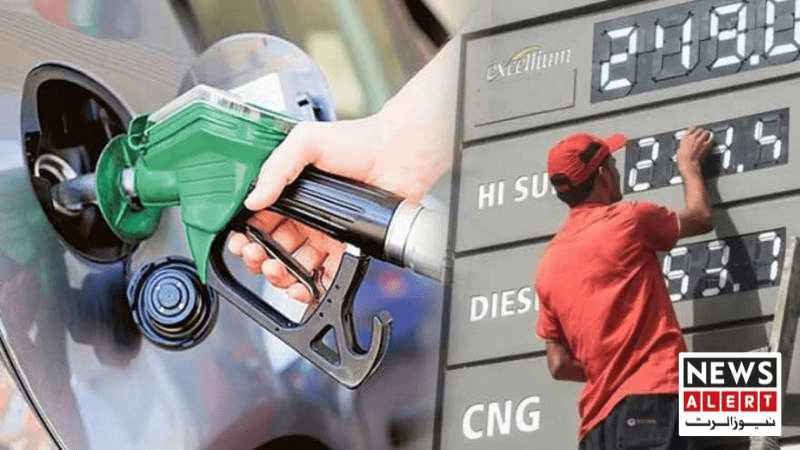
Pakistan’s federal government has announced revised fuel prices for the next 15 days, offering limited relief to consumers by reducing diesel prices while keeping petrol rates unchanged. The Ministry of Energy issued an official notification, and the new prices took effect immediately.
Fuel prices remain a sensitive issue in Pakistan, as they directly affect inflation, transport costs, and daily household expenses. The latest adjustment reflects the government’s effort to balance public relief with global market pressures and fiscal constraints.
Diesel Price Reduction Brings Sector-Specific Relief
The government has reduced the price of high-speed diesel by Rs14 per liter. After the cut, diesel now costs Rs265.65 per liter.
Also Read: Petrol Price Hike in Pakistan – Government Policies Explained
This reduction is especially important for the transport and agriculture sectors. Trucks, buses, tractors, and tube wells rely heavily on diesel. Any change in diesel prices quickly affects freight charges and farming costs.
Lower diesel prices can help reduce the cost of moving goods across the country. As a result, food prices may stabilize in some regions. Farmers may also benefit from reduced fuel expenses during planting and harvesting seasons.
Economists often link diesel prices with overall inflation. When diesel becomes cheaper, transporters face lower operating costs. This change can ease price pressure on essential commodities, though the impact may take time to appear.
Petrol Prices Hold Steady for Urban Consumers
Unlike diesel, petrol prices remain unchanged. The government has kept the price of petrol at Rs263.45 per litre.
Petrol mainly serves private cars, motorcycles, and small vehicles. Urban commuters depend on it for daily travel. By keeping petrol prices stable, the government aims to avoid sudden cost increases for city residents.
Officials say they reviewed global oil trends before making the decision. International crude prices have shown frequent ups and downs in recent weeks. Exchange rate movements also played a role in the final pricing decision.
The government believes price stability can provide predictability for consumers, even when it cannot offer a reduction.
Fortnightly Review Mechanism Remains in Place
The revised fuel prices apply immediately and will remain valid for the next 15 days.
Pakistan follows a fortnightly fuel pricing system. Authorities review global oil prices, import costs, and the rupee’s exchange rate every two weeks. The Oil and Gas Regulatory Authority prepares recommendations, while the federal government gives final approval.
This system allows the government to adjust prices in line with international markets. At the same time, it limits sudden shocks for consumers and businesses.
However, frequent reviews also mean uncertainty. Households and transport operators often wait anxiously for each new announcement.
Inflation Concerns Continue Despite Relief
Fuel prices strongly influence inflation in Pakistan. Transport costs affect food prices, manufacturing expenses, and service charges. Over recent years, rising fuel prices have contributed to record inflation levels.
The diesel price cut may help slow inflation in some areas. Transporters could face lower fuel bills. Farmers may reduce production costs. These factors can support price stability in the medium term.
Still, analysts warn that fuel prices alone cannot control inflation. Electricity tariffs, taxes, and food supply issues also play major roles. Without broader reforms, relief from fuel cuts may remain limited.
Public Reaction Remains Mixed
Public response to the announcement shows clear divisions. Many citizens welcomed the diesel price reduction and expressed hope for lower transport fares. Some expect reduced prices of vegetables and other essentials.
However, many urban residents voiced disappointment over unchanged petrol prices. Motorcyclists and daily commuters continue to struggle with high fuel expenses.
Despite mixed reactions, experts say the government faces limited options. Global energy prices remain uncertain, and economic pressures persist at home.
As international oil markets continue to fluctuate, further changes in fuel prices seem likely. For now, consumers and businesses will closely watch the next review, hoping for broader relief in the weeks ahead.