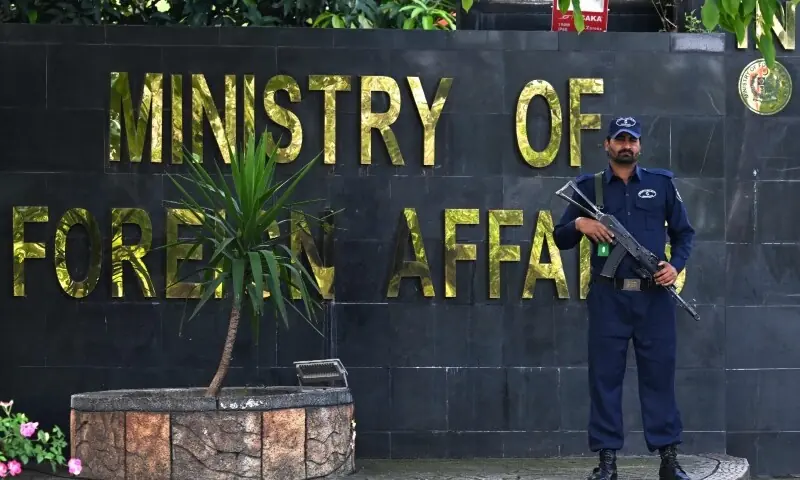
Pakistan on Monday rejected what it described as baseless allegations by the Afghan Taliban regarding civilian casualties resulting from Pakistani counterterrorism operations, reaffirming its right to defend its sovereignty and protect its citizens against terrorism originating from Afghanistan.
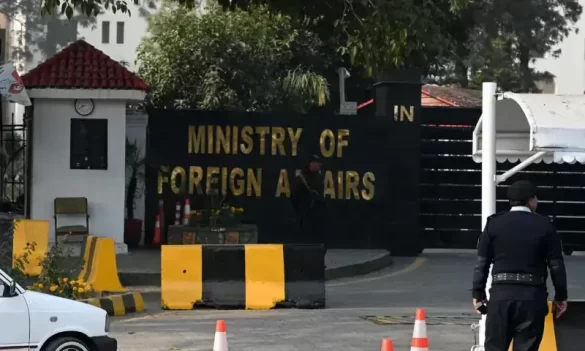
In a statement posted on X, Pakistan’s Foreign Office (FO) said disinformation and misleading narratives would not conceal the threat posed by terrorist networks operating from Afghan territory or absolve the Afghan Taliban of its responsibility to prevent cross-border attacks.
The FO stated that attacks originating from Afghanistan had resulted in more than 3,500 casualties in Pakistan in 2026 alone.
Pakistan Calls for International Action
The Foreign Office urged the international community to hold the Afghan Taliban accountable for what it described as a failure to meet obligations under relevant United Nations Security Council resolutions and other commitments concerning the prevention of terrorism.
Citing reports by relevant UN mechanisms, including the Monitoring Team, the FO said the Taliban administration continued to shelter numerous terrorist organisations.
The groups identified in the statement included Tehreek-e-Taliban Pakistan (TTP), Fitna al-Khawarij, the Balochistan Liberation Army (BLA) and Fitna al-Hindustan, along with their affiliates.
Pakistan said these organisations posed a serious threat to regional and international peace and stability.
The statement also alleged that thousands of Pakistanis had been killed in terrorist attacks planned, financed, supported or carried out from Afghan territory, with the involvement or facilitation of the Afghan Taliban administration.
“No responsible state can remain passive when its civilians and security forces are repeatedly targeted,” the FO said.
The Afghan Taliban have previously denied accusations that Afghan territory is being used by militants to launch attacks against Pakistan, describing the issue as Pakistan’s internal security problem.
Islamabad Defends Counterterrorism Operations
Pakistan maintained that its actions against terrorist targets in Afghanistan were undertaken in exercise of its right to self-defence and in accordance with the principles of necessity and last resort.
The FO said the operations had been directed exclusively against terrorists and their logistical support bases in Afghanistan.
It further maintained that Pakistan’s response had been proportionate to the threat and had adhered to the principles of distinction and precaution.
According to the statement, the scale and scope of the operations reflected restraint despite the frequency and severity of attacks faced by Pakistan.
The FO rejected suggestions that Pakistan’s actions had been directed against civilians, reiterating Islamabad’s position that its priority remained the protection of its citizens, security forces and territorial integrity.
Pakistan says 22 militants killed in strikes on Afghan terror hideouts
Cross-Border Clashes and Military Operations
Relations between Pakistan and Afghanistan have deteriorated amid repeated border clashes and Islamabad’s allegations that militants use Afghan territory to carry out attacks inside Pakistan.
Pakistan launched Operation Ghazab Lil Haq following renewed fighting along the border in late February. The escalation came after Afghan Taliban forces opened fire at multiple locations, prompting a military response from Pakistan.
The fighting intensified after Afghanistan launched a border offensive in response to Pakistani airstrikes targeting alleged terrorist positions.
The two sides subsequently agreed to a week-long ceasefire ahead of Eidul Fitr on March 18, following requests from Turkiye, Saudi Arabia and Qatar.
However, the underlying security dispute has remained unresolved.
Pakistan Maintains Three Key Demands
During peace talks in Urumqi, China, in April, Pakistan presented three core demands to the Afghan Taliban, according to the supplied report.
These included formally declaring the TTP a terrorist organisation, dismantling its infrastructure and providing verifiable evidence that the required action had been taken.
The demands remain central to Pakistan’s negotiating position as Islamabad continues to press Kabul to prevent militant groups from using Afghan territory to attack Pakistan.
Pakistan’s latest statement signals that Islamabad intends to maintain pressure on the Afghan Taliban over cross-border militancy while defending its military operations as necessary measures to protect national security.