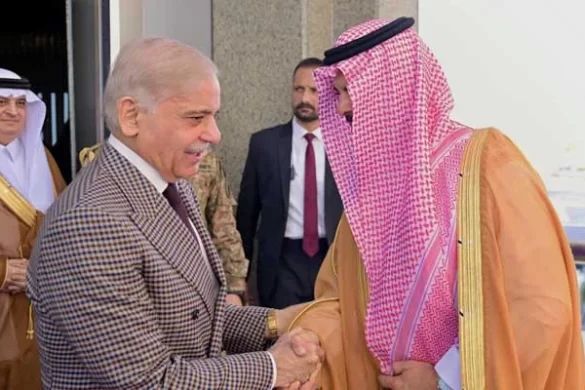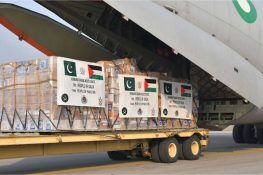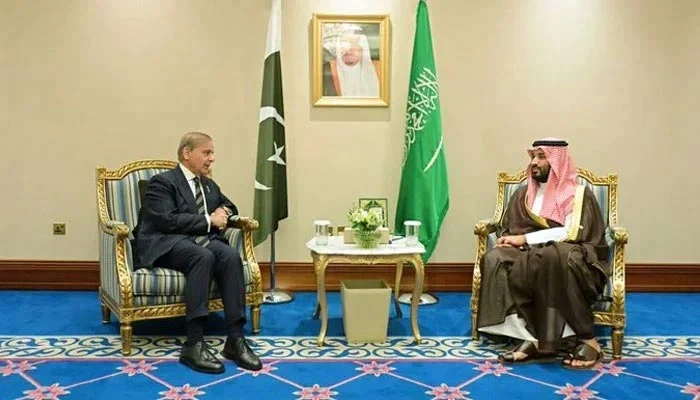
PM Shehbaz Sharif and Saudi Crown Prince Mohammed bin Salman agree to strengthen cooperation for regional peace, security, and safe maritime trade following Houthi attacks in the Red Sea.
Pakistan and Saudi Arabia have agreed to work closely to maintain regional peace, security, and the uninterrupted flow of maritime trade following recent Houthi attacks on Saudi oil tankers in the Red Sea. The understanding was reached during a telephone conversation between Prime Minister Shehbaz Sharif and Saudi Crown Prince and Prime Minister Mohammed bin Salman.
PM Shehbaz Condemns Houthi Attacks
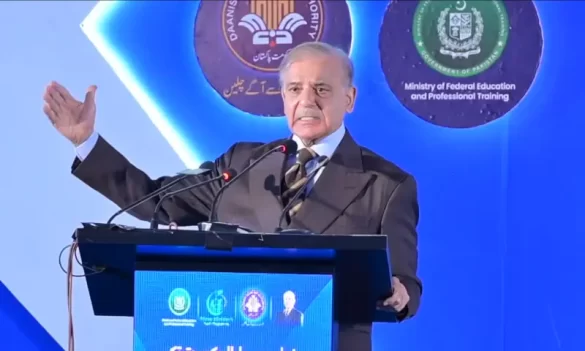
During the call, Prime Minister Shehbaz Sharif strongly condemned the Houthi attacks on Saudi oil tankers, describing them as unacceptable violations of international law. He said such attacks threaten freedom of navigation, undermine regional stability, and put global trade routes at risk.
The premier reaffirmed Pakistan’s complete solidarity with Saudi Arabia during what he described as a critical period. He also conveyed that Chief of Army Staff and Chief of Defence Forces Field Marshal Syed Asim Munir, along with the people of Pakistan, stand firmly with the Saudi leadership and its people.
Houthis Claim Responsibility
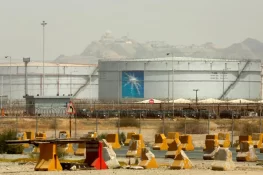
The conversation came after Yemen’s Iran-backed Houthi movement claimed responsibility for missile and drone attacks targeting two Saudi oil tankers, Encelia and Layla, in the Red Sea. The group also threatened to impose a naval blockade on Saudi ports located along the strategic waterway.
Saudi authorities confirmed that the tanker Encelia had been struck, although they did not comment on reports regarding the second vessel.
Meanwhile, the United Kingdom Maritime Trade Operations (UKMTO) reported that the master of a commercial tanker informed authorities that an unknown projectile had hit the vessel approximately 70 nautical miles southwest of Al Shuqaiq, causing a fire that the crew worked to contain.
Houthis Announce Saudi Naval Blockade
Concerns Over Regional Security
The latest developments have raised concerns that the conflict could expand further, especially amid ongoing tensions involving the United States and Iran. Analysts warn that any disruption in the Red Sea could have significant consequences for global energy markets because the route is one of the world’s busiest maritime trade corridors.
The Houthi threat to block Saudi ports has also created uncertainty over Riyadh’s ability to bypass the Strait of Hormuz for some of its oil exports, potentially affecting international oil supplies.
Pakistan and Saudi Arabia Agree on Continued Cooperation
According to the Prime Minister’s Office, Prime Minister Shehbaz Sharif and Crown Prince Mohammed bin Salman agreed to continue working closely to preserve regional peace, stability, and the uninterrupted movement of lawful commercial shipping through the Red Sea, the Strait of Hormuz, and surrounding waters.
Both leaders emphasized the importance of maintaining secure international shipping lanes, which are vital for global trade and energy supplies.
Pakistan Reiterates Support for Saudi Arabia
A day before the leaders’ conversation, Pakistan’s Foreign Office had already issued a strong statement condemning Houthi threats against Saudi Arabia and commercial shipping.
The Foreign Office stated that attacks or threats against commercial vessels violate international law, undermine the rules-based maritime order, and jeopardize the free flow of global commerce. Pakistan also expressed concern over attempts to target ships engaged in lawful trade with Saudi Arabia.
The statement reaffirmed Pakistan’s unwavering support for Saudi Arabia’s sovereignty, territorial integrity, and security while calling on all parties to exercise restraint, respect international law, and pursue dialogue to reduce regional tensions.