Pakistan has urged the Afghan Taliban authorities to take “decisive action” against terrorist groups operating from Afghan territory, expressing concern over alleged links between the Taliban administration and organisations accused of carrying out attacks in Pakistan.
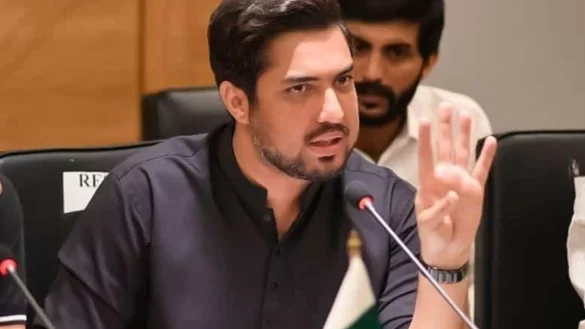
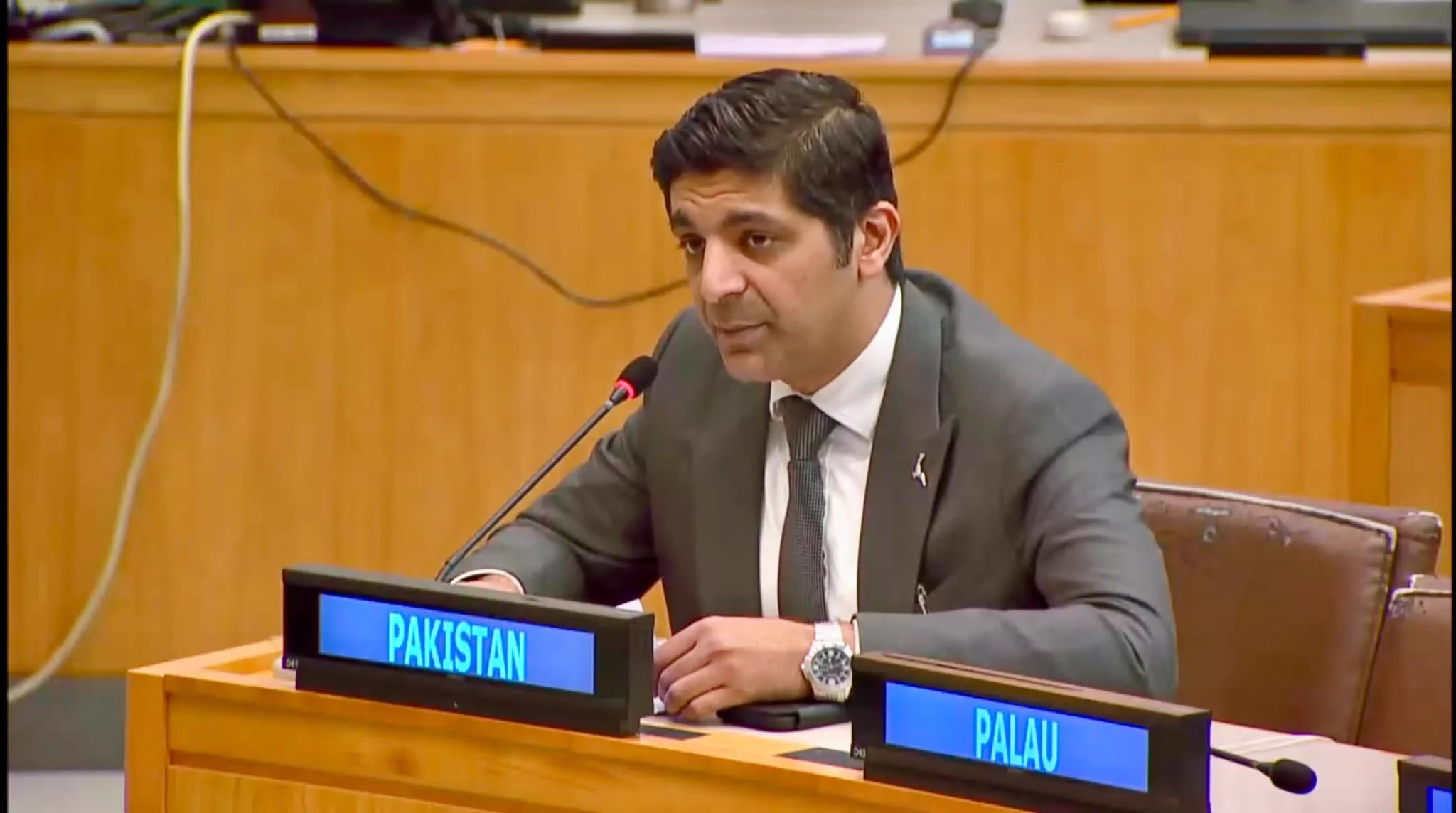
The concerns were raised by Counsellor Muhammad Jawad Ajmal during an interactive dialogue with the UN Special Rapporteur on the human rights situation in Afghanistan at the Third Committee of the UN General Assembly, according to a statement from Pakistan’s Permanent Mission to the United Nations.
Ajmal said terrorism remained at the heart of Afghanistan’s challenges and highlighted the activities of several militant organisations operating from Afghan territory.
Terrorism Concerns
Ajmal expressed concern over the presence and activities of the Tehreek-e-Taliban Pakistan (TTP), the Balochistan Liberation Army (BLA), the Majeed Brigade, Islamic State Khorasan Province (IS-K) and the East Turkestan Islamic Movement (ETIM), along with their affiliates.
He also highlighted what Pakistan described as links between the Afghan Taliban authorities and these groups, as well as the alleged involvement of external actors supporting groups targeting Pakistan and neighbouring countries.
Ajmal said the Taliban’s failure to publicly condemn these organisations raised serious questions about their alleged complicity and support.
Relations between Pakistan and Afghanistan have deteriorated amid recurring cross-border attacks and security concerns. Islamabad has repeatedly called on the Afghan Taliban administration to prevent militant groups, particularly the TTP, from using Afghan territory to launch attacks inside Pakistan.
Civilian Casualties
According to the Pakistani statement, Ajmal said more than 4,700 Pakistanis had been killed in terrorist attacks originating from Afghan territory over the preceding three years.
Referring to Pakistan’s actions on March 16, he said the country had targeted military installations and infrastructure allegedly used by the TTP, including drone and ammunition storage facilities.
Ajmal maintained that Pakistan could not remain passive in the face of continued attacks on its citizens and national security.
He said Islamabad would exercise its right to self-defence when necessary and in accordance with international law against threats to its people and national security.
Pakistan, EU Agree to Strengthen Counterterrorism Cooperation and Tackle Online Radicalisation
Rights of Afghan Women
Ajmal also criticised restrictions imposed on women and girls in Afghanistan, highlighting what he described as the denial of fundamental freedoms and basic dignity.
He called on the Afghan Taliban authorities to lift restrictions on women and girls, arguing that discriminatory practices were inconsistent with Islamic principles and the fundamental teachings of the Muslim faith.
The Pakistani representative also referred to the Organisation of Islamic Cooperation’s Ministerial Conference on Women, hosted by Pakistan in Islamabad in July. According to the statement, the conference adopted the Islamabad Declaration, which expressed concern over restrictions imposed on Afghan women and girls.
Refugee Support
Ajmal highlighted Pakistan’s longstanding humanitarian role in hosting millions of Afghan refugees over several decades, often with limited international assistance.
He said Pakistan continued to support vulnerable Afghans within its available resources but called on the international community to share responsibility for addressing the refugee situation.
Ajmal also urged the Afghan Taliban authorities to honour their international commitments and work towards a stable, peaceful and prosperous Afghanistan that maintains constructive relations with its neighbours.
Pakistan reiterated that its security concerns, humanitarian commitments and support for the rights of Afghan women and girls remained important elements of its engagement with Afghanistan.