Pakistan has urged the United States and Iran to honour the Islamabad Memorandum of Understanding (MoU) and exercise maximum restraint amid renewed tensions in the region.
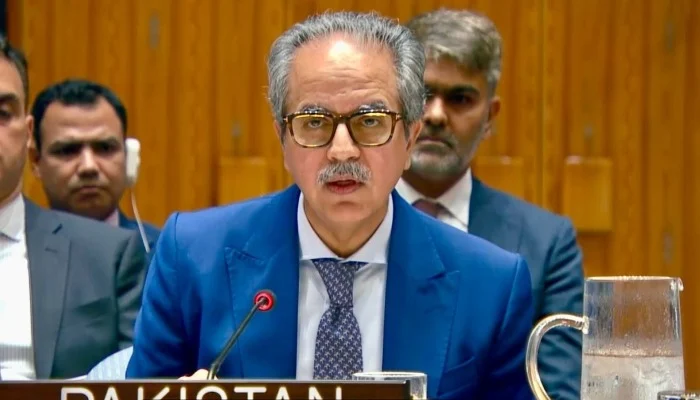
Speaking during a United Nations Security Council briefing on the implementation of UN Security Council Resolution 2231, Pakistan’s Permanent Representative to the UN, Ambassador Asim Iftikhar Ahmad, expressed concern over the latest escalation, warning that continued hostilities would undermine regional peace and diplomatic efforts.
He said the current situation was “in no one’s interest” and called on all parties to avoid actions that could further increase tensions.
Islamabad MoU Described as a Roadmap for Peace
Addressing the Security Council, Ambassador Ahmad said the Islamabad MoU, signed last month, provides a practical framework for resolving outstanding issues through peaceful negotiations.
He warned that any disruption to the diplomatic process would make resolving the Iran nuclear issue and other disputes significantly more difficult.
According to Pakistan’s Permanent Mission to the United Nations, the ambassador urged all parties to honour their commitments under the agreement and continue working towards a mutually acceptable settlement.
He described the MoU as an enduring foundation for dialogue, mutual respect and regional cooperation.
Pakistan Reaffirms Support for Diplomacy
Pakistan reiterated that lasting peace can only be achieved through dialogue rather than military confrontation.
Ambassador Ahmad said every effort should be made to restore normalcy and bring all stakeholders back to the negotiating table.
“There is no alternative to sustained engagement, dialogue and diplomacy,” he said.
He added that Pakistan continues to support the peaceful resolution of all outstanding issues, including the Iranian nuclear programme, through diplomatic means and constructive negotiations.
Trump Declares Interim Iran Peace Accord ‘Over’ After Fresh Military Escalation
Fresh Tensions Between Washington and Tehran
Pakistan’s appeal comes amid renewed tensions between the United States and Iran following a series of military exchanges over the past week.
The latest escalation included attacks on commercial vessels, US military strikes on Iranian targets, and Iranian attacks on US military facilities in Gulf countries, raising fresh concerns about regional stability.
US President Donald Trump said Washington had agreed to continue discussions with Tehran but simultaneously declared that the ceasefire reached between the two sides last month was no longer in effect.
In a post on his Truth Social platform, Trump said Iran had requested that negotiations continue, but also stated that, from the US perspective, the ceasefire was “over.”
These developments have created new uncertainty over the future of diplomatic efforts.
Pakistan Encourages Continued Negotiations
During the Security Council session, Ambassador Ahmad said Pakistan had been working with international partners to support de-escalation, ceasefire efforts and broader regional stability.
He welcomed the expert-level discussions held so far and noted what he described as “positive progress” in implementing aspects of the Islamabad Memorandum of Understanding.
The ambassador also cautioned against statements or actions that could create misunderstandings or derail ongoing negotiations.
According to him, all diplomatic efforts should remain focused on advancing the implementation of the agreement and reducing tensions in the region.
Statement by Ambassador Asim Iftikhar Ahmad
Permanent Representative of Pakistan
At Security Council Briefing on the “Implementation of Security Council resolution 2231 (2015): Twenty-first report of the Secretary-General”
(10 July 2026)
****Mr. President,
Pakistan expresses… pic.twitter.com/5XdBIyEqYN
— Permanent Mission of Pakistan to the UN (@PakistanUN_NY) July 10, 2026
Regional Mediation Efforts Continue
As diplomatic activity continues, regional mediators are also working to revive negotiations.
According to Reuters, Qatar has been engaging with Iranian officials in an effort to ease tensions and discuss issues related to the Strait of Hormuz, one of the world’s most strategically important maritime routes.
These discussions are aimed at preventing further escalation and encouraging both sides to return to dialogue.
Pakistan Reaffirms Commitment to Regional Peace
Concluding his remarks, Ambassador Ahmad said Pakistan remains committed to supporting the objectives of the Islamabad MoU and working towards a comprehensive and lasting agreement.
He stressed that continued dialogue, mutual respect and diplomatic engagement are essential for ensuring long-term peace, security and stability in the region.
Pakistan also reiterated its willingness to continue contributing to international efforts aimed at reducing tensions and promoting peaceful solutions to regional disputes.