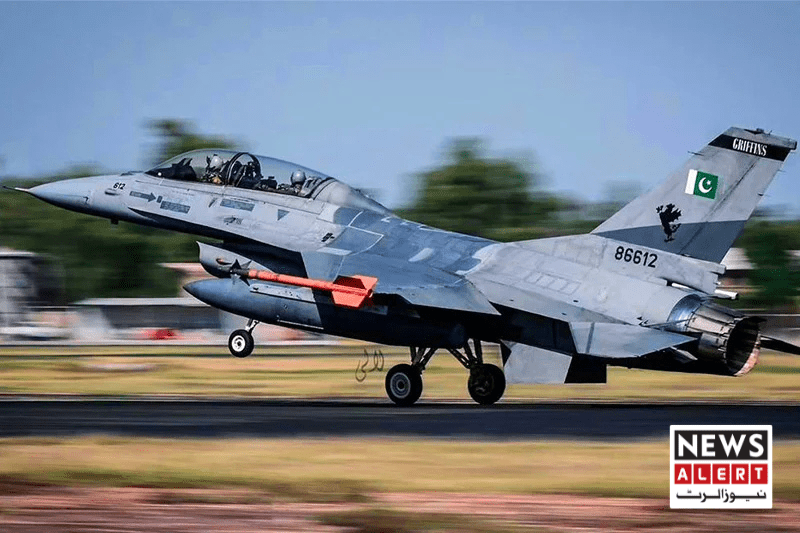
The United States has approved a major modernization package for Pakistan’s F-16 fighter jets. The decision marks an important moment in Islamabad–Washington defense ties. The U.S. Defense Security Cooperation Agency (DSCA) confirmed the approval and informed Congress of the plan.
The upgrade will refresh Pakistan’s aging fleet and improve its ability to meet modern security needs. It also strengthens joint cooperation between the two countries at a time of shifting regional dynamics.
Advanced Systems and Training Included
The modernization program introduces several high-tech systems.
Pakistan will receive a secure data link, upgraded avionics, new cryptographic security modules, and an advanced identification system. These technologies improve communication, threat detection, and navigation.
The package also covers pilot training, technical instruction, spare parts, and specialized maintenance tools. These additions ensure that Pakistan’s air force can operate and sustain the upgraded jets without interruption.
Defense analysts say the upgrades will raise Pakistan’s air combat readiness. They note that the F-16 remains a central part of Pakistan’s air doctrine. The aircraft has served in air defense, precision strikes, and counterterrorism missions for more than three decades. With the upgrade, the jets can handle modern electronic warfare environments and complex aerial engagements more effectively.
Operational Life Extended to 2040
Officials in Islamabad say the improvements will extend the F-16 fleet’s operational life to 2040. The extension gives Pakistan more time to plan long-term modernization while avoiding an urgent need for costly replacements.
The U.S. has linked the upgrade to shared security goals. Washington says the program supports joint counterterrorism efforts and strengthens regional stability. Several militant networks remain active in Afghanistan and Pakistan’s border regions. U.S. officials believe a capable Pakistani air force helps contain these threats.
The full package carries an estimated price tag of $686 million. DSCA said the program will not alter the regional military balance. It instead aims to support an existing partner and improve interoperability during joint missions or training exercises.
Positive Reaction from Pakistan
Pakistan’s Foreign Office welcomed the announcement. Officials called the decision an important step for bilateral defense cooperation. They also said the upgrade strengthens regional stability at a time of growing uncertainty.
Islamabad views the F-16 as a symbol of long-standing military ties with Washington. The aircraft helped Pakistan during major counterterrorism campaigns in the 2000s and 2010s. Senior officers often highlight the jet’s precision-strike capability and advanced radar performance.
Defense experts in Pakistan believe the upgrade will ease maintenance challenges. The new systems reduce the aircraft’s reliance on older components and ensure more reliable operation. They also help integrate the jets with modern ground-based command and control systems.
Broader Regional Context
South Asia continues to face strategic tensions. India and Pakistan remain locked in a fragile peace. Cross-border incidents occur from time to time, and both countries keep modernizing their air forces. India operates advanced aircraft such as the Rafale and Su-30MKI. Pakistan relies on a mix of F-16s, JF-17s, and older platforms. The upgrade improves Islamabad’s ability to maintain a credible deterrent.
Security challenges also persist along Pakistan’s western frontier. Militant groups exploit gaps in security networks and rugged border terrain. The F-16’s precision capabilities help Pakistan target such groups while reducing the risk of civilian harm.
Strengthening a Complex Partnership
The approval comes after years of fluctuating ties between Washington and Islamabad. The two countries often cooperate on security but differ on regional politics. Despite these tensions, defense cooperation has continued in areas linked to stability and counterterrorism.
The latest upgrade signals steady engagement on both sides. It also shows that practical cooperation remains possible even when broader relations face strain.