SNGPL Reveals Updated Winter Plan
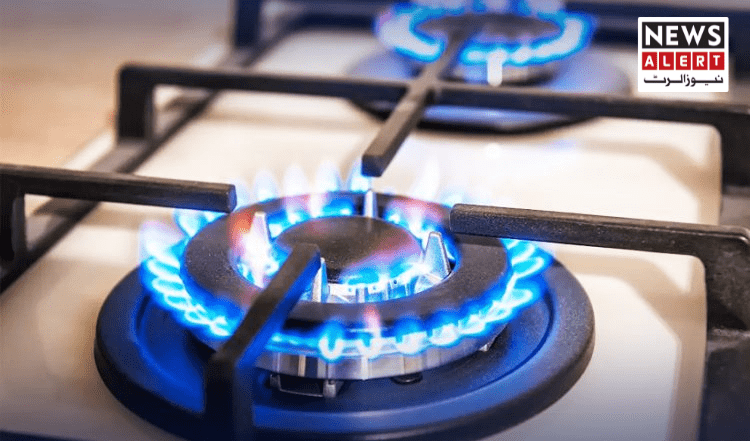
Sui Northern Gas Pipelines Limited (SNGPL) released a revised winter gas schedule for Punjab and Khyber Pakhtunkhwa (KP), covering December through February. The company says the new plan gives families predictable supply hours so they can manage cooking and heating needs during peak winter months.
Officials say gas demand continues to climb as temperatures drop, and the company wants to keep the system stable without creating sudden outages. The announcement comes at a time when many households remain frustrated with inconsistent supply in previous winters.
Daily Supply Windows
SNGPL introduced three specific daily supply slots for domestic consumers. These windows align with common mealtimes to reduce inconvenience.
The schedule includes:
-
Morning: 5:30 am to 8:30 am
-
Afternoon: 11:30 am to 1:30 pm
-
Evening: 5:30 pm to 8:30 pm
The company says these timings will help families organize breakfast, lunch, and dinner with fewer disruptions. Many residents, however, worry that cold waves may increase usage beyond these slots.
Winter Demand Surges Across the System
According to SNGPL, gas consumption rises sharply every winter because households rely more on heaters, geysers, and extended kitchen use. The company says current demand already sits several times higher than summer levels. Despite the surge, officials insist the system still holds enough gas to meet scheduled domestic needs.
SNGPL also emphasized that the industrial sector will continue receiving uninterrupted supply. The government wants to protect manufacturing and export activity during a period of economic stress. Industry groups have repeatedly warned that any reduction in gas supply harms production and reduces export competitiveness.
Energy analysts say Pakistan’s natural gas consumption grows faster than its production. Domestic fields continue to decline, while imported LNG remains costly. In fact, the government recently moved toward long-term reforms, including a permanent ban on new domestic gas connections under its updated LNG policy, as reported here: Pakistan Imposes Permanent Ban on New Domestic Gas Connections. This shift highlights why seasonal shortages continue to reappear every winter.
Residents in Jhelum Report Sharp Pressure Drop
People in Jhelum say gas pressure dropped soon after the winter season began. Many households struggled to cook even during the scheduled supply windows. Residents shared concerns about unreliable pressure and rising dependence on alternatives such as LPG cylinders, electric stoves, and firewood.
Such pressure drops often hit northern Punjab first because colder weather increases consumption. Families in these areas sometimes wake up to minimal or no pressure in the mornings, leading to long queues at LPG shops or higher electricity bills.
Officials Urge Consumers to Conserve Gas
SNGPL urged consumers to use gas responsibly and avoid unnecessary usage during peak times. The company says careful consumption supports system stability and helps households manage bills at a time when global fuel prices remain volatile.
Energy experts also encourage families to insulate homes, limit heater use, and maintain appliances to reduce wastage. They say simple changes can lower demand and improve supply consistency for everyone.
Government Aims to Balance Supply and Demand
The government hopes the new schedule will create more predictability for households and reduce sudden disruptions across Punjab and KP. SNGPL wants families to plan daily routines around the announced timings so limited winter supplies can stretch farther.
Although many citizens welcome clear scheduling, others remain cautious. They argue that schedules only work when pressure remains stable. Several communities say they will monitor the situation closely as temperatures continue to fall.
The winter season in northern Pakistan usually peaks in January, so both provinces may still face significant demand pressure. Authorities say they will review the situation frequently and adjust the plan if necessary.