LAHORE: The Provincial Disaster Management Authority (PDMA) has issued a Glacial Lake Outburst Flood (GLOF) advisory for Pakistan’s northern regions, warning that rising temperatures and intermittent monsoon rains have increased the risk of sudden flooding in glacier-fed areas.
The advisory, issued on Sunday, cautioned that accelerated glacier melting could raise water levels in glacial lakes, increasing the likelihood of dangerous outburst floods that could threaten lives, infrastructure and property.
Several districts placed on high alert
According to the PDMA, district administrations in the following areas have been placed on high alert:
- Upper Chitral
- Lower Chitral
- Upper Dir
- Swat
- Upper Kohistan
- Mansehra
Officials have been instructed to closely monitor vulnerable locations and remain prepared for any emergency situation.
Authorities directed to strengthen preparedness
The PDMA has directed local administrations to:
- Continuously monitor high-risk glacial lakes and flood-prone areas.
- Issue timely public warnings if conditions worsen.
- Conduct evacuation drills in vulnerable communities.
- Ensure designated safe shelters are ready for emergency use.
The authority stressed that proactive measures are essential to minimize the impact of any potential glacial lake outburst floods.
NDMA Warns of Rising Flood Threat as Monsoon Rains Swell Rivers Across Pakistan
Tourists urged to avoid risky areas
With thousands of tourists travelling to Pakistan’s northern regions during the summer holidays, the PDMA has advised visitors to avoid unnecessary travel to vulnerable locations.
Authorities specifically urged tourists and trekkers to refrain from:
- Camping near rivers, streams or glacial lakes.
- Trekking in high-risk mountain valleys.
- Visiting flood-prone areas unless absolutely necessary.
Motorists have also been warned not to attempt crossing fast-flowing streams or floodwaters, as strong currents can quickly sweep away vehicles.
What is a GLOF?
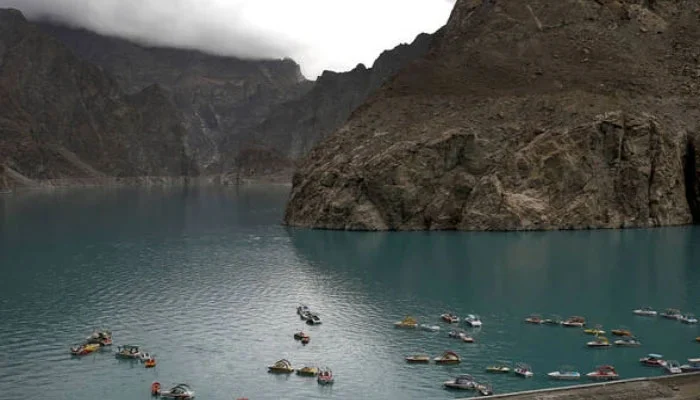
A Glacial Lake Outburst Flood (GLOF) occurs when the natural barrier—made of ice, rocks or loose debris—that holds back a glacial lake suddenly collapses.
Such events can be triggered by:
- Rising temperatures that accelerate glacier melting.
- Heavy rainfall.
- Earthquakes or other geological activity.
When the barrier fails, massive volumes of water can rush downstream within minutes, causing destructive flash floods that endanger nearby communities, roads and critical infrastructure.
The PDMA has urged both residents and visitors to remain alert, follow official advisories and avoid unnecessary travel in vulnerable mountainous areas until weather conditions improve.