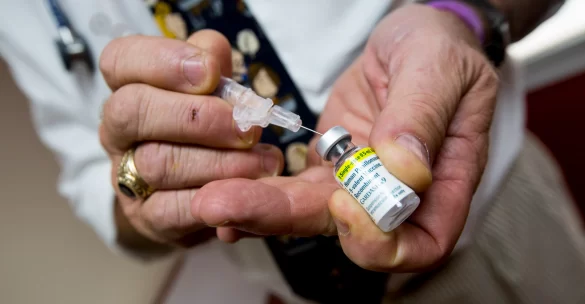
US pharmaceutical companies Moderna and Merck have reported encouraging results from a major clinical trial of an experimental personalized cancer treatment designed specifically around the genetic characteristics of individual tumors.
The treatment, known as intismeran autogene, uses messenger RNA (mRNA) technology, the same broad technology that became widely known through COVID-19 vaccines. According to the companies, the treatment produced positive results when given alongside the established immunotherapy drug pembrolizumab.
The findings could represent an important development in personalized cancer treatment, although the full trial data has yet to be presented and the drug has not yet received regulatory approval.
Treatment designed around each patient’s tumor
Unlike conventional cancer treatments that are generally designed for groups of patients with the same type of cancer, intismeran autogene is tailored to an individual patient’s tumor.
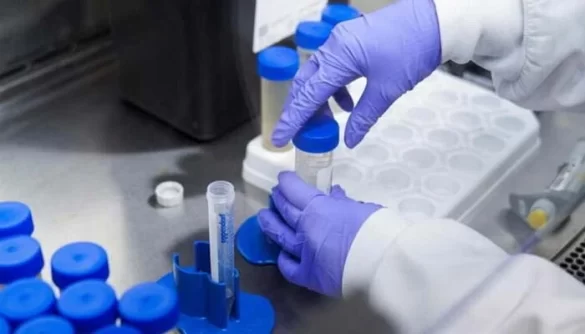
Researchers first take a sample of the patient’s tumor and analyse its genetic mutations. This allows them to identify a distinctive set of mutations, sometimes described as the tumor’s genetic “fingerprint”.
Scientists then use that information to create an individualized mRNA-based treatment intended to train the patient’s immune system to recognise and attack cancer cells carrying those specific characteristics.
The approach is designed to help the immune system identify cancer cells that might otherwise escape detection.
Large Phase 3 trial produced positive results
The trial involved 1,137 patients whose melanoma tumors had been surgically removed. Participants were divided into groups, with approximately two-thirds receiving intismeran autogene alongside pembrolizumab, while the remaining participants received pembrolizumab alone.
The companies said the combination helped prevent melanoma from returning and reduced the risk of the disease spreading to other organs.
The trial lasted approximately a year, and Moderna and Merck described the results as the first positive Phase 3 evidence for an mRNA-based cancer treatment.
The companies said they plan to present detailed findings at an upcoming international medical conference before submitting the data to regulatory authorities for review.
Along with our partners at @Merck, we announced positive results from the Phase 3 INTerpath-001 study of intismeran autogene, our investigational individualized neoantigen therapy, in combination with pembrolizumab as adjuvant treatment in patients with completely resected Stage… pic.twitter.com/oaVDmxeHmx
— Moderna (@moderna_tx) August 19, 2026
Experts welcome results but call for more data
The announcement has generated optimism among cancer specialists, although independent experts have stressed the importance of examining the complete clinical data.
Lennard Lee, a consultant medical oncologist and assistant professor at the University of Oxford who was not involved in the research, described the results as “very encouraging” and said the full findings would be important to assess.
Marco Gerlinger, a consultant medical oncologist and professor at London’s Barts Cancer Institute, said the results were significant not only for melanoma patients but also as a potential demonstration that personalised cancer vaccines could work.
However, Gerlinger also noted that the initial announcement did not provide enough detailed information to determine how durable the benefits will be.
In particular, researchers still need to establish whether the reduction in recurrence remains significant over longer periods, including several years after treatment.
Moderna Cancer Vaccine Trial Sends Stock Soaring as Results Show Promise
How mRNA cancer treatment works
Messenger RNA technology works by delivering temporary molecular instructions into cells. The instructions are carried in tiny fatty particles and prompt cells to produce specific targets that can stimulate an immune response.
In the case of a personalized cancer treatment, the goal is to direct the immune system toward features associated with a patient’s tumor.
The technology itself was developed decades ago, but its potential became much more widely recognised during the COVID-19 pandemic. Moderna and Pfizer used mRNA technology to develop vaccines that provided strong protection against severe COVID-19.
Cancer vaccines, however, have a different purpose from preventive vaccines used against infectious diseases. Rather than primarily preventing an infection, personalized cancer vaccines are designed to help the immune system recognise and attack existing cancer-related targets.
Melanoma remains a serious health concern
Melanoma is one of the most aggressive forms of skin cancer. According to the figures cited in the report, more than 330,000 new melanoma cases were diagnosed worldwide in 2022.
For patients whose melanoma has been surgically removed, preventing the disease from returning or spreading is a major treatment goal.
Moderna and Merck are now studying intismeran autogene in combination with pembrolizumab and other cancer therapies across several types and stages of cancer.
The companies said research is also being conducted in cancers including melanoma, lung, bladder and kidney cancers.
Despite the encouraging Phase 3 results, intismeran autogene remains an experimental treatment. Regulatory authorities must review the complete clinical data before deciding whether it can be approved for routine use. The upcoming presentation of detailed trial results will therefore be closely watched by doctors, researchers and patients.