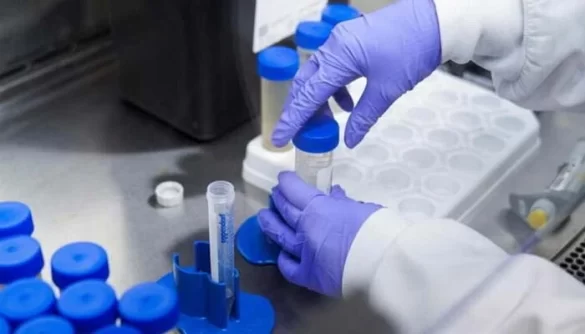
Biotechnology company Moderna has seen its stock price surge following the release of preliminary results from a major clinical trial of its experimental personalized cancer vaccine, marking an important milestone in the company’s efforts to expand its mRNA technology beyond infectious diseases.
The vaccine, being developed in partnership with pharmaceutical giant Merck & Co., is designed to work alongside Merck’s cancer treatment Keytruda. Unlike traditional vaccines that are primarily used to prevent infections, the experimental treatment is intended to help a patient’s immune system identify and attack cancer cells already present in the body.
The encouraging trial results triggered a strong reaction from investors, with Moderna’s stock rising more than 90% in pre-market trading. Merck’s shares also gained following the announcement.
Phase III Trial Shows Positive Results
The Phase III clinical trial involved more than 1,100 patients with stage IIIc melanoma. All participants had their tumors surgically removed before entering the study.
Researchers evaluated the combination of Moderna’s personalized vaccine and Keytruda to determine whether the treatment could help prevent the cancer from returning or spreading to other parts of the body.
According to the companies, the combination met its primary objective by delaying both cancer recurrence and metastasis. The results represent a significant step in the development of the treatment because Phase III trials are generally conducted on large groups of patients to provide more extensive evidence about a treatment’s effectiveness and safety.
Moderna and Merck also reported that the study did not identify any previously unknown safety concerns associated with the vaccine or Keytruda.
The companies plan to present more detailed findings at an upcoming scientific conference and eventually submit the complete data to regulatory authorities for review.
How the Personalized Cancer Vaccine Works
The experimental treatment uses Moderna’s mRNA technology to create a vaccine tailored to an individual patient’s tumor.
Researchers first analyze genetic mutations found in a patient’s cancer cells. That information is then used to design a personalized mRNA vaccine intended to train the immune system to recognize specific characteristics of those cancer cells.
The goal is for the immune system to identify and target cancer cells more effectively.
This approach differs considerably from conventional vaccines, which are generally designed to prepare the immune system to prevent infections caused by particular viruses or other pathogens.
Personalized cancer vaccines, by contrast, are being developed as treatments designed around the biological characteristics of an individual’s cancer.
Earlier Research Also Showed Encouraging Signs
The latest findings build on earlier research involving the vaccine and Keytruda.
Data collected five years after treatment in an earlier-stage clinical trial showed a statistically significant reduction in melanoma recurrence among patients who received the personalized vaccine in combination with Keytruda compared with those who received Keytruda alone.
Those earlier findings helped support the continued development of the treatment and provided a basis for the larger Phase III study.
However, the latest results are still part of the regulatory development process and do not mean the treatment has become an approved cancer therapy.
Cancer Vaccine Still Awaiting Regulatory Approval
The personalized vaccine, known as intismeran autogene, remains an experimental treatment.
Although Moderna and Merck are encouraged by the Phase III findings, the companies must provide detailed data to regulatory agencies before the treatment can potentially receive approval.
Regulators will independently assess the available evidence, including the vaccine’s effectiveness, safety and potential benefits compared with existing treatment options.
Consequently, the completion of the Phase III trial does not mean doctors can immediately prescribe intismeran autogene as a routine treatment for melanoma patients.
Why the Results Matter for Moderna
The trial could have significance beyond a single cancer treatment. Moderna became widely known for its mRNA-based COVID-19 vaccine, but the company has been exploring the technology for other medical applications, including cancer.
Investors responded strongly to the latest results because successful development of a personalized cancer treatment could demonstrate that the company’s mRNA platform has applications beyond infectious diseases.
For the broader field of cancer research, the results could also add to growing interest in treatments that use a patient’s own tumor characteristics to guide immune responses.
If the findings are confirmed through detailed analysis and the treatment eventually receives regulatory approval, the vaccine could represent an important development in personalized cancer medicine. For now, however, Moderna and Merck must complete the regulatory process before the treatment can become widely available.