A Province-Wide Push for Safer Roads
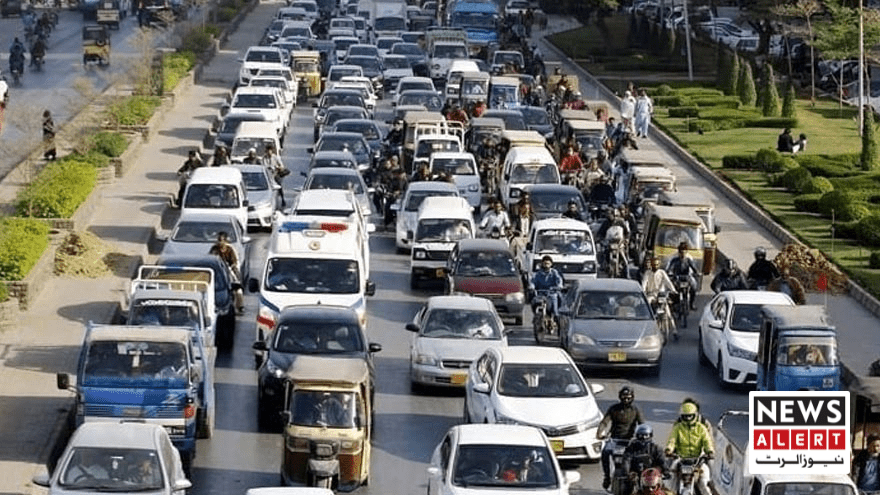
Punjab authorities launched a vigorous campaign this week to improve traffic discipline and reduce road accidents. Traffic officers increased patrols, expanded checkpoints and enforced penalties more strictly than usual across major routes and inner-city roads. The campaign reflects growing concern over reckless driving, overcrowded roads and a steady rise in accident-related injuries in the province.
Authorities Issue Tens of Thousands of Fines
Traffic Police officials reported a dramatic surge in enforcement during a 24-hour period. Officers issued 63,970 fines to motorcyclists and drivers who ignored traffic rules, reflecting a broader campaign that also targets speeding, overloading and pollution. These penalties generated 842.9 million Pakistani rupees in fines, a figure that highlights both the scale of violations and the intensity of the crackdown.
Officials noted that many drivers ignored speed limits, used unregistered vehicles or lacked valid driving documents. Motorcyclists contributed heavily to the violation count because of poor helmet compliance, lane violations and risky overtaking.
Police Impound Nearly 24,000 Vehicles
Officers impounded 23,904 vehicles across Punjab. They took these vehicles into custody for repeated violations, missing documents, unauthorized modifications or refusal to stop at checkpoints. Several police stations now hold rows of seized motorcycles and cars as officers continue to verify records and release vehicles only after due process.
Helmet violations formed the largest single category of offences. The police issued over 28,000 helmet-related fines in one day. Officers also registered 4,312 legal cases against individuals who resisted instructions, ignored repeated warnings or endangered other road users.
Drones Strengthen Surveillance in Key Cities
Punjab’s Traffic Police increasingly rely on technology to track violations more accurately. Teams in Gujranwala, Faisalabad, Rawalpindi and Multan used drone cameras throughout the day to monitor intersections, observe busy corridors and identify dangerous driving patterns.
Drone operators follow real-time feeds and alert nearby patrols whenever they spot over-speeding, illegal U-turns or heavy congestion. This system allows officers to respond faster and intervene before conditions worsen.
Additionally, the recently activated Traffic Quick Force teams now patrol high-risk zones and commercial districts. These rapid-response units intercept violators on the spot, remove bottlenecks and support emergency crews during accidents.
Rising Concerns Over Traffic-Related Casualties
Punjab continues to record some of the highest traffic-related injury numbers in Pakistan. Government data from previous years shows that motorcycles contribute to more than 70% of road accidents. Many incidents involve young riders who avoid helmets, drive without training or modify their motorcycles for higher speeds.
Major cities such as Lahore and Rawalpindi struggle with daily congestion, especially during school and office rush hours. Road-safety experts believe stricter enforcement can reduce accidents, but they also urge authorities to expand public transport, improve road engineering and launch education campaigns that target both new and experienced drivers.
Citizens Respond to the Crackdown
Public reaction remains mixed, though many citizens acknowledge the need for stronger enforcement. Some commuters complain about longer travel times due to checkpoints and surprise inspections. Others support the campaign and point out that reckless driving has become increasingly common.
Shopkeepers near major intersections also report smoother traffic flow during peak hours. They say strict enforcement encourages riders to follow lanes, reduce speeding and avoid wrong-way driving.
Police Renew Appeal for Public Cooperation
Traffic Police officials encouraged citizens to support the campaign. They stressed that consistent compliance can reduce accidents, protect families and create safer roads for everyone. Officers also urged motorcyclists to wear helmets, maintain their vehicles and follow speed limits at all times.
A Long Road Ahead
Punjab’s latest enforcement drive shows a clear shift toward stronger oversight, quicker response times and wider use of technology. The coming weeks will reveal whether this momentum continues and whether citizens adjust their behaviour. For now, authorities plan to keep the crackdown active and maintain pressure on habitual violators as they work toward safer roads across the province.