A Mesmerizing Natural Transformation
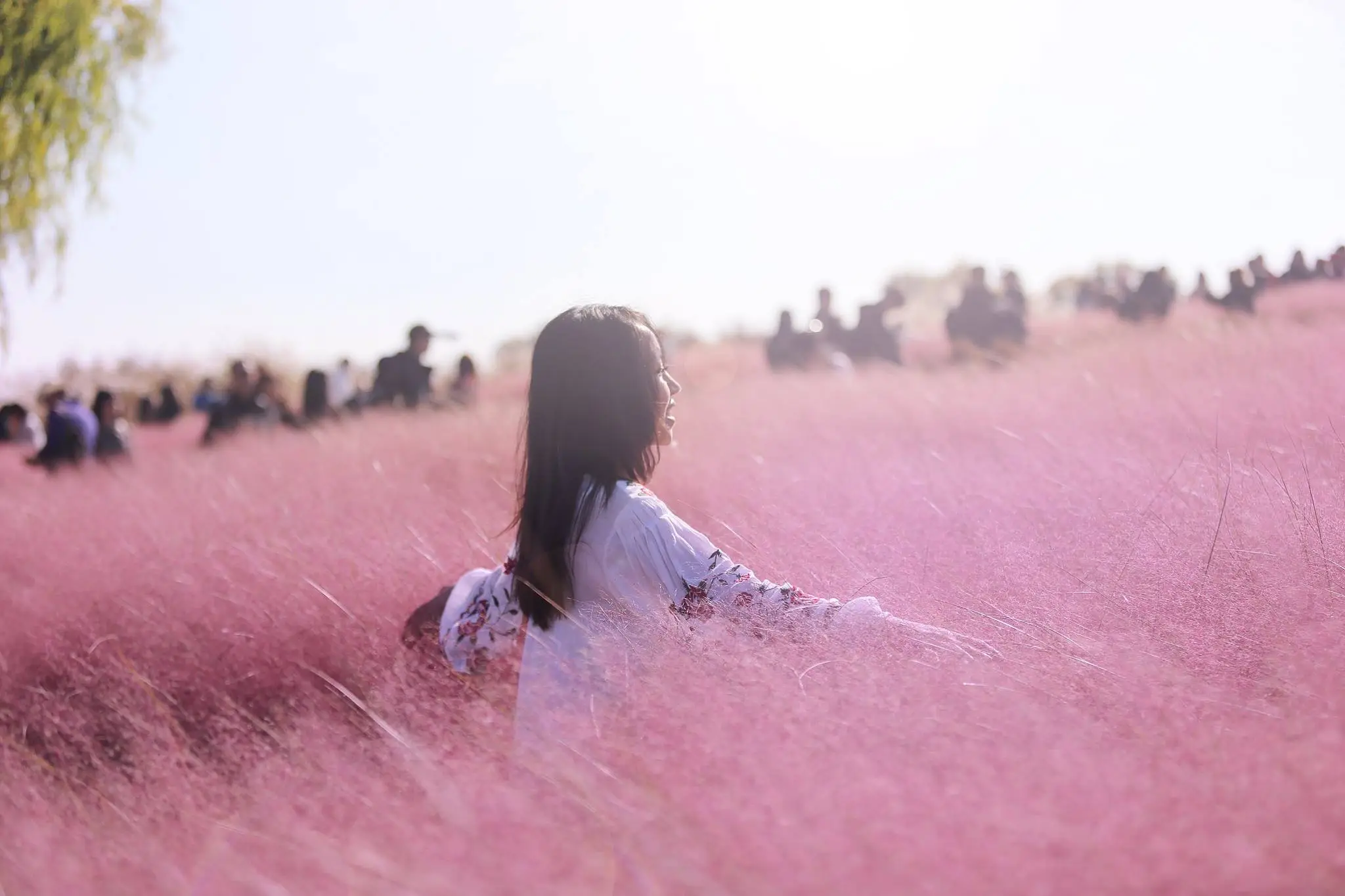
Seoul, South Korea — Visitors across South Korea are witnessing a breathtaking natural spectacle this autumn as lush green fields transform into vibrant shades of pink and lavender. The transformation is caused by Pink Muhly Grass, a decorative plant known for its soft, cotton-candy-like clusters that bloom from mid-September to early November.
The grass, native to the southern regions of the United States, has found a second home in South Korea, where it is widely cultivated across parks, islands, and tourist attractions. When in full bloom, the landscape appears covered in a gentle pink mist, creating what many describe as a fairy-tale view.
Perfect Conditions for the Pink Spectacle
Pink Muhly Grass thrives in moderate sunlight, dry soil, and well-drained land. Excessive moisture can damage its roots, making it a resilient yet delicate plant. Once planted, it can regrow for several years, requiring minimal maintenance.
In South Korea, local authorities and landscape designers have intentionally planted Pink Muhly Grass in eco-parks and nature reserves to boost tourism and showcase the country’s seasonal beauty. The best time to witness this striking transformation is during the first two weeks of October, when the hues are at their most vivid.
Popular Viewing Spots Draw Thousands
Among the most popular destinations are Seoul’s Hanuel Park, Gyecheon Lake, and Jeju Island, where visitors can stroll through expansive pink fields that resemble waves of color. The sight has become a social media sensation, attracting photographers, influencers, and nature lovers from around the world.
Tourism officials report a surge in visitors during the autumn months, with many describing the experience as surreal and tranquil. For many, capturing a photo among the pink plumes has become an annual tradition and a symbol of seasonal change in South Korea.
A Blend of Nature and Aesthetic Appeal
Beyond its visual charm, Pink Muhly Grass reflects South Korea’s growing appreciation for eco-friendly landscaping and seasonal tourism. Each year, as the grass turns pink, it brings locals and travelers together to celebrate nature’s fleeting beauty — a reminder of how small details can create moments of wonder.