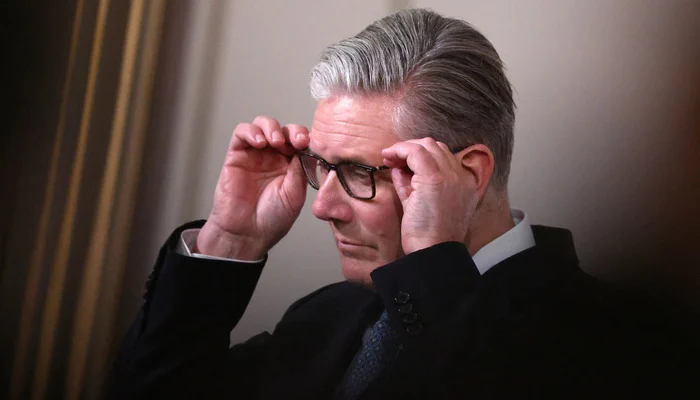
British Prime Minister Keir Starmer is facing mounting criticism over the appointment of Peter Mandelson as ambassador to the United States, as he shifts responsibility onto foreign ministry officials for withholding key information.
Starmer Blames Officials for Withheld Information
Speaking in parliament, Starmer said he had not been informed that officials had concerns about Mandelson’s security clearance. He expressed frustration that such critical details were not shared with senior leadership.
According to Starmer, it was “unbelievable” that foreign office officials chose not to disclose information that could have influenced the decision. He argued that this lack of transparency undermined accountability within government.
Admission of “Wrong Judgment”
The prime minister acknowledged that appointing Mandelson had been a mistake, stating clearly that he would not have made the decision had he been aware of the full background.
Mandelson was dismissed in September after revelations about his connections to convicted sex offender Jeffrey Epstein raised serious concerns. The controversy resurfaced recently when it emerged that Mandelson had failed a formal security vetting process, despite being granted clearance.
UK and Ukraine to Sign Defence Pact Addressing Drone Threats
Political Fallout Intensifies
The issue has quickly turned into a political crisis for Starmer. Opposition figures, including Conservative leader Kemi Badenoch, have accused him of avoiding responsibility and shifting blame onto civil servants.
Critics argue that the controversy raises broader questions about leadership and decision-making at the highest level of government. Some have gone as far as calling his position untenable, although no senior members within his own party have publicly demanded his resignation so far.
Internal Actions and Policy Changes
In response to the scandal, Starmer dismissed a senior foreign office official, holding them accountable for approving a statement that indicated Mandelson had cleared the vetting process.
He also announced steps to prevent similar situations in the future, including restricting the ability of departments to override security advice during high-level appointments.
Timing Adds to Pressure
The controversy comes at a difficult time for Starmer, just weeks before local elections where his Labour Party is already expected to face challenges. The renewed focus on the appointment has added pressure on his leadership and raised concerns about public trust.
Ongoing Debate Over Accountability
The situation has sparked a wider debate in the UK about transparency, institutional responsibility, and the balance of power between elected officials and civil servants.
While Starmer maintains that he acted based on the information available to him, opponents argue that ultimate responsibility lies with the prime minister. As the political fallout continues, the issue is likely to remain a key point of contention in British politics in the coming weeks.