Elon Musk believes there is considerable merit in combining Tesla and SpaceX, but the billionaire has warned that a merger is far from certain, despite growing expectations among analysts that the two companies could join forces by the end of 2027.
The proposed combination would bring together Tesla’s electric vehicles and autonomous technology with SpaceX’s space operations and expanding artificial intelligence business. However, the decision will depend on negotiations between independent committees and approval from Tesla shareholders.
SpaceX shares rose 8.4%, while Tesla gained 1.5% in premarket trading following the discussion surrounding a potential merger.
Musk has described himself as a “conflicted party” and said he cannot serve on the special committees responsible for evaluating the proposal. He also acknowledged that the committees have yet to agree on terms.
Why Wall Street Sees a Strategic Merger
Supporters argue that combining Tesla and SpaceX could create significant advantages as both companies expand their investments in artificial intelligence and autonomous systems.
The companies are already collaborating on the Terafab chip manufacturing project, while SpaceX is developing its AI business alongside its core space operations.
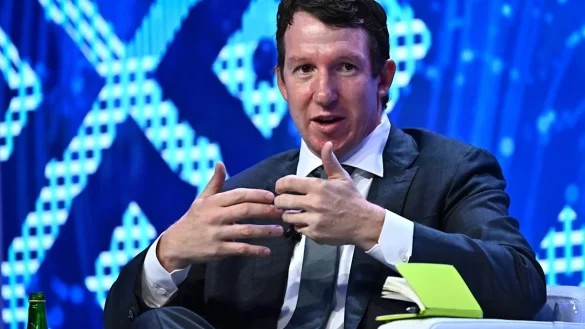
Justus Parmar, chief executive of Fortuna Investments and an investor in both companies, said a merger would make strategic sense because of their shared focus on AI and major infrastructure projects.
He argued that bringing the businesses together could reduce duplicated operations, administrative expenses and legal costs while allowing Musk to spend less time moving between separate corporate structures.
Analysts have also highlighted the financial demands of expanding AI computing infrastructure and space-related operations. Combining certain services and financing arrangements could potentially help manage those costs, although the actual benefits would depend on the merger’s structure.
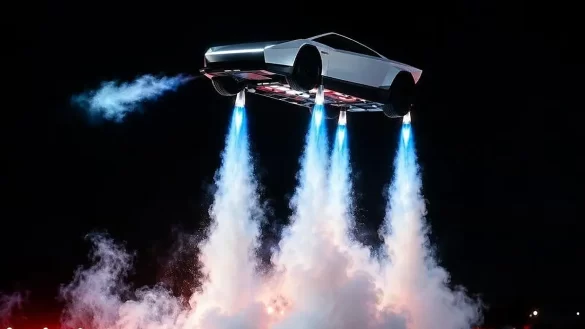
Tesla’s recent Roadster unveiling, which featured a demonstration involving SpaceX rocket thrusters, has also fuelled speculation about closer integration between the companies.
Tesla Shareholder Approval Is a Major Obstacle
Despite the potential strategic benefits, a merger would face a significant governance challenge because Musk holds different levels of voting power in the two businesses.
Through super-voting shares, Musk controls approximately 85% of SpaceX’s voting power. His voting stake in Tesla is considerably smaller, at around 20%.
Bill Birmingham, head of research at REX Financial, estimates that a merger could increase Musk’s voting power in the combined company to approximately 57%.
Ryan Zurrer, founder of Dialectic, has estimated that Musk could hold around 58% under an illustrative exchange ratio of 0.7 SpaceX shares for each Tesla share, a ratio previously floated by Barclays.
However, no exchange ratio has been negotiated, and the final terms could significantly affect the ownership structure.
Zurrer has suggested that a ratio closer to 0.6 could be necessary for Musk to retain control under certain circumstances if he sold additional equity.
He also identified the Tesla shareholder vote, alongside Musk’s own incentives, as a major hurdle.
Why Every Tesla Shareholder Vote Matters
Musk has said the proposal would require approval from a majority of all Tesla shares, rather than merely a majority of the shares represented by votes cast.
Under that requirement, uncast ballots could count against the proposal, making shareholder participation particularly important.
Analysts have pointed to voting turnout as a potential risk, noting that uncast broker votes at Tesla’s previous annual meeting could affect the outcome of a major corporate decision.
Even if the strategic case for combining the companies proves persuasive, Tesla investors would still need to decide whether the proposed terms offer sufficient benefits to justify the transaction.
Tesla Unveils Flying Roadster With SpaceX Thrusters, Delays Launch to 2028
Governance and Regulatory Scrutiny Expected
A merger would also face questions about corporate governance, conflicts of interest and the fairness of the terms offered to shareholders.
Because Musk leads both companies, independent oversight would be particularly important in evaluating a transaction that could materially change ownership and control.
Tesla’s 2016 acquisition of SolarCity provides a precedent for such scrutiny. The transaction faced years of litigation before a Delaware court ultimately cleared it, while the case highlighted the importance of independent decision-making in related-party deals.
Josh Gilbert, lead analyst for Asia-Pacific at eToro, said a transaction in which one person effectively controls both sides would attract tough questions about governance.
Regulatory requirements and the work of the independent committees could therefore influence both the timing and the final structure of any potential merger.
Investors Must Weigh the Business Case
Beyond governance, investors will need to determine whether combining Tesla and SpaceX would create more value than allowing the companies to pursue partnerships and investments independently.
Ipek Ozkardeskaya, senior analyst at Swissquote, said investors could reject the proposal if they believed Tesla would benefit more from exploring AI partnerships with other companies.
The scale of the businesses and their differing operations could also complicate the process of assessing a fair valuation and deciding how much of each company shareholders should receive in a combined entity.
Tesla Earnings and December Meeting in Focus
Tesla is scheduled to report its third-quarter financial results after the market closes, with investors also watching for further information about possible merger discussions.
Analysts are monitoring regulatory filings ahead of Tesla’s December 3 annual shareholder meeting for any disclosures that could clarify the status of the proposal.
For now, the prospect of a Tesla-SpaceX merger remains speculative. Although some Wall Street analysts see a deal as increasingly likely by the end of 2027, Musk has stressed that no agreement has been reached.
The outcome will depend on the negotiations, the proposed exchange ratio, shareholder approval and whether the two companies can demonstrate that combining their operations would deliver lasting value.