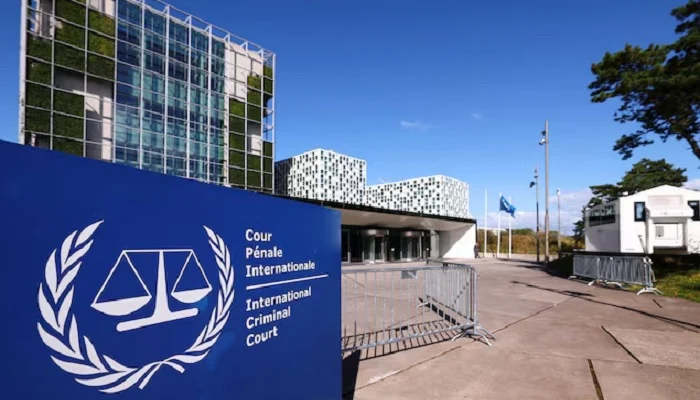
The Trump administration has prepared sanctions targeting the International Criminal Court (ICC) as a whole and could announce the measures soon, according to two people familiar with the matter.
The move would significantly escalate Washington’s campaign against the international tribunal, which investigates and prosecutes alleged war crimes, crimes against humanity and genocide.
The administration has previously imposed sanctions on several ICC judges and prosecutors and has called on the court to drop arrest warrants against Israeli leaders, as well as an earlier investigation involving US military personnel in Afghanistan.
Sanctions could affect ICC finances
The exact timing of the announcement remains unclear, the sources said. The Wall Street Journal reported that the decision could be finalised as early as this week during the United Nations General Assembly session.
If the US Treasury imposes organisation-wide sanctions, American citizens and companies would generally be barred from providing funds, goods or services to the ICC without a licence from the Treasury Department’s Office of Foreign Assets Control (OFAC).
Such restrictions could make it significantly more difficult for the court to conduct its routine operations. Banks and other financial institutions frequently take additional precautions when dealing with US sanctions because of their dependence on access to the American financial system.
ICC officials have previously warned that broad sanctions could affect the court’s ability to purchase information technology services and insurance, hire investigators and conduct routine financial transactions.
The measures could also affect payments to American employees working for the court.
The US State Department did not immediately respond to a request for comment on the reported sanctions.
Trump Administration Slams UK’s Plan to Boost BBC Online, Calls It ‘Censorship Facilitation’
Washington opposes ICC investigations
The Trump administration has repeatedly criticised the ICC and sought to limit its ability to investigate US and Israeli officials.
US Secretary of State Marco Rubio announced in July a campaign aimed at isolating the court and urged countries to withdraw from the tribunal.
The latest plans follow the ICC’s decision to issue an arrest warrant for Israeli Prime Minister Benjamin Netanyahu over alleged war crimes and crimes against humanity linked to the Gaza conflict. The court also issued a warrant for former Israeli Defence Minister Yoav Gallant.
The United States and Israel reject the ICC’s jurisdiction in these cases and have never been members of the court.
Trump’s opposition to the ICC dates back to his first administration. The issue resurfaced after his 2024 election victory, when the court issued the arrest warrant for Netanyahu.
ICC established to prosecute serious crimes
The International Criminal Court was established in 2002 to prosecute individuals accused of genocide, war crimes and crimes against humanity.
Under its founding framework, the court generally exercises jurisdiction when national authorities are unable or unwilling to genuinely investigate and prosecute serious crimes within its jurisdiction.
The planned US measures would go beyond sanctions against individual ICC officials by potentially targeting the institution itself and entities that cooperate with it, a step that could have broader consequences for the court’s operations.