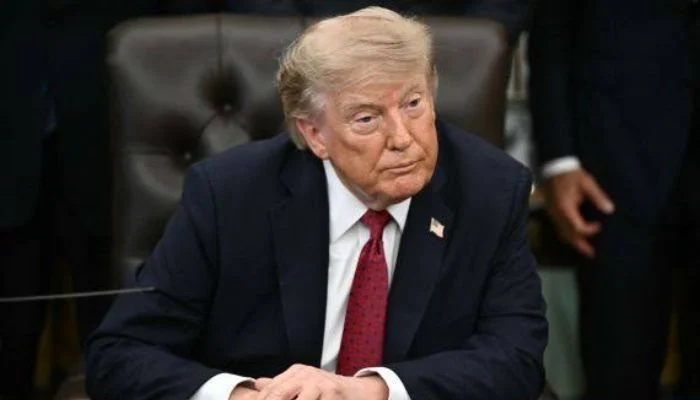
The Trump administration has criticised a UK government proposal that would require social media platforms to give greater visibility to content produced by the BBC and other traditional broadcasters, warning that the move could potentially “facilitate censorship.”
The US Embassy in London has expressed “serious concerns” over the proposed changes, arguing that government-backed preferential treatment for certain media organisations could have broader implications for freedom of expression online.
UK Plans Greater Visibility for Traditional Broadcasters
The UK government, led by Prime Minister Andy Burnham, is proposing rules that would require platforms such as YouTube and other social media services to adjust their algorithms to give greater prominence to content from established broadcasters, including the BBC and ITV.
The proposal comes as audiences increasingly turn away from traditional television and print outlets and consume news through social media platforms, video-sharing websites and other digital channels.
The UK government argues that the changes are needed to address the spread of misinformation online. Officials have raised concerns that unverified news and misleading claims can spread rapidly through digital platforms, potentially making it harder for users to distinguish reliable information from false or inaccurate content.
However, Washington has questioned whether giving greater prominence to government-approved or publicly funded media organisations could create a precedent that other governments might use to justify greater control over online content.
Washington Warns of Wider Censorship Risks
The US administration has argued that preferential treatment for selected media outlets could have implications beyond Britain’s borders.
According to the US position, governments with more restrictive approaches to media freedom could potentially point to similar policies as justification for controlling what information their citizens are able to see online.
Washington has also raised concerns that the proposed rules could negatively affect independent journalists and smaller news organisations that rely heavily on social media platforms to reach audiences.
BBC Apologizes for Controversial Editing of Trump Speech, Refuses Compensation
The US further warned that the measures could contribute to what it described as “extraterritorial censorship of protected speech by Americans online.”
The dispute highlights a broader disagreement between London and Washington over the appropriate level of government involvement in regulating social media and online speech.
UK and US Already Divided Over Social Media Rules
The latest disagreement comes amid wider tensions over Britain’s approach to online safety and social media regulation.
In June, Britain announced plans to restrict children under the age of 16 from using major social media platforms, including X, Facebook, Instagram, TikTok, Snapchat and YouTube.
Former Prime Minister Keir Starmer defended the proposed restrictions as necessary measures to protect children from potential online harms.
The plans, however, attracted criticism from major US technology companies as well as Elon Musk, who described the proposed restrictions as a “censorship law.”
The latest dispute over the BBC and other traditional broadcasters therefore adds another dimension to the continuing debate over how governments should balance online safety, reliable information and freedom of expression.
For now, the UK government’s proposed changes remain part of a broader policy debate, while Washington’s objections underline the growing international sensitivity surrounding government influence over the algorithms that determine what users see online.