Gold Prices Soar Before Sudden Decline
In the United Arab Emirates, a growing number of citizens have started selling their gold jewelry, driven by financial pressures and investment opportunities. According to a recent report by The Gulf Times, gold prices in the country reached record highs before experiencing a sharp decline, prompting many to cash in their assets.
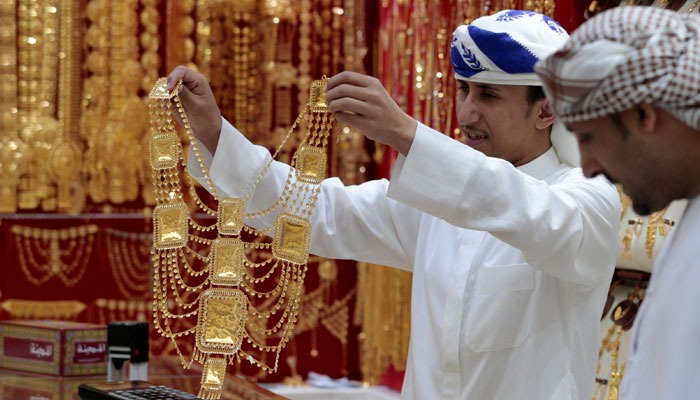
The sudden volatility has sparked long queues at Dubai’s famous Gold Souk, where jewelers reported an unusually high number of sellers over the past week.
Why Residents Are Selling
Economic analysts suggest that the trend is largely influenced by two main factors: rising personal debt and the desire to invest in real estate. Many UAE residents, especially middle-income earners, are using jewelry sales to pay off loans or to gather funds for property purchases, which continue to attract local and foreign investors.
One jeweler at the Dubai Gold Souk noted, We have never seen so many people selling their gold in such a short period. Many are cashing out to manage debts or to invest in real estate.
Market Dynamics
The UAE’s gold market has historically been sensitive to global price fluctuations. After hitting record highs last month, gold prices fell sharply due to changes in international demand and global economic uncertainty. This rapid shift created an unusual situation: sellers who had held onto gold as a safe investment suddenly found themselves in a position to realize immediate profits or cover urgent expenses.
According to the World Gold Council, gold prices worldwide rose steadily in recent years, peaking amid inflationary fears. However, recent stabilization in international markets has caused prices to retreat slightly, affecting buyers and sellers in key trading hubs such as Dubai and Abu Dhabi.
Long Queues and Increased Transactions
The impact of this trend is visible in the bustling streets of Dubai’s Gold Souk, where long lines of residents wait to sell jewelry. Shops report that both gold and silver pieces are being exchanged at a rapid pace, with sellers ranging from ordinary citizens to investors looking to liquidate assets.
A local market analyst commented, The UAE has a deep cultural attachment to gold. When prices rise, it attracts investors, and when they fall, people start selling. It’s a cycle influenced by both tradition and financial strategy.
Broader Economic Context
The UAE’s economy, while resilient, has faced challenges such as rising living costs and fluctuating oil prices. These factors, combined with a booming real estate market, have created conditions in which citizens seek alternative ways to manage their finances. Jewelry sales, therefore, serve both as a financial safety net and an investment tool.
Experts warn that while selling gold can provide short-term liquidity, it may also have long-term implications if prices continue to fluctuate. Many sellers risk missing out on future gains if gold prices rebound.
Looking Ahead
Market observers predict continued activity in the gold sector as residents and investors closely monitor price trends. Dubai, often referred to as a global gold trading hub, remains a focal point for both buying and selling, reflecting the strong cultural and economic significance of precious metals in the UAE.
As the situation develops, residents are advised to stay informed about global gold prices and seek professional advice before selling valuable jewelry. The current trend highlights the delicate balance between tradition, investment, and financial necessity in the UAE.