ABU DHABI: The United Arab Emirates (UAE) has suspended all trade activities, exchanges and financial transactions with Iran until further notice, as tensions continue to rise across the region.
The UAE Foreign Ministry announced the decision on Wednesday, saying the move was prompted by an escalation that it believes is threatening regional and international peace and security.
The decision came a day after the UAE Defence Ministry reported detecting two ballistic missiles launched from Iran.
UAE Says Missiles Targeted Maritime Traffic
According to the UAE Defence Ministry, the missiles were detected on Tuesday and were assessed to have targeted maritime traffic.
Both missiles ultimately fell into the sea, and the ministry did not report casualties or damage resulting from the incident.
The UAE said its defence forces remained fully prepared to respond to potential threats and protect the country’s security.
The reported missile launch was particularly significant because it was described as the first such incident since May 4, when a strike was reported near Fujairah port.
The UAE Interior Ministry also issued an alert to residents on Tuesday warning of a potential missile threat. A subsequent notification said the situation was safe and instructed residents to resume their normal activities.
Iran Rejects UAE Allegations
Iran has rejected the UAE’s account of the incident.
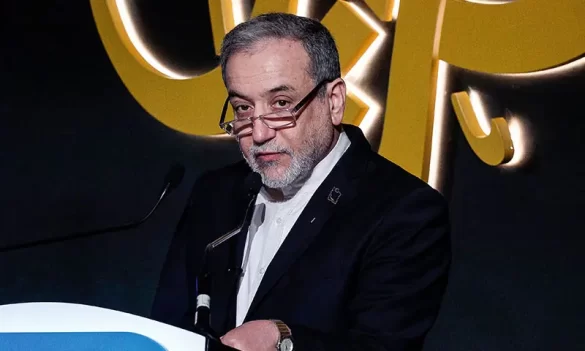
Iranian Foreign Ministry spokesperson Esmaeil Baghaei described the UAE’s statement as “baseless” and urged regional countries to avoid making what he called unsubstantiated accusations against Tehran.
Baghaei also argued that any assessment of the current situation should take into account what Iran describes as the continued “malicious actions” of the United States and Israel in the region.
He referred to what Tehran considers a history of alleged false-flag operations and said regional developments should be assessed within the broader security situation.
Iran has not claimed responsibility for the reported missile launch.
UAE Denies Reports of Releasing Frozen Iranian Assets Amid Ongoing Regional Tensions
Rising Tensions Around the Strait of Hormuz
The latest developments come at a particularly sensitive time for the region.
A 60-day period for US-Iranian negotiations expired on Monday without the two sides reaching a breakthrough. The failure to make progress has raised concerns about another escalation in the wider conflict.
The situation has also affected commercial shipping through the Strait of Hormuz, one of the world’s most important energy routes.
The waterway is particularly important because large volumes of oil and other energy supplies traditionally pass through it, meaning prolonged disruption can have consequences for global energy markets and fuel prices.
UAE Had Previously Raised Concerns Over Vessels
The UAE has also recently accused Iran of attacking vessels operated by the country’s state-owned ADNOC while they were travelling through the Strait of Hormuz.
Iran has not acknowledged responsibility for those incidents.
However, Iran’s Islamic Revolutionary Guard Corps has previously warned that it could take action against vessels travelling through the strategic waterway if they are considered linked to countries hostile to Tehran or fail to comply with Iranian instructions.
These tensions have added to concerns among shipping companies and regional governments about the safety of commercial vessels operating in and around the strait.
UAE Moves to Protect Security
The UAE Defence Ministry said it remained prepared to respond to threats and would take measures against actions that could undermine the country’s security and stability.
The suspension of trade and financial transactions represents a significant step given the longstanding commercial relationship between the UAE and Iran.
For now, the UAE has not provided a specific date for lifting the restrictions, saying the suspension will remain in place until further notice.
The development highlights the increasingly complicated regional situation, with diplomatic efforts between Washington and Tehran stalled while disputes over maritime security and military activity continue to raise concerns about further escalation.