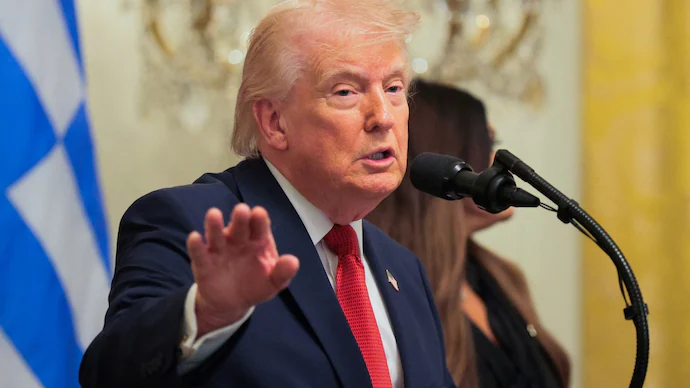
US President Donald Trump has announced a temporary 10-day pause in attacks on Iran’s energy infrastructure, signaling a possible opening for diplomacy amid an intensifying regional conflict. The move comes as the war continues to disrupt global markets and escalate military tensions across the Middle East.
Background: War and Its Global Impact
The conflict began on February 28, when the United States and Israel launched strikes on Iran after negotiations over Tehran’s nuclear program failed. Since then, the war has claimed thousands of lives and expanded into neighboring countries.
Its economic impact has been significant. Crude oil prices have surged by around 40%, while shipments of liquefied natural gas (LNG) to Asia have jumped sharply. Additionally, nitrogen-based fertilizer prices—critical for global food production—have risen by approximately 50%, raising concerns about food security.
Temporary Halt and Conflicting Narratives
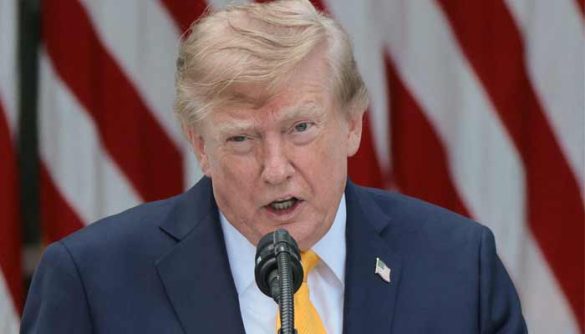
Trump stated that attacks on Iran’s energy facilities would be paused until April 6, 2026, describing ongoing negotiations as “going very well.” He also claimed that Iran had requested a shorter pause, although there has been no official confirmation from Tehran.
In contrast, Iranian officials have dismissed a US proposal to end the conflict as “one-sided and unfair.” Reports suggest Iran did not formally request the 10-day pause, highlighting a gap between public statements and diplomatic realities.
Continued Fighting and Military Developments
Despite the pause on energy targets, hostilities have not ceased. Iran has continued missile strikes on Israel and US-linked positions, targeting cities such as Tel Aviv and Haifa. Some of these attacks reportedly involved ballistic missiles and cluster munitions, causing civilian damage.
Meanwhile, the United States has deployed uncrewed drone speedboats for patrol operations in the Gulf—marking the first confirmed use of such systems in an active conflict. Trump has also warned that failure to meet US demands could result in severe consequences for Iran.
Trump Approved Iran Strike After Netanyahu Urged Assassination of Khamenei
Strait of Hormuz: A Strategic Flashpoint
The Strait of Hormuz remains central to the الأزمة. Iran has effectively restricted fuel exports through this vital passage, which normally carries about one-fifth of the world’s oil and LNG supply.
Trump indicated that Iran allowed several oil tankers, including some Pakistan-flagged vessels, to pass as a goodwill gesture. However, broader shipping activity remains heavily disrupted, contributing to volatility in global energy markets.
Complex Negotiations and Uncertain Outlook
According to US envoy Steve Witkoff, Washington has presented Iran with a 15-point proposal aimed at ending the conflict. The plan reportedly includes dismantling Iran’s nuclear program, limiting its missile capabilities, and addressing control over the Strait of Hormuz.
Iran, however, has taken a firm stance, demanding security guarantees against future attacks, compensation for war damages, and recognition of its authority over the strait. Countries such as Pakistan, Turkey, and Egypt are facilitating indirect talks between the two sides.
While diplomatic channels remain open, the situation on the ground suggests that a resolution will be difficult. For now, the region remains caught between escalation and fragile negotiation.