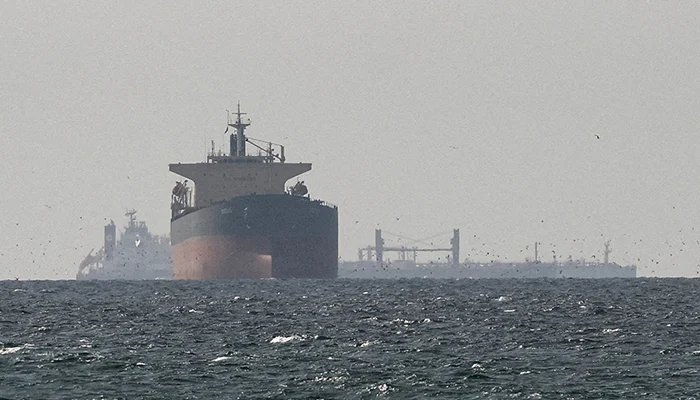
Pakistan is weighing options to ensure the uninterrupted flow of fuel, fertiliser, and other essential cargo after Iran agreed to allow a limited number of Pakistani-flagged ships to pass through the Strait of Hormuz, according to a Bloomberg report cited by The News.
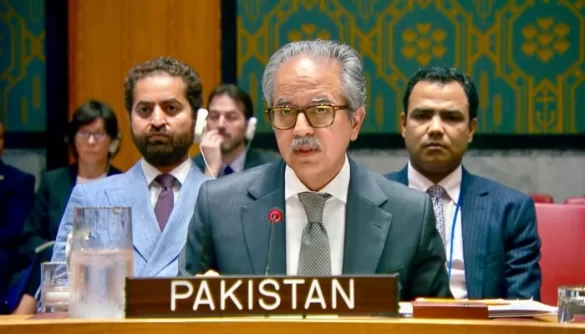
Pakistani Foreign Minister Ishaq Dar confirmed over the weekend on social media platform X that Iran had authorized 20 vessels “under the Pakistani flag” to transit the strategically vital waterway. US President Donald Trump also referenced this development in a recent interview, highlighting its regional significance.
Fleet Limitations and Potential Solutions
Despite the authorization, Pakistan’s actual fleet presence in the Persian Gulf falls short of the permitted number. According to ship-tracking data and anonymous sources familiar with the discussions, Pakistan National Shipping Corporation (PNSC) has already sent its last vessels out of the Gulf.
This has prompted the government to explore alternative strategies, including re-flagging foreign tankers to operate under the Pakistani flag. Such a move could allow the country to secure essential cargoes — including crude oil and fertiliser — without waiting to expand its own fleet. However, officials emphasize that no final decision has been made yet.
Regional Support and Bilateral Agreements
Kuwait has expressed readiness to support Pakistan-flagged vessels by providing diesel and fuel supplies, signaling broader regional cooperation. Under the Iran-Pakistan agreement, Dar noted that two Pakistani-flagged ships can cross the Strait of Hormuz each day.
This bilateral arrangement follows similar efforts by other Asian nations such as Malaysia, Thailand, and India, which have negotiated deals to maintain access to critical cargoes stranded by the ongoing conflict.
Global Energy Implications
The current Middle East war, triggered by US and Israeli strikes on Iran, has disrupted the operations of some of the world’s largest oil and gas producers, creating a significant global energy supply shock. Emerging economies, particularly in Asia, are among the most affected, as higher fuel costs strain already limited fiscal resources.
Pakistan’s proactive approach in negotiating limited Hormuz access and exploring alternative shipping arrangements demonstrates the government’s focus on mitigating the economic and energy impacts of the ongoing regional instability.
Strait of Hormuz Sees Dramatic Shipping Decline Amid Conflict
While challenges remain, including fleet limitations and logistical hurdles, the agreement with Iran provides a lifeline for Pakistan to maintain essential imports. How the government executes options such as re-flagging vessels could determine the country’s ability to safeguard its energy and agricultural supplies during a period of heightened regional uncertainty.