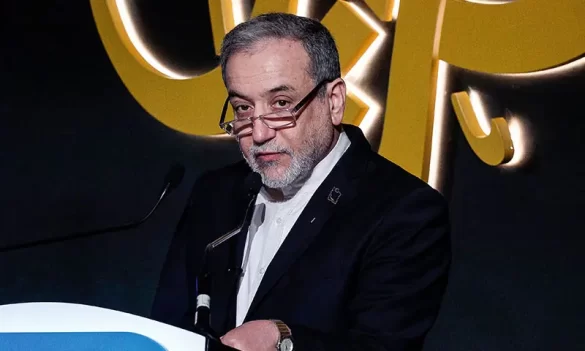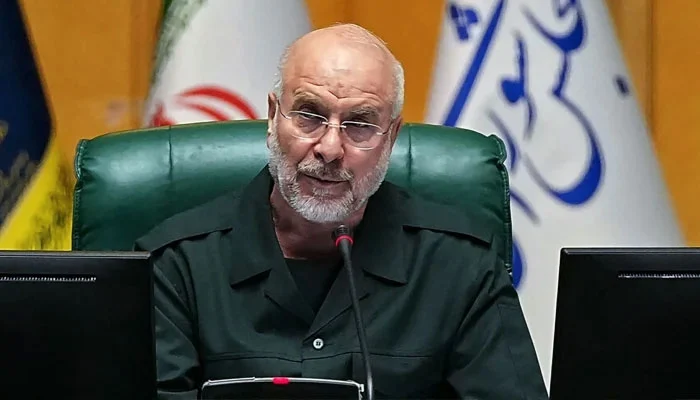
Iranian Parliament Speaker Mohammad Bagher Ghalibaf has reportedly been appointed to oversee Tehran’s relations with China, according to Iranian media reports, marking a significant development in Iran’s diplomatic and strategic outreach.
New Role Approved by Iranian Leadership
According to reports by Iranian news agencies, Ghalibaf was appointed as Iran’s special representative for China affairs following a proposal by Iranian President Masoud Pezeshkian and with the approval of Supreme Leader Mojtaba Khamenei.
The appointment is expected to place Ghalibaf at the centre of Iran’s expanding political, economic, and strategic engagement with Beijing.
Tasked With Coordinating Iran-China Relations
Iranian media stated that Ghalibaf will coordinate multiple sectors of cooperation between Iran and China, including diplomacy, trade, energy, and strategic coordination.
The move reflects Tehran’s continued emphasis on strengthening ties with Beijing amid ongoing regional tensions and Western sanctions.
China remains one of Iran’s most important economic and political partners, particularly in energy trade and infrastructure cooperation.
Growing Diplomatic Role for Ghalibaf
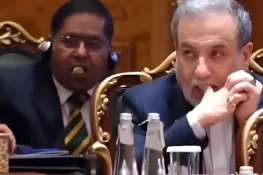
Ghalibaf has increasingly emerged as a key figure in Iran’s foreign diplomacy in recent months, especially during indirect negotiations involving the United States following the outbreak of regional conflict earlier this year.
He played a prominent role during talks connected to efforts aimed at reducing tensions after the war involving Iran, the United States, and Israel.
Mohsin Naqvi, Iranian President Discuss Pakistan’s Mediation Efforts for Regional Peace
Connection to Previous Iran-China Cooperation Framework
Iranian reports noted that the role previously resembled responsibilities held by late senior official Ali Larijani, who reportedly helped advance the long-term Iran-China cooperation agreement signed in 2021.
That 25-year agreement focused on economic investment, energy cooperation, infrastructure projects, and broader strategic relations between the two countries.
Strategic Importance Amid Regional Tensions
The appointment comes during heightened geopolitical tensions in the Middle East and increasing international attention on the Strait of Hormuz, a critical global energy route.
Iran recently allowed several Chinese vessels to transit through the strait after what Iranian authorities described as agreements regarding maritime management protocols.
Analysts view the development as further evidence of Tehran’s efforts to deepen strategic partnerships with major non-Western powers while navigating ongoing regional and international challenges.