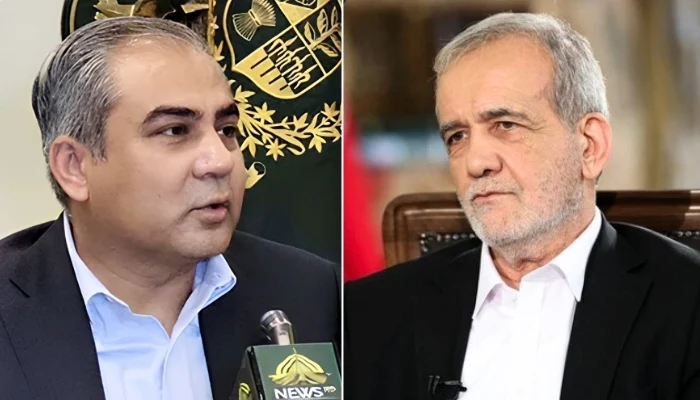
Pakistan’s Interior Minister Mohsin Naqvi held high-level meetings in Tehran with Iranian President Masoud Pezeshkian and Parliament Speaker Mohammad Bagher Ghalibaf as Islamabad continues its diplomatic efforts to facilitate dialogue between the United States and Iran.
90-Minute Meeting Focused on Regional Stability
According to Iranian state media, Naqvi’s meeting with President Pezeshkian lasted around 90 minutes and focused on bilateral relations, regional developments, and Pakistan’s ongoing mediation efforts aimed at reducing tensions in the Middle East.
The discussions come at a sensitive time as diplomatic engagement continues between Tehran and Washington following months of regional conflict and instability.
Separate Talks With Iranian Parliament Speaker
The Pakistani interior minister also met Iranian Parliament Speaker Mohammad Bagher Ghalibaf, who had previously participated in talks hosted by Pakistan.
Iranian media reported that both sides exchanged views on key regional and bilateral matters during the meeting, though detailed outcomes of the discussion were not publicly disclosed.
CENTCOM Chief Praises Pakistan’s Role in Counterterrorism Cooperation
Pakistan Continuing Mediation Between US and Iran
Iranian media stated that Naqvi arrived in Tehran as part of Pakistan’s broader diplomatic initiative to facilitate negotiations and support regional peace efforts.
Pakistan has remained actively involved in mediation attempts since helping broker a temporary ceasefire between Iran and the United States on April 8 after weeks of conflict involving US, Israeli, and Iranian forces.
Islamabad later hosted delegations from both sides for negotiations, although those talks concluded without a permanent agreement.
Disagreements Continue Over Nuclear and Regional Issues
Recent reports from Iranian media outlets suggested that negotiations remain difficult, particularly over Iran’s nuclear programme, missile capabilities, and the situation surrounding the Strait of Hormuz.
Iranian agencies claimed that Washington’s latest proposals did not include significant concessions, while Tehran continues to reject certain demands related to its nuclear infrastructure.
Earlier this month, Prime Minister Shehbaz Sharif confirmed that Pakistan had received Tehran’s response to a US proposal and subsequently forwarded it to Washington as part of the mediation process.
Pakistan Positioning Itself as Regional Mediator
Pakistan’s diplomatic engagement in the crisis has increasingly positioned Islamabad as an intermediary seeking de-escalation and dialogue in the region.
Officials have repeatedly stated that Pakistan supports negotiations and peaceful solutions, while continuing contacts with regional and international stakeholders in an effort to maintain stability in the Middle East.