Health experts in Pakistan have raised serious concerns that the country’s HIV epidemic is no longer limited to traditional high-risk populations. Instead, it is increasingly spreading into the general population, including women and children, largely due to unsafe medical practices and weak enforcement of healthcare regulations.
Rising Infections Beyond High-Risk Groups
According to infectious disease specialists, around 39% of HIV cases in Pakistan are now being detected among low-risk groups such as women and children. Experts say this shift signals a dangerous change in how the virus is spreading, moving beyond its earlier concentration in specific vulnerable communities.
They also warned that HIV-related deaths have increased sharply over the past decade, highlighting gaps in early diagnosis and treatment access across the country.
Unsafe Injections and Blood Transfusions Under Scrutiny
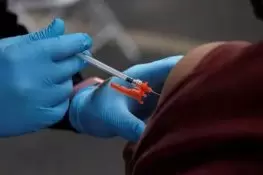
A major concern raised by doctors is the widespread use of unsafe injections and poorly regulated medical practices. Pakistan has one of the highest rates of therapeutic injections globally, with individuals receiving multiple injections annually. In many cases, syringe reuse and unsterile practices in clinics and informal healthcare setups continue to be reported.
Unsafe blood transfusions, particularly in unregulated private blood banks, have also been identified as a significant contributor to the spread of HIV, hepatitis B, and hepatitis C.
Experts say these practices are creating preventable transmission pathways within healthcare settings, effectively turning hospitals and clinics into sources of infection rather than treatment.
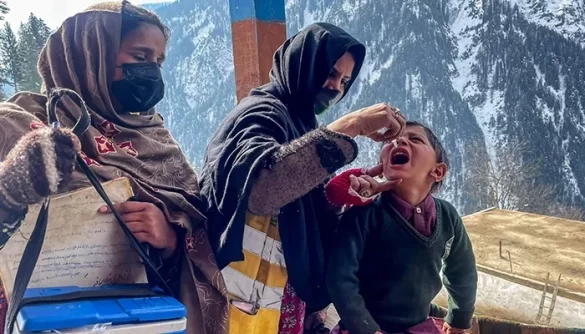
Karachi and Balochistan Launch Week-Long Polio Vaccination Campaign
Outbreaks Highlight Systemic Failures
Recent outbreaks have reinforced these concerns. In 2019, an outbreak in Ratodero, Sindh, infected more than 1,000 children. Investigations found that most affected children had received medical injections before diagnosis, while their mothers tested negative—strongly indicating healthcare-associated transmission.
More recent cases include outbreaks linked to dialysis units and clusters of infections among children in urban areas, suggesting that the problem persists despite previous warnings.
Low Diagnosis and Treatment Coverage
Another alarming issue is the low rate of diagnosis and treatment. Experts estimate that only about 21% of people living with HIV in Pakistan have been diagnosed, while an even smaller proportion is receiving proper treatment.
This large undiagnosed population increases the risk of further transmission, particularly in communities where awareness and testing facilities are limited.
Weak Infection Control in Healthcare Facilities
Medical specialists have also pointed to poor infection control practices in hospitals and clinics. These include inadequate sterilization procedures, unsafe handling of medical equipment, and lack of enforcement of standard safety protocols.
Such lapses not only contribute to HIV transmission but also increase the risk of spreading other infectious diseases within healthcare settings.
Calls for Urgent Reform
Health experts are urging immediate reforms, including strict enforcement of safe injection practices, universal screening of blood donations, and stronger regulation of private clinics and blood banks.
They emphasize that without systemic changes, preventable outbreaks will continue to occur, particularly among vulnerable groups such as children.
A Growing Public Health Challenge
The situation is now being viewed as a broader public health emergency rather than isolated incidents. Experts warn that unless healthcare practices are urgently improved and regulated, Pakistan could continue to face repeated outbreaks driven by preventable medical transmission routes.
For now, the focus remains on strengthening infection control systems and addressing what many experts describe as a deeply rooted “injection culture” within parts of the healthcare system.