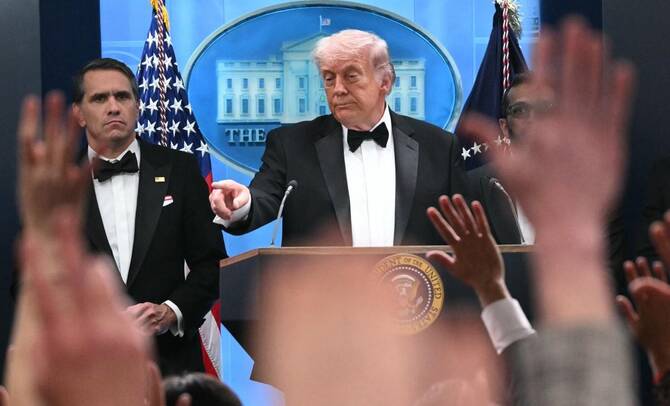
Washington: Donald Trump is reportedly dissatisfied with Iran’s latest diplomatic proposal aimed at ending the ongoing war, according to a US official cited in international reports.
The proposal, delivered through indirect channels, suggests postponing discussions on Iran’s nuclear programme until after broader conflict-related issues are resolved. However, US officials say this approach is unlikely to be accepted.
Key Disagreement Over Nuclear Talks
According to US officials, Washington’s position is clear: nuclear-related concerns must be addressed from the beginning of any negotiation process.
The White House has maintained that any agreement must prevent Iran from developing nuclear weapons, a long-standing red line in US policy.
Iran, however, has reportedly proposed a phased approach where immediate focus would be on ending the war and resolving maritime disputes before moving toward nuclear discussions.
Proposed Iranian Framework
The reported Iranian plan includes several stages:
- First, ending the ongoing conflict involving US and allied forces
- Second, lifting or easing restrictions on maritime trade routes
- Third, addressing the situation in the Strait of Hormuz
- Finally, initiating negotiations on the nuclear programme at a later stage
Iran is also seeking recognition of its right to enrich uranium, which it insists is for peaceful purposes.
Iran Proposes Phased Deal on Strait of Hormuz and Nuclear Talks Delay: Report
US Concerns and Political Pressure
A US official said Trump was not satisfied with delaying nuclear discussions, arguing that it weakens the chances of reaching a comprehensive agreement.
The administration has also stated it will not “negotiate through the press” and continues to emphasize its red lines publicly.
At the same time, Trump faces growing domestic pressure to bring an end to the conflict, which has contributed to rising global oil prices and economic uncertainty.
Impact on Global Energy Markets
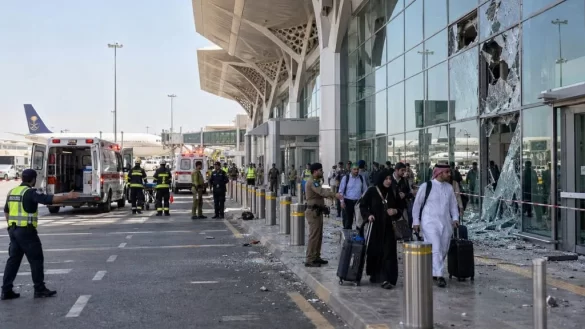
The war has significantly disrupted shipping through the Strait of Hormuz, a key global energy route. Reduced traffic and blockade-related tensions have pushed oil prices higher and raised concerns about global supply stability.
Before the conflict, hundreds of ships passed daily through the waterway, but current traffic has dropped sharply, according to shipping data cited in reports.
Broader Diplomatic Breakdown
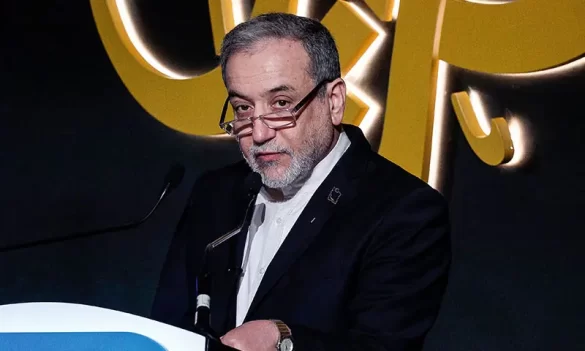
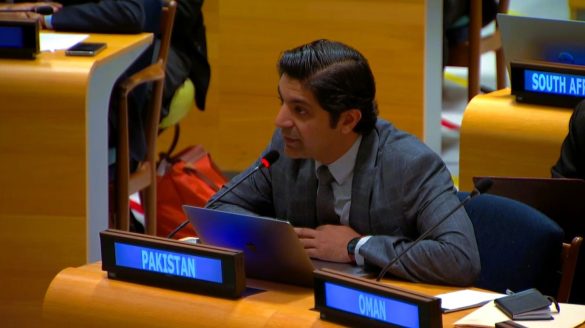
Earlier attempts to revive negotiations have also slowed after planned US diplomatic visits were cancelled. Iranian Foreign Minister Abbas Araghchi has continued shuttle diplomacy, meeting officials in multiple countries including Pakistan, Oman, and Russia.
However, no breakthrough has been achieved, and both sides remain far apart on key issues.
With both Washington and Tehran maintaining firm positions, the diplomatic impasse continues. The US insists on immediate nuclear negotiations, while Iran pushes for a phased approach tied to conflict resolution and maritime access.
For now, prospects for a quick settlement remain uncertain, as tensions continue to affect regional stability and global energy markets.