A new diplomatic proposal has reportedly been put forward by Iran suggesting a phased approach to resolving the ongoing conflict with the United States, including reopening the strategic Strait of Hormuz while postponing nuclear negotiations to a later stage.
According to a report by Axios, cited by Reuters, the proposal was conveyed through Pakistani mediators during recent discussions held in Islamabad.
Proposal Shared Through Pakistani Mediation
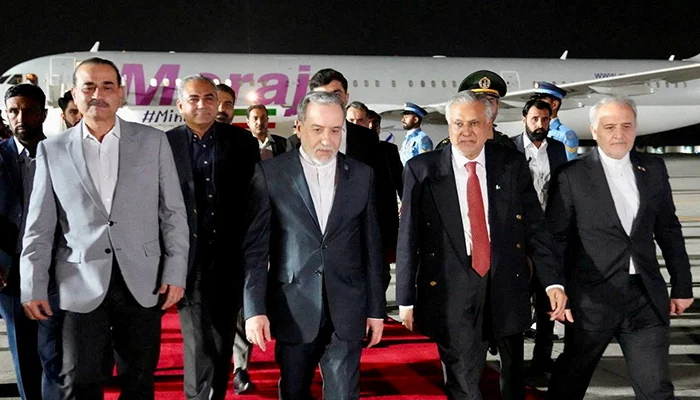
Iranian Foreign Minister Abbas Araghchi is said to have presented the framework during meetings with mediators in Pakistan and Oman.
The discussions took place amid ongoing efforts to sustain a fragile ceasefire and prevent renewed escalation following months of conflict between Iran and the United States and Israel.
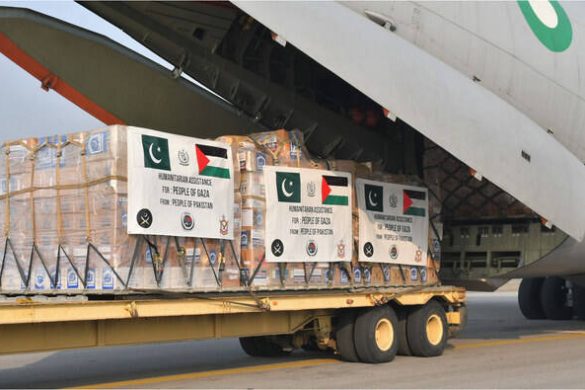
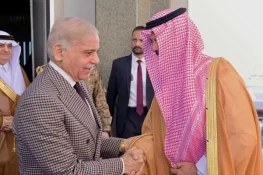
Pakistan has continued to play a mediating role in facilitating indirect communication between the two sides.
Focus on Strait of Hormuz First
A key element of the reported proposal is prioritizing the reopening of the Strait of Hormuz before addressing more complex political and nuclear issues.
Under the suggested framework, maritime access and sanctions-related concerns would be resolved in an initial phase, while negotiations on Iran’s nuclear programme would be deferred to a later stage.
Ceasefire Extension or Permanent Peace
The proposal reportedly envisions either extending the current ceasefire or converting it into a permanent end to hostilities. The ongoing ceasefire was introduced after months of military escalation but has remained fragile, with both sides still holding divergent positions.
Key issues remain unresolved, including Iran’s nuclear enrichment programme, regional security arrangements, and sanctions relief.
US Reaction and Position
The White House has acknowledged receiving the proposal but has not confirmed whether it will engage with the framework. A spokesperson reiterated that Washington will only consider any agreement that prevents Iran from developing nuclear weapons.
Donald Trump has also maintained a firm stance, stating that Iran must accept clear conditions before any formal agreement is reached.
JUST IN: President Trump lays down a hard line on Iran talks, saying future discussions will happen by phone — not long-distance travel.
“They cannot have a nuclear weapon. Otherwise there’s no reason to meet.” | @JacquiHeinrich @SundayBriefFNC pic.twitter.com/0ub40kNac8
— Fox News (@FoxNews) April 26, 2026
Broader Areas of Disagreement
Beyond the nuclear issue and maritime access, both sides remain divided on regional security matters. The United States has sought limits on Iran’s support for regional groups, while Tehran is demanding sanctions relief and an end to military pressure on its allies.
These disagreements continue to complicate diplomatic efforts and delay a comprehensive settlement.
Regional Security Concerns Continue
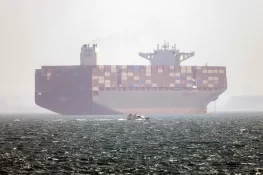
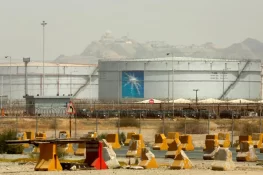
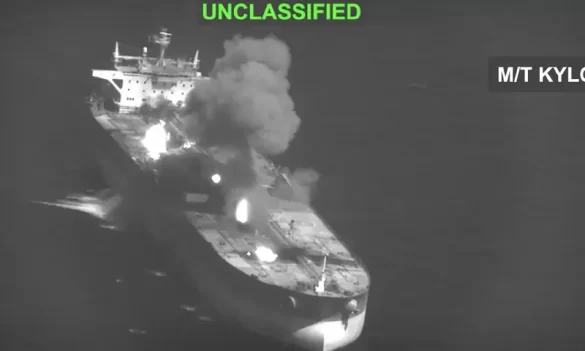
The situation remains volatile across parts of the Middle East, with ongoing tensions affecting shipping routes, energy markets, and regional stability. The Strait of Hormuz, through which a significant portion of global oil shipments passes, remains a key strategic pressure point in the conflict.
Iran’s FM Returns to Pakistan as Efforts Continue to Sustain US–Iran Peace Talks
While the reported Iranian proposal introduces a potential phased pathway toward de-escalation, significant gaps remain between both sides. The success of any agreement will depend on whether Washington and Tehran can bridge differences over sequencing, verification, and core security demands.
For now, diplomatic efforts continue, with Pakistan remaining a key facilitator in keeping dialogue channels open.