India’s ambitious plan to develop Great Nicobar Island into a major maritime and economic hub has triggered a strong political and environmental backlash, with critics calling it “destruction dressed in development’s language.”
What is the Great Nicobar Megaproject?
The proposed $9 billion Great Nicobar Island Project aims to transform the remote island into a strategic economic zone. The plan includes:
- A major container port
- An international airport
- A new urban city development
Great Nicobar Island is located about 3,000 kilometres from New Delhi and sits near the Strait of Malacca, one of the world’s busiest maritime trade routes, handling up to 30% of global sea trade.
The government says the project is strategically important for trade, shipping security, and national defence.
Environmental Concerns and Forest Loss
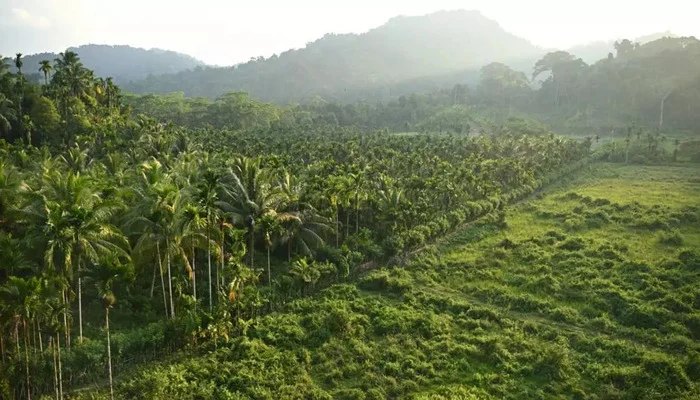
Critics argue that the project will come at a heavy environmental cost. Reports suggest that large areas of pristine tropical rainforest will be cleared for construction, including roughly 160 square kilometres of forest land.
Environmental groups warn that this region is ecologically sensitive and home to rare biodiversity. The island’s dense forests are considered among the most untouched ecosystems in India.
Opposition leader Rahul Gandhi strongly criticised the project, calling it one of the “gravest crimes against natural and tribal heritage” and warning that millions of trees could be cut down.
Impact on Indigenous Communities
One of the most sensitive aspects of the project is its impact on Indigenous populations.
Around 9,000 people live on the island, including approximately 1,200 Indigenous residents, such as the Nicobarese and the Shompen communities. The Shompen are especially vulnerable, as they are a largely uncontacted hunter-gatherer group that avoids outside interaction.
Rights organisations like Survival International have warned that large-scale development could seriously threaten their survival, culture, and way of life.
Government’s Position
The Indian government, led by Prime Minister Narendra Modi, maintains that the project is essential for:
- Strengthening India’s maritime presence
- Enhancing national security
- Boosting economic development in a strategically important region
India’s environmental tribunal approved the project earlier in February, despite ongoing concerns raised by activists and opposition leaders.
Environment officials have also stated that the project has been designed in a way that will not significantly harm tribal communities or the region’s ecological balance.
Growing Debate Over Development vs Environment
The project has sparked a broader national debate in India over how to balance economic development, strategic interests, and environmental protection.
Supporters see Great Nicobar as a gateway to global trade opportunities, while critics warn that irreversible ecological damage and displacement of Indigenous groups could outweigh the benefits.
As discussions continue, the future of the project remains a major point of political and environmental contention.