Indirect negotiations between the United States and Iran concluded in Doha this week, with mediators from Qatar and Pakistan reporting positive progress as both sides continue efforts to reduce tensions and pursue a longer-term diplomatic settlement.
The latest round of talks comes after the two countries agreed in June to a memorandum of understanding (MoU), brokered by Qatar and Pakistan, that established a 60-day ceasefire following months of conflict. The agreement also paved the way for discussions on broader political, security, and economic issues, including the future of the Strait of Hormuz, reconstruction assistance for Iran, and Tehran’s nuclear programme.
What Was Discussed in Doha?
Following Wednesday’s negotiations, Qatar and Pakistan issued a joint statement saying separate meetings with U.S. and Iranian delegations had resulted in “positive progress.”
Iran’s delegation, led by Deputy Foreign Minister Kazem Gharibabadi, said the two sides agreed to establish a communication channel to report and document any alleged violations of the June memorandum.
According to Gharibabadi, discussions also covered Iran’s frozen overseas assets. He said negotiators reviewed the use of part of an initial $6 billion package and agreed that essential goods required by Iran would be procured under the arrangement.
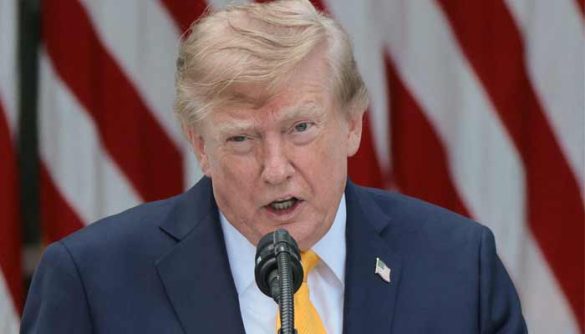
Speaking to reporters before departing Washington, U.S. President Donald Trump said progress was being made, stating that discussions regarding Iran’s denuclearisation were “moving along well.”
According to a source familiar with the negotiations, discussions in Doha focused primarily on arrangements concerning the Strait of Hormuz, while more detailed talks on Iran’s nuclear programme are expected in future rounds.
Next Round to Be Held After Funeral
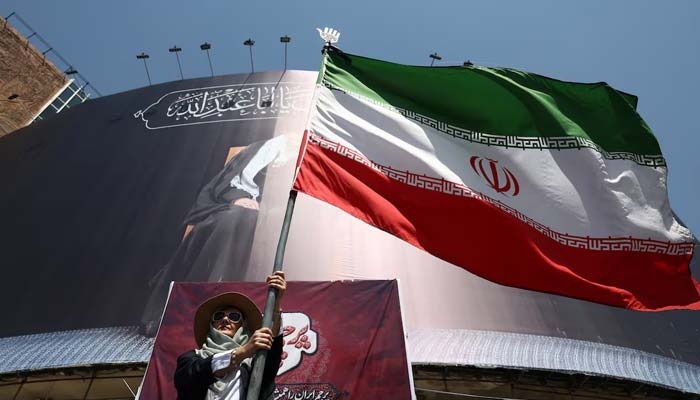
Mediators said both sides agreed to continue negotiations, with the next meeting expected after the funeral of Iran’s late Supreme Leader.
According to Iranian state media, Ayatollah Ali Khamenei was killed on February 28 during the opening day of Israeli and U.S. military strikes on Iran. His public funeral is scheduled to begin in Tehran on July 5, after which diplomatic discussions are expected to resume.
Neither Qatar nor Pakistan announced a specific date for the next round of talks.
US and Iran Delegations Head to Doha as Uncertainty Clouds Prospects for Direct Talks
Regional Tensions Continue
Although the June memorandum established a ceasefire, tensions have not completely subsided.
Recent days have seen both Washington and Tehran accuse each other of military actions in the Gulf. The U.S. Central Command said it carried out strikes against Iranian military targets in response to what it described as continued threats to commercial shipping.
Iran, meanwhile, said it responded by launching strikes against U.S. military facilities in Kuwait and Bahrain. Both Gulf states condemned the reported attacks.
Despite these incidents, the frequency of military exchanges appeared to decline in the days leading up to the latest negotiations in Doha.
Wider Regional Issues Remain on the Agenda
The talks are taking place against the backdrop of broader regional tensions.
In Lebanon, cross-border hostilities between Israel and Hezbollah have eased compared with earlier months, although isolated security incidents continue to be reported.
Iran has maintained that any comprehensive regional agreement should also address the conflict in southern Lebanon, including the withdrawal of Israeli forces from areas they continue to control.
While the latest Doha negotiations did not produce a final agreement, statements from the mediators suggest both Washington and Tehran remain committed to continuing indirect diplomacy. With additional rounds of talks expected after the funeral ceremonies in Iran, attention will now turn to whether negotiators can translate recent progress into a broader and more durable agreement.