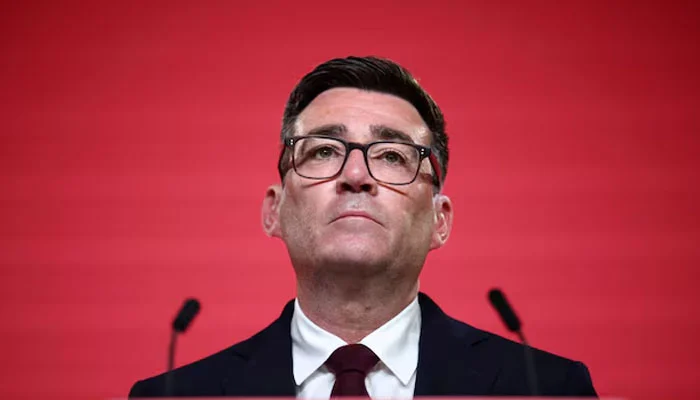
Andy Burnham officially became the United Kingdom’s new prime minister on Monday after Keir Starmer stepped down as Labour leader and prime minister.
Following Starmer’s farewell speech outside 10 Downing Street, Burnham met King Charles III, who formally invited him to form a new government.
The 56-year-old former Mayor of Greater Manchester is Britain’s seventh prime minister in a decade.
Promise to ‘Rewire’ Britain
In his first remarks as Labour leader, Burnham pledged to “rewire” Britain, promising sweeping reforms aimed at improving living standards and addressing issues that directly affect people’s daily lives.
He said his government would focus on tackling the cost-of-living crisis, boosting economic growth and improving public services.
Burnham described his election as “the most significant change moment in our politics for 40 years” and promised to outline his government’s direction in the coming days.
Cabinet Takes Shape
One of Burnham’s first major tasks is selecting his cabinet, with particular attention on the appointment of the next finance minister.
Energy Secretary Ed Miliband was initially viewed as a leading contender, but recent reports suggest Home Secretary Shabana Mahmood has emerged as a strong candidate for the role.
Burnham has urged Labour members to ignore speculation, saying no final decisions have yet been made.
Early Policy Moves
The new prime minister’s team is expected to move quickly on its policy agenda.
One of the first decisions announced was the cancellation of plans to introduce digital identity documents for all employees, a proposal originally designed to help tackle illegal migration but criticised by lawmakers.
Attention is also expected to focus on Burnham’s approach to taxation, public spending, energy policy and the future of Britain’s utility companies.
Focus on Public Services
Burnham has repeatedly argued for stronger public oversight of underperforming utility companies.
Labour Deputy Leader Lucy Powell suggested that financially troubled Thames Water could be placed under special government measures, allowing closer state control over its operations.
She said Burnham’s priority is to redirect government resources towards easing the cost-of-living crisis and reshaping the economy to better serve households across the country.
Challenges Ahead
Burnham takes office at a time of significant economic and political challenges, including sluggish growth, pressure on public services and rising household costs.
His leadership will be closely watched as he seeks to deliver on promises of economic reform, improve living standards and strengthen Labour’s position against opposition parties in the years ahead.