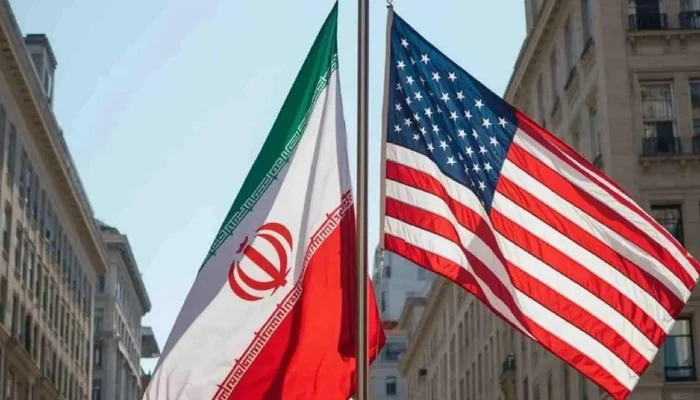
DUBAI/WASHINGTON: Diplomatic efforts to end the US-Iran war remain deadlocked, raising concerns that the conflict could enter another cycle of escalation as tensions continue to surround the strategically important Strait of Hormuz.
A senior Iranian source told Reuters that there had been no meaningful progress towards reviving an interim agreement reached in June or establishing a timeline for fulfilling its commitments.
The latest developments came after fresh attacks on commercial shipping in the region and renewed criticism from US President Donald Trump, further weakening hopes of a permanent settlement.
US and Iran remain divided over ceasefire deal
The June agreement called for an “immediate and permanent termination of military operations on all fronts” and established a 60-day period for Washington and Tehran to negotiate a longer-term arrangement.
However, the agreement quickly began to unravel.
Trump declared the deal “over” on July 7, while Iran’s Foreign Ministry said a week later that it had been suspended.
Washington has accused Tehran of failing to fulfil its commitment to reopen the Strait of Hormuz. Iran, meanwhile, says the United States failed to meet its own obligations, including lifting a blockade of Iranian ports and releasing frozen Iranian assets.
According to the Iranian source, mediators have discussed returning to the interim agreement and setting a timetable for implementing its provisions, but no progress has been made.
Trump claims US controls Strait of Hormuz
Trump said Wednesday that the United States has “total control” of the Strait of Hormuz, one of the world’s most important energy routes.
Iran’s Persian Gulf Strait Authority, however, said the waterway remains closed and would not be reopened until Tehran’s conditions are met.
The disagreement has become one of the biggest obstacles to a broader settlement.
Trump has repeatedly alternated between threatening further military action and suggesting that a diplomatic agreement could be reached, creating uncertainty over Washington’s next move.
Iran rejects reports of ceasefire extension
The June agreement established a 60-day period that could be extended if both sides agreed.
However, the Iranian source rejected a report by Turkey’s Anadolu news agency claiming that Pakistan had agreed with the parties to extend the period.
According to the Iranian position, there is no period to extend because Tehran believes the United States violated the agreement shortly after it was reached.
The disagreement highlights how far apart the two sides remain over even the basic terms of the earlier ceasefire arrangement.
Trump shifts focus to economic pressure as Iran faces mounting sanctions
Fresh attacks increase regional tensions
The diplomatic deadlock has been accompanied by renewed violence.
Thousands of people have been killed in the conflict, mainly in Iran and Lebanon, since the United States and Israel launched attacks on Iran on February 28.
Iran has also carried out attacks against US-linked assets and infrastructure in several countries across the region.
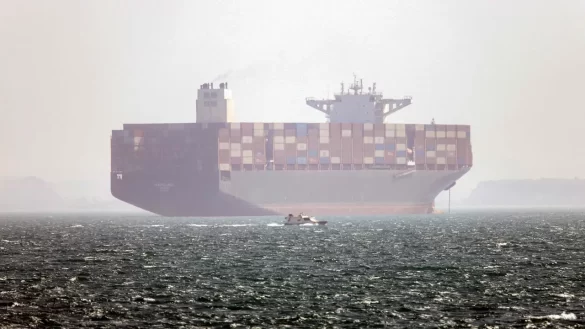
On Tuesday, a suspected Houthi attack on a cargo vessel in the Bab el-Mandeb Strait killed four crew members, according to reports. Separately, the US military said an American Navy helicopter fired two Hellfire missiles to disable the steering system of a Panama-flagged cargo ship.
The incidents have added to concerns about the safety of commercial shipping through key regional waterways.
Why the Strait of Hormuz matters
The Strait of Hormuz, located between Iran and Oman, connects the Persian Gulf with the Gulf of Oman and the wider Arabian Sea.
Before the war, the waterway carried roughly one-fifth of global oil and liquefied natural gas supplies, making any prolonged disruption a major concern for energy markets.
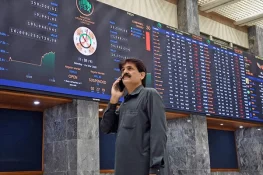
Brent crude prices surged to around $126 a barrel after the conflict began, although prices have since fallen amid changing expectations about supply and demand.
On Wednesday, Brent crude was trading around $88 a barrel, while US West Texas Intermediate was around $83.
With diplomacy stalled and shipping attacks continuing, the possibility of further escalation remains a major concern for both regional stability and global energy markets.