Around one-third of the world’s population has been exposed to extremely high levels of ozone pollution this year, with heatwaves, wildfires and human-caused emissions worsening air quality across several regions, according to a new European Union analysis.
The Copernicus Atmosphere Monitoring Service (CAMS) examined air pollution trends during the first eight months of 2026 and highlighted the growing connection between climate change and air quality.
Ground-level ozone forms when sunlight and heat react with pollutants released by vehicles, industries and wildfires. High ozone exposure can damage lung tissue, cause breathing difficulties, trigger asthma attacks and contribute to other health problems.
Asia records highest exposure
According to the report, 34% of the global population was exposed to “extremely poor” air quality between January 1 and September 15, with ozone concentrations well above World Health Organization exposure guidelines.
Another 17% experienced “very poor” ozone conditions, while only 5% of the global population was exposed to ozone levels classified as “good.”
Asia recorded the highest proportion of people exposed to extremely poor ozone levels, with 53% of its population affected. Another 22% experienced very poor ozone conditions.
The report attributed the region’s high pollution levels to industrialisation, economic activity, transport emissions, wildfires and the burning of agricultural residue.
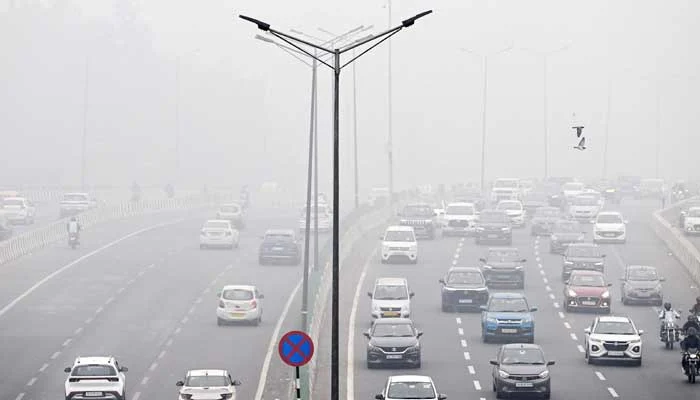
Cities including New Delhi, Dhaka, Chongqing in China and Pakistan’s Lahore were among those recording extremely poor ozone levels.
Heatwaves and wildfires worsen pollution
The analysis found that record-breaking heatwaves and major wildfires in Europe and North America contributed to elevated ozone pollution during the year.
Indonesia also experienced significant wildfires, while the warming El Niño weather pattern could increase the risk of further fires in Southeast Asia later this year.
CAMS Director Laurence Rouil warned that air pollution can travel thousands of kilometres across national borders, affecting air quality far from where pollutants are initially produced.
The monitoring service uses satellite observations and computer models to track pollution and wildfire activity around the world.
Lahore Ranks Second Among World’s Most Polluted Cities as Air Quality Worsens
Europe and North America face continued risks
Around two-thirds of the population in North America and 45% of people in Europe were exposed to poor or very poor ozone conditions.
The report said European Union regulations have helped reduce several major air pollutants, although ozone has proved more difficult to control because its formation is strongly influenced by weather and climate conditions.
Ian Marnane of the European Environment Agency said ozone pollution is associated with around 60,000 premature deaths annually in Europe.
In North America, ozone levels remained relatively unchanged despite efforts to reduce emissions.
Africa and South America see mixed conditions
In Africa, forest fires, agricultural burning and household cooking emissions were identified as significant contributors to air pollution. Saharan dust can also travel long distances, including into Europe.
About 8% of Africa’s population experienced extremely poor air quality this year, while 19% faced poor or very poor conditions.
South America recorded significant ozone pollution in parts of Brazil. Ozone levels were very high in São Paulo and extremely elevated in Rio de Janeiro, although 81% of the continent’s population experienced good or fair air quality.
Oceania recorded the most favourable conditions among the regions covered by the report, with 66% of the population experiencing good ozone levels and the remaining 34% living under fair conditions.