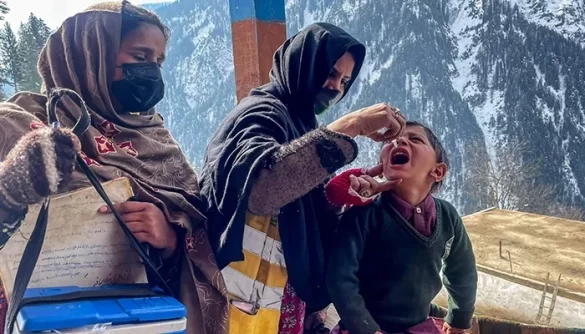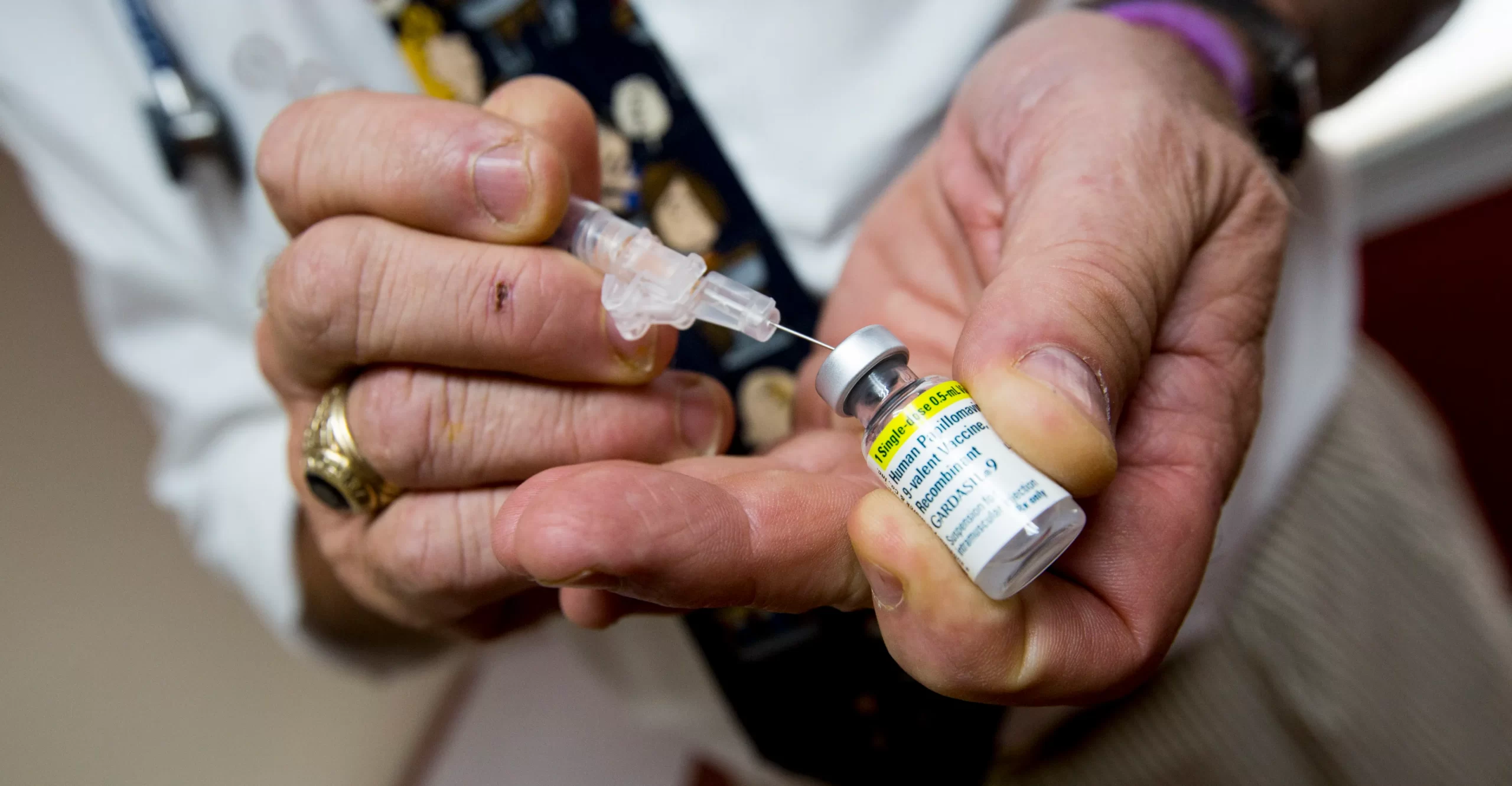
PESHAWAR: Health authorities in Khyber-Pakhtunkhwa (K-P) are preparing to launch the province’s first large-scale human papillomavirus (HPV) vaccination campaign, but convincing parents to vaccinate their daughters could prove as challenging as delivering the vaccine itself.
The campaign aims to protect approximately 2.9 million girls aged nine to 14 against cervical cancer, with vaccination scheduled from November 2 to November 14. However, health officials and medical experts acknowledge that addressing public concerns, countering misinformation and building trust within communities will be essential to reaching the target.
Cervical cancer is primarily caused by persistent infection with HPV, a virus transmitted through sexual contact. The disease claims more than 350,000 lives worldwide each year. In Pakistan, estimates suggest more than 5,000 new cases and over 3,000 deaths annually, highlighting the importance of prevention and early detection.
K-P prepares to vaccinate 2.9 million girls
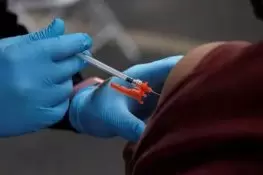
The K-P Health Department plans to administer the HPV vaccine to approximately 2.9 million eligible girls during the November campaign.
The target includes around 1.6 million school-going girls and 1.3 million girls who are not enrolled in schools. Reaching both groups will require coordinated efforts by vaccination teams, schools, health facilities and community representatives.
The campaign follows the introduction of HPV vaccination in Punjab and Sindh a year earlier. Its expansion to K-P marks another step in efforts to protect girls against a disease that can have devastating consequences.
However, the success of the initiative will depend not only on vaccine availability and logistical arrangements but also on whether parents feel sufficiently informed and confident to give consent.
Vaccine hesitancy remains a major challenge
Vaccine hesitancy has long been a concern in K-P, particularly because of the province’s difficult history with polio vaccination campaigns.
Controversies surrounding the polio programme, including its association with a CIA operation that used a fake vaccination campaign, contributed to mistrust among some communities. Refusals during polio drives remain a concern, while vaccination workers have also faced security threats in several areas.
Health officials now face the challenge of ensuring that similar suspicions do not undermine the HPV campaign.
The issue is particularly sensitive because the vaccine is intended for girls aged nine to 14 and protects against a virus associated with sexual transmission. Experts warn that limited awareness of cervical cancer, cultural sensitivities surrounding reproductive health and misinformation about vaccines could discourage some families from participating.
Nevertheless, attitudes among parents vary. While some remain concerned about vaccine safety and possible side effects, others view immunisation as an important preventive measure, particularly if they have witnessed the effects of cervical cancer firsthand.
Father urges parents to protect their daughters
Bashir Khan, who lost his wife to cervical cancer, said he intended to have both his daughters vaccinated.
His experience with the disease has strengthened his belief in the importance of prevention and early protection.
“Losing my wife has made me particularly conscious of the importance of prevention. Parents should understand the importance of protecting their children from a disease that can have devastating consequences,” Khan said.
His account highlights how personal experiences with serious illness can influence attitudes towards vaccination and encourage other families to consider preventive healthcare.
For parents who have seen the consequences of cervical cancer, the vaccine represents an opportunity to reduce the risk of their daughters developing the disease later in life.
Parents raise concerns about vaccine safety
Not all families are convinced, however. Some parents remain concerned about possible reactions, the training of vaccination teams and the safety of administering the vaccine to young girls.
Shamaila Bibi said she wanted assurances that vaccination teams were properly trained and that any potential side effects would be addressed appropriately.
“The problem here is that people often become suspicious even about something positive. If, God forbid, something happens to a girl after vaccination, no parent would want to vaccinate their daughter,” she said.
Such concerns underline the importance of providing clear, accessible information about the vaccine, explaining expected side effects and ensuring that parents know where to seek medical advice.
Health experts say dismissing public concerns or allowing rumours to spread unchecked could further weaken confidence in the campaign.
Punjab Launches School-Based HPV Vaccination Drive to Prevent Cervical Cancer
Paediatric experts emphasise vaccine safety
Dr Bawar Shah, president of the Pakistan Paediatric Association’s K-P chapter, said the HPV vaccine was safe and had been administered in countries around the world.
He stressed that vaccination offered an important means of preventing cervical cancer as the disease continued to pose a significant health challenge in Pakistan.
“Cervical cancer is increasing rapidly in Pakistan and vaccination offers an important means of preventing the disease. If parents have any questions or concerns, they should discuss them with the Health Department’s vaccination teams and seek clarification,” Shah said.
Medical experts emphasise that HPV vaccination works best as a preventive measure when administered before exposure to the virus. Protecting girls during the recommended age range can therefore help reduce their future risk of developing HPV-related disease.
Awareness campaign targets schools, mosques and communities
Health authorities say they are working to address misinformation before the vaccination drive begins.
Asad Zia, assistant director of the Expanded Programme on Immunisation (EPI) and head of the Social and Behaviour Change Cell at the Directorate General of Health Services in K-P, said awareness activities were being conducted in schools, mosques and local communities.
According to Zia, health teams are also visiting areas where residents have expressed concerns about the campaign.
During a recent visit to the remote Kurram district, officials met religious scholars, community leaders and residents to answer questions and address misconceptions about the vaccine.
Engaging trusted local figures could help health authorities explain the purpose of HPV vaccination in ways that reflect community concerns and cultural sensitivities.
Such outreach will be particularly important for reaching girls who are not enrolled in schools, as their families may have fewer opportunities to receive information through formal educational channels.
Building trust will be crucial to the campaign
K-P’s HPV vaccination drive faces a challenge that extends beyond healthcare logistics. Authorities must reach millions of eligible girls while addressing public mistrust, misinformation and sensitivities surrounding female reproductive health.
Experts say direct communication, transparent information about vaccine safety and engagement with parents and community leaders will be essential to building confidence.
The campaign’s success will ultimately depend on whether families understand the risks of cervical cancer and recognise the role vaccination can play in prevention.
As the November 2 launch approaches, health authorities must ensure that accurate information reaches parents across the province, particularly in communities where vaccine hesitancy remains deeply rooted. Protecting girls against cervical cancer will require not only trained teams and sufficient vaccine supplies but also sustained public engagement and trust.