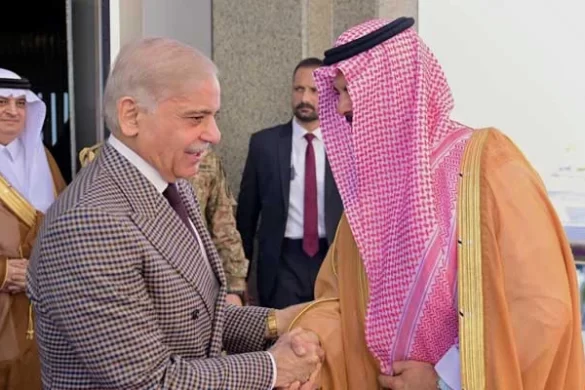
Pakistan has warned that any direct or indirect attack on any member of the Makkah Joint Defence Agreement (MJDA) would trigger a collective response from the three member states.
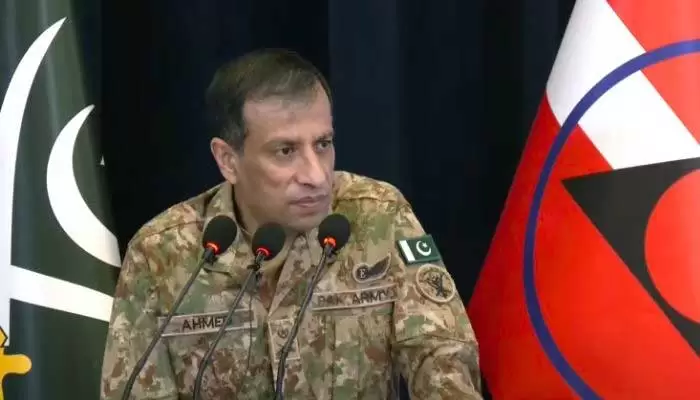
Director General of Inter-Services Public Relations (DG ISPR) Lt Gen Ahmed Sharif Chaudhry said the agreement was purely defensive and carried “no offensive intent”.
Speaking to Independent Arabia, Chaudhry said the pact was designed to create collective deterrence and send a clear message to any actors seeking to create instability or chaos in the region.
DG ISPR Warns of Collective Response
Chaudhry said the agreement meant that an attack against any one of its three members would be treated as a matter requiring a collective response.
“So once you have this collective deterrence, what it does is that it gives a very strong and clear message to those elements of instability, of chaos in the region, that if you directly or indirectly wage this war against any of these three countries, then the response will be collective,” he said.
He stressed that the agreement should not be interpreted as an offensive military arrangement, reiterating that its purpose was collective defence.
The warning comes amid heightened regional tensions and growing concerns over attacks affecting Saudi Arabia and other countries in the Middle East.
Pakistan Reaffirms Support for Saudi Arabia
The DG ISPR also reaffirmed Pakistan’s commitment to Saudi Arabia’s sovereignty and territorial integrity, particularly the security of Islam’s two holiest sites.
“Saudi Arabia’s sovereignty, territorial integrity, and the security of the two holy mosques are non-negotiable and non-compromise,” Chaudhry said.
He added that the security of the Haramain Sharifain remained an absolute priority for Pakistan.
Makkah defence pact is defensive, has no regional aspirations: ISPR chief
“The Saudis’ sovereignty and territorial integrity, security, and foremost, the security of the Haramain Sharifain is paramount. It’s non-negotiable. It’s absolute as far as Pakistan is concerned,” he said.
Chaudhry said Pakistan was already providing the military support required by Saudi Arabia and would continue to provide assistance where needed.
“Whatever support is needed to do that is being provided and will be provided,” he said.
Pakistan Open to Reviewing Yemen Request
Asked about the possibility of Pakistan providing direct military assistance to the internationally recognised Yemeni government, Chaudhry said he was unaware of whether Islamabad had received a formal request.
However, he said Pakistan would examine any official request and make a decision based on the circumstances.
“I don’t know whether we’ve received a request or not, but if there is a request submitted to Pakistan, we will study it and make the appropriate decision regarding it,” he said.
Defensive Pact Amid Regional Tensions
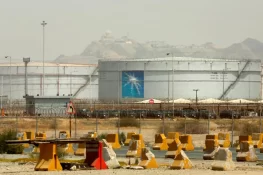
The comments come as the Middle East faces heightened security tensions, with attacks involving Yemen’s Houthi movement and other regional actors raising concerns about the security of Saudi Arabia and vital regional infrastructure.
Pakistan’s position, as outlined by the DG ISPR, is that the Makkah agreement is intended to strengthen collective deterrence and defence rather than facilitate offensive military operations.
The emphasis on the security of Saudi Arabia and the two holy mosques also underlines the importance Islamabad places on the kingdom’s territorial integrity and the protection of the holy sites.