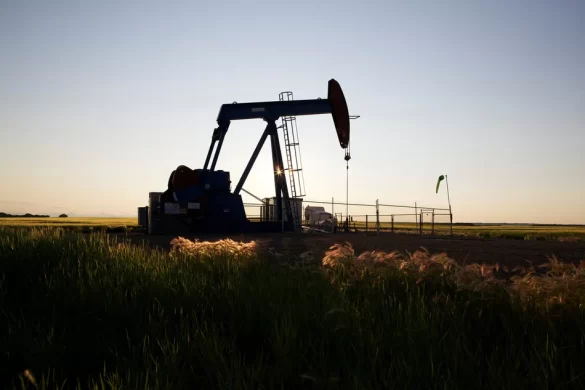
Oil prices fell by more than 1% on Thursday as investors weighed the risk of supply disruptions from attacks on shipping near the Strait of Hormuz against possible US measures to ease petroleum transportation costs.
Brent crude futures declined by $1.64, or 1.6%, to $104.42 a barrel, while US West Texas Intermediate (WTI) crude futures fell by 98 cents, or 1%, to $94.11 a barrel. Both benchmarks reversed gains recorded during the previous trading session.
Despite the decline, tensions in the Middle East continued to threaten shipping routes and energy supplies, keeping market participants alert to developments that could trigger further price fluctuations.
Strait of Hormuz Attacks Keep Supply Concerns Alive
Oil markets have remained sensitive to security threats around the Strait of Hormuz, a critical route for global energy shipments.
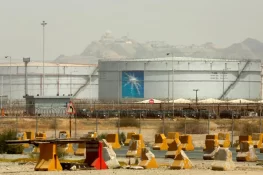
WTI had climbed to a three-week high in the previous session following reports of Houthi attacks on Saudi Aramco’s headquarters and Iran’s announcement that it was deploying new tactics to target ships passing through the strait.
Maritime officials said a container ship and a dry bulk carrier sank near the waterway within 24 hours after being struck by projectiles in separate incidents.
Attacks around the strait have intensified over the preceding 10 days, with Iran saying it was increasing strikes in response to a US blockade of its ports and tighter sanctions introduced the previous month.
The continuing disruption has affected shipping operations and pushed freight costs to record levels, adding pressure to international energy markets.
US Considers Easing Sanctions on Oil Tankers
The administration of US President Donald Trump is considering easing sanctions on certain vessels associated with the so-called shadow fleet to help reduce petroleum shipping costs, a US official said.
These vessels have transported crude oil and petroleum products from countries including Russia, Iran and Venezuela despite existing restrictions.
The discussions reportedly focus on potentially allowing what the official described as legal oil to move aboard vessels that had previously faced sanctions.
Any relaxation could help increase the availability of tankers and ease logistical pressures. However, the potential policy change comes amid continuing regional tensions and uncertainty over the security of major shipping routes.
Oil Prices Rise as Iran Deploys New Tactics Against Ships in Hormuz
Russian and Middle Eastern Supply Offers Some Relief
Higher oil output from Russia and parts of the Middle East has helped limit upward pressure on prices despite the ongoing conflict.
The International Energy Agency (IEA) reported that Russian crude oil production increased by 65,000 barrels per day in September to 8.43 million barrels per day. However, production remained 870,000 barrels per day below the level recorded a year earlier.
The agency also reported that crude oil exports from Middle Eastern Gulf producers increased by 4.4 million barrels per day in September, reaching around 75% of their prewar levels.
Market analysts said alternative transportation routes and logistical arrangements had helped maintain oil deliveries despite the disruption.
Phillip Nova’s head of market insights, Priyanka Sachdeva, said oil was continuing to reach buyers through alternative routes even though there was little concrete evidence of an imminent peace agreement.
She noted that these arrangements had prevented a more severe supply shock but involved higher costs and left global oil flows vulnerable to further disruption.
US Crude Inventories Record a Sharp Decline
In the United States, crude oil and distillate inventories declined last week, while gasoline stocks increased, according to data from the American Petroleum Institute cited by market sources.
US crude inventories fell by 11.1 million barrels in the week ended October 9, a significantly larger decline than analysts surveyed by Reuters had expected.
Despite the substantial drawdown, oil prices showed little reaction to the figures.
Haitong Futures said the market’s limited response to the inventory decline suggested investors were reluctant to push prices higher at current levels.
The US Energy Information Administration’s official inventory figures were scheduled for release at noon on Thursday, following a one-day delay linked to the Columbus Day holiday.
Oil Market Outlook Remains Uncertain
Oil prices continue to reflect competing pressures. Security threats around the Strait of Hormuz and disruptions to shipping are raising concerns about supply, while increased production, alternative transport routes and possible US sanctions relief are offering some counterbalance.
The direction of prices will depend partly on developments in the Middle East, the availability of oil shipments and the extent to which global supply chains can continue operating despite higher transportation costs.
For now, the latest decline suggests investors are weighing the risk of further disruption against signs that oil is still reaching international buyers through alternative channels.