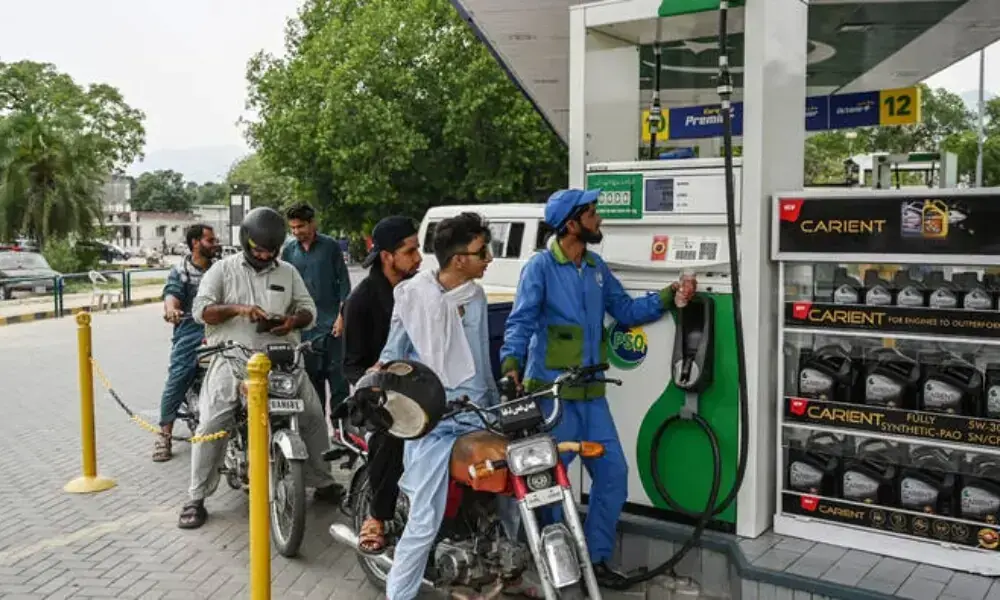
The federal government on Monday reduced petrol and high-speed diesel (HSD) prices by Rs5.16 and Rs7.69 per litre, respectively, for October 20, offering some relief to consumers amid continued volatility in international oil markets.
According to a notification issued by the Petroleum Division, the price of petrol has been fixed at Rs381.14 per litre, while high-speed diesel will be available at Rs389.27 per litre.
The latest reduction follows an earlier cut of Rs3.93 per litre in petrol prices, while the government kept diesel prices unchanged for the period from October 17 to October 19.
Government Continues Daily Fuel Price Reviews
The latest adjustment comes under the daily petroleum pricing mechanism introduced by the government on July 17, replacing the previous weekly review system.
The change was introduced amid renewed tensions between the United States and Iran, which have contributed to uncertainty in global energy markets and raised concerns about petroleum supplies.
Under the mechanism, the government reviews and notifies fuel prices daily in response to changing international market conditions.
Pakistan remains vulnerable to fluctuations in global oil prices because it imports a substantial portion of its petroleum requirements. Changes in international crude prices, shipping costs and supply conditions can therefore affect domestic fuel prices.
Rs100 Per Litre Relief Scheme for Motorcycles and Small Cars
On September 13, Prime Minister Shehbaz Sharif announced a special relief scheme offering a subsidy of Rs100 per litre on petrol for motorcycles, three-wheeler rickshaws and cars with engine capacities of up to 800cc.
The proposed programme was designed to reduce the burden of rising fuel costs on lower-income households and small vehicle users.
According to the announced plan, approximately 11.8 million beneficiaries would qualify for assistance.
Around 10 million motorcycle users and 800,000 three-wheeler users would be eligible for relief on up to 20 litres of petrol per month, providing a maximum monthly benefit of Rs2,000 per beneficiary.
Another one million users of cars with engine capacities of up to 800cc would qualify for relief on up to 30 litres per month, equivalent to a maximum benefit of Rs3,000 each.
Fuel Conservation Measures Remain in Focus
The government also reintroduced austerity and fuel conservation measures on September 17 amid concerns about rising petroleum costs.
Under the notified restrictions, shops, markets, shopping malls, bazaars, departmental stores, grocery stores and general stores were directed to close by 9pm throughout the week.
Marriage halls, marquees and other commercial venues hosting events were required to close by 10pm, while restaurants, cafes, eateries and food outlets were allowed to operate until 11pm. Takeaway and home delivery services were exempt from the timing restrictions.
The measures formed part of broader efforts to conserve energy and manage the economic impact of higher fuel costs.
Government cuts petrol price by Rs1.49, HSD by Rs2.73 per litre
Global Oil Prices Remain Sensitive to Regional Tensions
International oil prices continue to be influenced by geopolitical developments, production decisions by OPEC+, sanctions affecting oil-producing countries and disruptions to major shipping routes, including the Strait of Hormuz and the Red Sea.
Brent crude futures edged higher on Monday following reports of Houthi attacks on Yemeni military facilities and claims of further attacks on Saudi energy, airport and military targets.
Brent rose 17 cents, or 0.15%, to $110.03 per barrel at 1:08pm ET, according to the figures cited in the original report. Prices had fallen by more than $3 earlier in the session as investors took profits following the previous week’s rally to a five-month high.
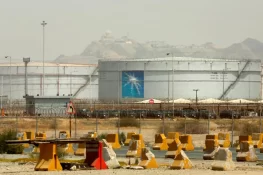
Yemen’s Houthi group said it had targeted several Saudi locations, including an Aramco facility in Yanbu, the Shaybah oilfield, King Khalid International Airport in Riyadh and Abha airport.
Saudi authorities had not immediately confirmed the claims, and Reuters said it could not independently verify them.
Separately, Iran’s Revolutionary Guards said an oil tanker caught fire and exploded after striking a naval mine in the southern Strait of Hormuz on Sunday, according to Iranian media reports.
Strait of Hormuz Disruptions Add to Supply Concerns
Analysts have warned that continued attacks on vessels and reduced shipping flows through the Strait of Hormuz could keep pressure on global oil prices.
UBS analyst Giovanni Staunovo said ongoing strikes against vessels transiting the waterway, combined with shipping volumes remaining below pre-conflict levels, continued to support prices.
For Pakistan, sustained increases in international oil prices could raise import costs and place additional pressure on the domestic economy. The latest reductions in petrol and diesel prices provide some immediate relief, although future adjustments will depend on international market movements and the government’s daily pricing decisions.