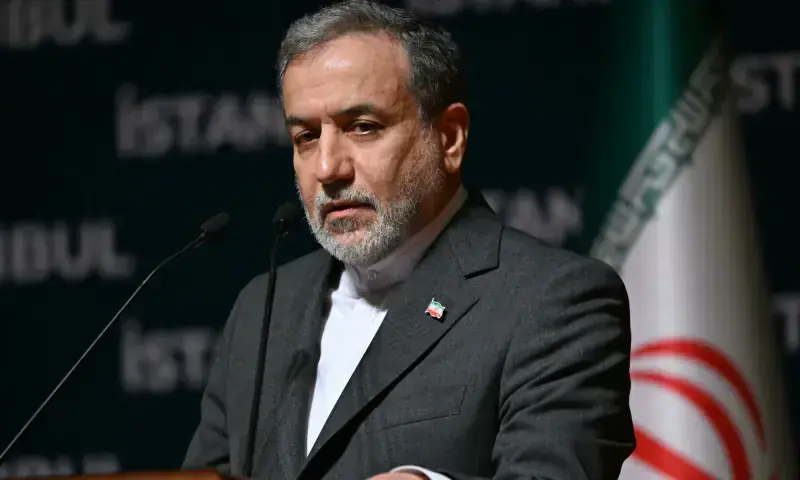
Iranian Foreign Minister Abbas Araghchi has confirmed that talks with Saudi Arabia are continuing as Tehran seeks new regional security arrangements without the involvement of foreign military forces.
The diplomatic efforts come as negotiations between Iran and the United States remain far from producing an agreement to end the conflict, according to a senior Iranian official who spoke to Reuters on Tuesday.
Despite ongoing exchanges of messages through intermediaries, Tehran and Washington have yet to bridge major differences over the terms of a possible settlement.
Iran Seeks Regional Security Cooperation
Araghchi said Iran was pursuing discussions with regional countries to develop security arrangements based on cooperation among states in the region rather than foreign military involvement.
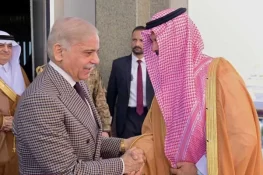
The diplomatic engagement comes after senior officials from Saudi Arabia, Turkiye and Pakistan met Iranian representatives in Tehran last week. It was the first high-level contact between Iran and the three countries since August.
Saudi Arabia said the visit was aimed at opening diplomatic channels and preventing a return to military escalation.
The discussions are taking place amid growing regional tensions following the US-Israeli war against Iran, which began in late February, and the expansion of fighting involving Saudi Arabia and Yemen’s Houthi movement.
Saudi Arabia Faces Rising Houthi Threat
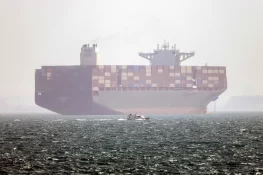
Tensions between Saudi Arabia and the Houthis have intensified in recent weeks as the group has advanced its activities towards the strategically important Bab el-Mandeb Strait.
The waterway is a major international shipping route connecting the Red Sea with the Gulf of Aden and lies on the opposite side of the Arabian Peninsula from the Strait of Hormuz.
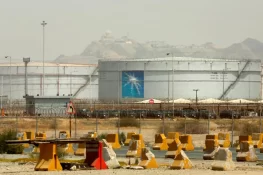
The Houthis have also targeted Saudi oil facilities and airports, including Riyadh’s international airport, disrupting flights and energy exports.
Saudi Arabia has responded with air strikes targeting Houthi resources in Yemen.
Yemen has remained embroiled in civil war since the Houthis seized control of the capital, Sanaa, in 2014, pushing the internationally recognised government out of the city.
US-Iran Negotiations Remain Uncertain
Meanwhile, diplomatic efforts between Washington and Tehran are continuing through intermediaries, with Qatari officials travelling to Tehran on Monday night to discuss a draft agreement.
A senior Iranian official told Reuters that mediators were working to narrow differences between the two sides.
However, the official warned that Tehran’s conditions would have to be met before the Strait of Hormuz could be reopened.
US Strikes Iran’s Qeshm Island as Tehran Reports Downing Two More US Drones
The official also said nuclear negotiations could only begin after the issues surrounding the waterway were addressed, adding that Iran would not accept what it considers excessive American demands.
Iranian Parliament Speaker Mohammad Bagher Ghalibaf said on Tuesday that the next move was now up to Washington after Tehran had delivered what he described as a strong and rational response to the US proposal.
Tehran Warns of Response to Further US Strikes
The senior Iranian official also warned that Tehran would respond forcefully to any further American attacks, including through actions in the region and beyond.
Ghalibaf said Iran would not surrender under military pressure or threats.
He warned that any miscalculation by Washington could trigger an unpredictable Iranian response that would not be limited by geographical boundaries.
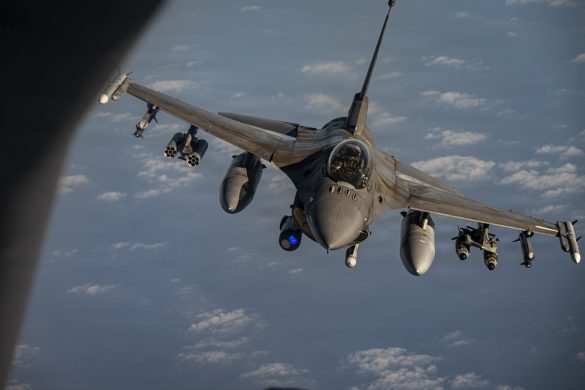
The warning followed US strikes on Iran’s Qeshm Island, which American officials described as defensive operations targeting positions allegedly used to launch surface-to-air missiles against US assets.
The IRGC also claimed that it had downed a US MQ-9 drone over the eastern part of the Strait of Hormuz. The claim had not been independently verified.
Trump Signals Preference for a Possible Deal
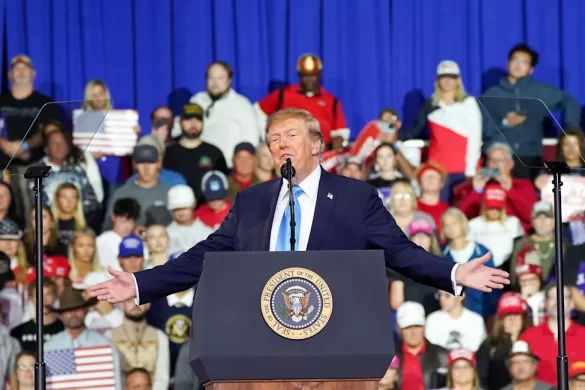
US President Donald Trump expressed doubts on Monday about whether he would resume threatened military strikes against Iran following the US midterm elections.
He also suggested that Tehran wanted to reach an agreement as soon as possible.
The latest diplomatic contacts indicate that regional and international mediators are continuing efforts to prevent another escalation.
However, Iran’s demands over the Strait of Hormuz, disagreements over nuclear negotiations and threats of military retaliation remain major obstacles to a comprehensive settlement.