The Sui Southern Gas Company (SSGC) on Wednesday announced its winter gas supply schedule for domestic consumers, prioritising availability during meal preparation hours in line with directives from the Government of Pakistan.
In a statement posted on X, the company said it was committed to giving priority to household consumers and ensuring gas availability during designated cooking hours.
According to the announced schedule, gas will be available during the following periods:
- Breakfast: 6:30 am to 9:00 am
- Lunch: 12:00 pm to 2:30 pm
- Dinner: 6:00 pm to 9:00 pm
SSGC said the arrangements were designed to manage gas load effectively during winter while maintaining supplies in accordance with government instructions.
Government Announces LPG Reforms
The announcement came a day after the federal government unveiled reforms aimed at opening the liquefied petroleum gas (LPG) sector to competition, improving supplies and controlling profiteering.
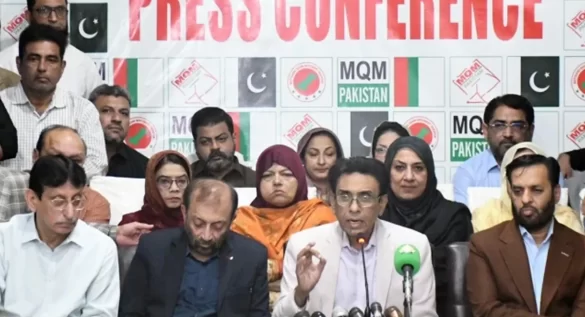
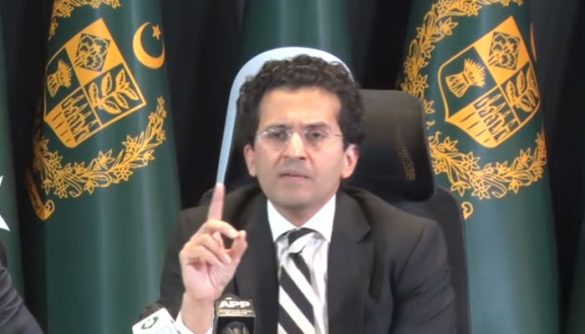
Petroleum Minister Ali Pervaiz Malik, addressing a press conference alongside Information Minister Attaullah Tarar, said Prime Minister Shehbaz Sharif had directed officials to provide maximum relief to low-income households.
The proposed reforms include ending the existing quota-based LPG distribution system, introducing competitive auctions and encouraging public and private companies to import the commodity at competitive prices.
Malik said domestic LPG production stood at approximately 2,000 to 2,500 tonnes per day, while a significant share of demand had traditionally been met through imports from the western border.
Supply disruptions had created opportunities for some market players to sell LPG at prices ranging from Rs700 to Rs800 per kilogramme, he added.
Transparent Auctions and Imports
Under the proposed system, locally produced LPG will be auctioned in transparent lots of five to 10 tonnes among companies licensed by the Oil and Gas Regulatory Authority (Ogra).
The auction results will be made public, with the process monitored by the petroleum secretary and Ogra chairman.
State-owned companies, including Pakistan State Oil, SSGC and Pakistan LNG Limited, have been directed to arrange bulk supplies through government-to-government and business-to-business agreements. Private companies will also be encouraged to import LPG.
Importers will be required to disclose monthly cost details, including Saudi Aramco’s contract price, premiums, freight charges and other expenses, on their websites.
The government also plans to establish price stabilisation and consumer protection funds to help vulnerable households obtain LPG at subsidised rates.
Pakistan secures second Qatari LNG cargo amid gas shortage
Action Against Hoarding
Malik said the government would ensure proper utilisation of the 10% LPG quota reserved for remote and hard-to-reach areas. State-owned companies will be responsible for procuring and distributing supplies allocated for these regions.
The Competition Commission has also been asked to take action against cartelisation and anti-competitive practices, while Ogra will strengthen licensing and audit mechanisms to prevent hoarding and profiteering.
Discussing international prices, the petroleum minister said Saudi Aramco’s contract price had increased from $540 per tonne in March to $756 per tonne, leading to a corresponding revision in domestic LPG prices.
He estimated that the prevailing spot-market price, after including associated costs, stood at Rs450 to Rs500 per kilogramme.
Government Prepares for Winter Demand
The petroleum minister assured consumers that the government would make every effort to meet increased gas demand during winter, particularly at household meal times.
He said domestic demand was expected to rise by 400 to 500 million cubic feet per day, adding that alternative arrangements for imported liquefied natural gas (LNG) would be made to meet requirements.
Information Minister Attaullah Tarar said the government had abolished the LPG monopoly and discretionary quota system to introduce greater transparency and competition.
He also said the prime minister had provided Rs130 billion in subsidies to consumers as part of efforts to offer relief during the energy crisis.
The government has separately announced that oil refineries will bear a cumulative burden of Rs15 billion over 30 days under a revised petrol pricing mechanism, enabling a reduction of Rs14.71 per litre for consumers.
Malik said the new LPG arrangements were expected to become fully operational before winter, with the government aiming to establish a more competitive market offering transparent prices and reliable supplies.