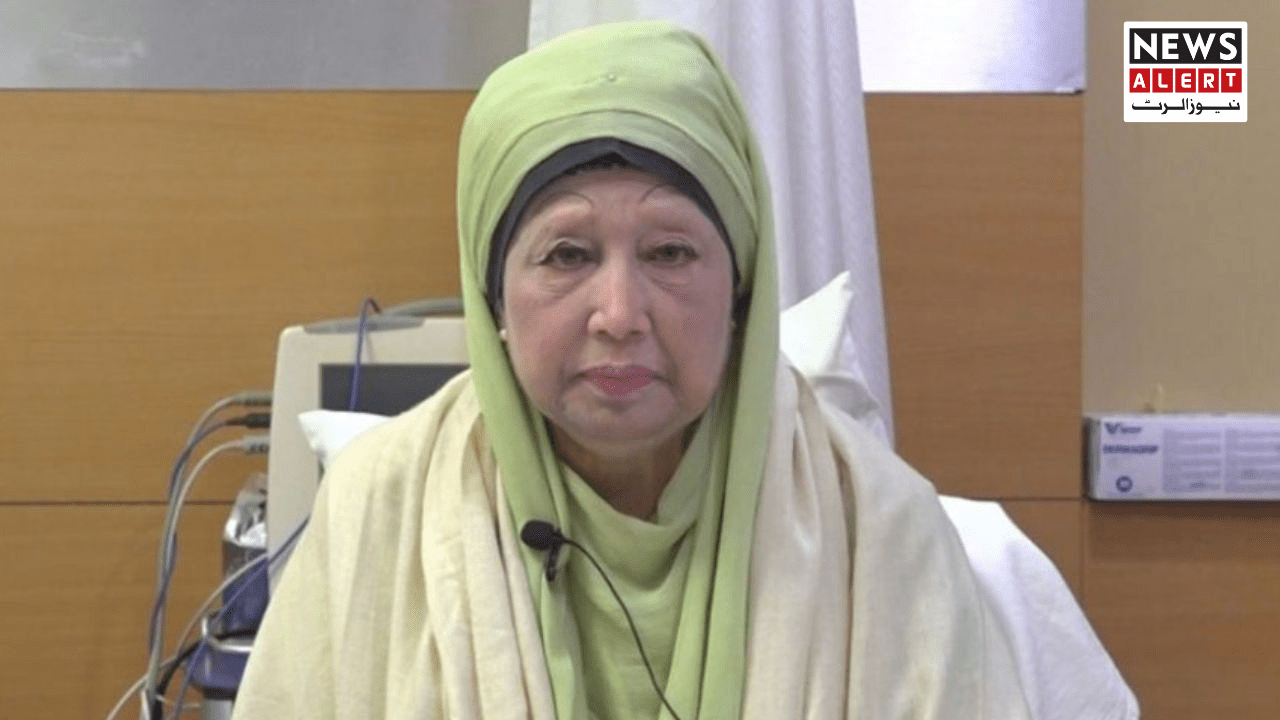
Khaleda Zia’s Health Worsens in Dhaka Hospital
Former Bangladeshi Prime Minister Khaleda Zia faces a serious health crisis after a sudden deterioration forced doctors to shift her to the Intensive Care Unit (ICU) in a Dhaka hospital.
Doctors admitted the 80-year-old Bangladesh Nationalist Party (BNP) chairperson three days ago when she developed strong signs of a lung infection. Her breathing difficulties increased steadily, and her medical team decided on intensive care to ensure round-the-clock treatment.
A group of senior pulmonologists and cardiologists now oversees her care. They monitor her breathing, infection markers, and response to medication throughout the day. Hospital sources say she needs constant supervision because her age and pre-existing health problems increase the risk of complications.
A Veteran Leader With a Long Political Legacy
Khaleda Zia remains one of Bangladesh’s most influential and controversial political leaders. She served as prime minister twice—first from 1991 to 1996 and again from 2001 to 2006. During those years, she played a central role in shaping Bangladesh’s political direction.
Her rivalry with current Prime Minister Sheikh Hasina defined much of the country’s political landscape for decades. Although Zia has stayed out of direct politics since her health declined sharply several years ago, she still commands loyalty from a large section of the BNP.
Her physical condition weakened over the past decade. She has struggled with kidney disease, arthritis, diabetes, and several cardiac concerns. Doctors placed her under hospital care multiple times since 2018, and her medical needs have grown more complex each year.
Messages of Support From Across the Region
Concern spread beyond Bangladesh soon after news of her deteriorating health reached the media. Pakistan’s Prime Minister Shehbaz Sharif expressed his wishes for her recovery through an official message. He said he hoped she would regain her strength quickly and return to stable health.
The BNP responded with public gratitude. In a social media statement, the party said the message from Pakistan’s leader reflects a spirit of warm bilateral relations and deserves appreciation. The gesture also created a rare moment of diplomatic softness between Dhaka and Islamabad, two countries that often maintain cautious ties.
Regional analysts note that such humanitarian exchanges help build bridges, even when political relations remain complex.
Treatment Challenges and Medical Risks
Khaleda Zia’s doctors face several challenges. Lung infections can cause severe stress in elderly patients. When combined with chronic illnesses, the risk increases further. Her team has placed her on strong antibiotics and supportive oxygen therapy. They also track her heart function because respiratory infections can affect cardiovascular stability in older adults.
Specialists say the next few days will be crucial. If her infection responds well to treatment, her condition could stabilize. However, if the infection spreads or her breathing weakens, she may require more invasive procedures.
BNP leaders urged supporters to avoid speculation and rely only on official updates. They also requested prayers and patience while the medical team focuses on her treatment.
Potential Impact on Bangladesh’s Opposition Politics
Her medical crisis arrives at a sensitive moment for Bangladeshi politics. The BNP continues to struggle for political space after recent election boycotts and internal divisions. Although Zia no longer manages party affairs directly, her presence still unifies many BNP members.
Political observers believe her prolonged illness may intensify debates about leadership succession within the party. Several senior BNP leaders have jockeyed for influence in recent years, but none hold the symbolic weight Khaleda Zia still carries.
Looking Ahead
For now, the medical team concentrates on stabilizing her condition. BNP officials remain at the hospital and brief the media with updated information. Supporters gather outside the facility, hoping for positive news.
As the situation develops, both Bangladesh and the wider region watch closely. Khaleda Zia’s health not only concerns her family and party but also holds significant political implications for a country already struggling with deep divisions.