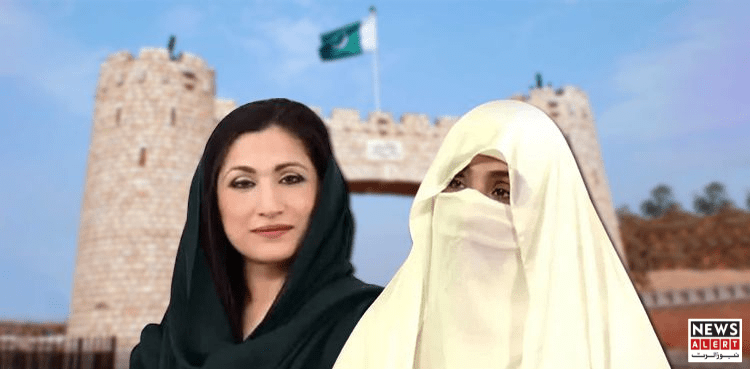
Bushra Bibi, the wife of former Pakistani prime minister Imran Khan, remains in solitary confinement at Adiala Jail, according to her family. Her sister, Maryam Riaz Wattoo, has claimed that prison authorities have denied Bushra Bibi access to her family and lawyers for more than eight weeks.
Maryam Riaz Wattoo shared these allegations in a public statement on the social media platform X. Her remarks have added to growing concerns about the treatment of political detainees in Pakistan, especially those linked to the Pakistan Tehreek-e-Insaf (PTI) party.
Also Read: BUSHRA BIBI FACES BASELESS ACCUSATIONS, SAYS SISTER
Claims of Isolation Inside Adiala Jail
Maryam Riaz Wattoo stated that jail officials have kept Bushra Bibi in complete isolation. She described this treatment as a serious breach of basic human rights. According to her, authorities continue to hold Bushra Bibi alone despite her status as a female detainee with no history of violence.
International human rights standards restrict the use of solitary confinement. The United Nations Standard Minimum Rules for the Treatment of Prisoners, known as the Mandela Rules, warn that prolonged isolation can cause severe mental harm. These rules define solitary confinement beyond 15 consecutive days as potentially cruel or inhuman treatment.
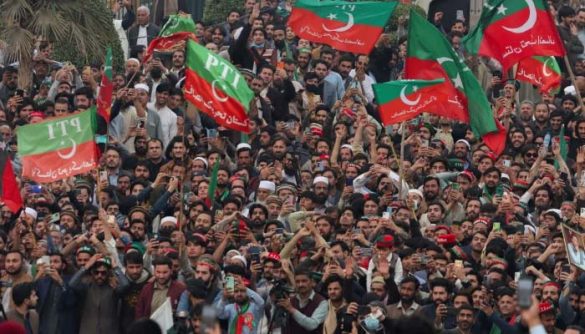
Wattoo questioned whether protesters outside Adiala Jail also needed reminders that Bushra Bibi herself faced isolation inside the prison. Her statement highlighted what she described as selective public attention toward detainees.
Denial of Family and Legal Meetings
Wattoo also claimed that prison authorities have blocked meetings between Bushra Bibi and her family or legal team for over eight weeks. She argued that this restriction directly violates constitutional protections and basic legal rights.
Under Pakistani law, detainees have the right to consult legal counsel and maintain contact with close family members. Legal experts often stress that denying such access can weaken the right to a fair trial. It can also place emotional and psychological strain on prisoners.
So far, prison officials and government representatives have not publicly addressed these specific claims.
Allegations Linked to May 9 Events
Maryam Riaz Wattoo further alleged that authorities have used the violent events of May 9 as justification to pursue what she called false cases against Bushra Bibi and Imran Khan. On May 9, 2023, protests erupted nationwide after the arrest of Imran Khan. Some demonstrations turned violent and damaged state and military installations.
Following those events, law enforcement agencies arrested thousands of PTI supporters across the country. Courts later processed many of these cases under anti-terrorism and public order laws.
Wattoo argued that authorities have misused the May 9 incidents to target political opponents. She said such actions contradict legal principles and violate international human rights norms. The government, however, maintains that it must enforce accountability for the violence that occurred.
Rising Scrutiny of Political Detentions
These allegations come at a time when international attention has increased on Pakistan’s prison system. Human rights groups frequently raise concerns about overcrowding, prolonged detentions, and restrictions on prisoner visits.
According to official figures, Pakistan’s prisons operate far beyond capacity, with occupancy levels exceeding 150 percent in many facilities. Observers argue that such conditions increase the risk of abuse and neglect, especially in high-profile political cases.
Women in detention often face additional challenges. Rights organizations warn that isolation, limited healthcare access, and restricted communication can severely affect mental health.
Political and Legal Ramifications
Maryam Riaz Wattoo’s statement underscores the broader political tensions surrounding PTI leadership and supporters. She warned that Bushra Bibi’s situation reflects a wider pattern of pressure amid ongoing political disputes.
While authorities continue to defend their actions as lawful, critics demand transparency and due process. As scrutiny from international observers grows, the handling of cases involving prominent political figures may influence Pakistan’s global human rights standing.
For now, the allegations surrounding Bushra Bibi’s confinement continue to spark debate over justice, legality, and the treatment of political detainees in Pakistan.