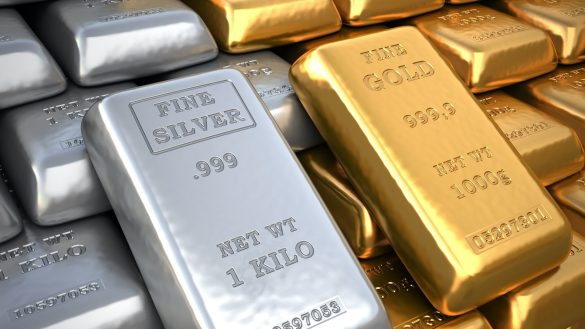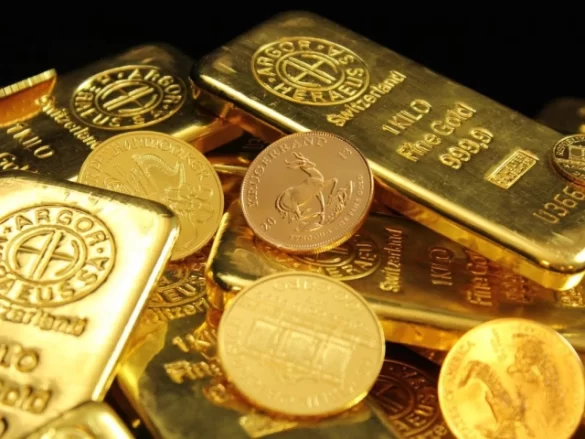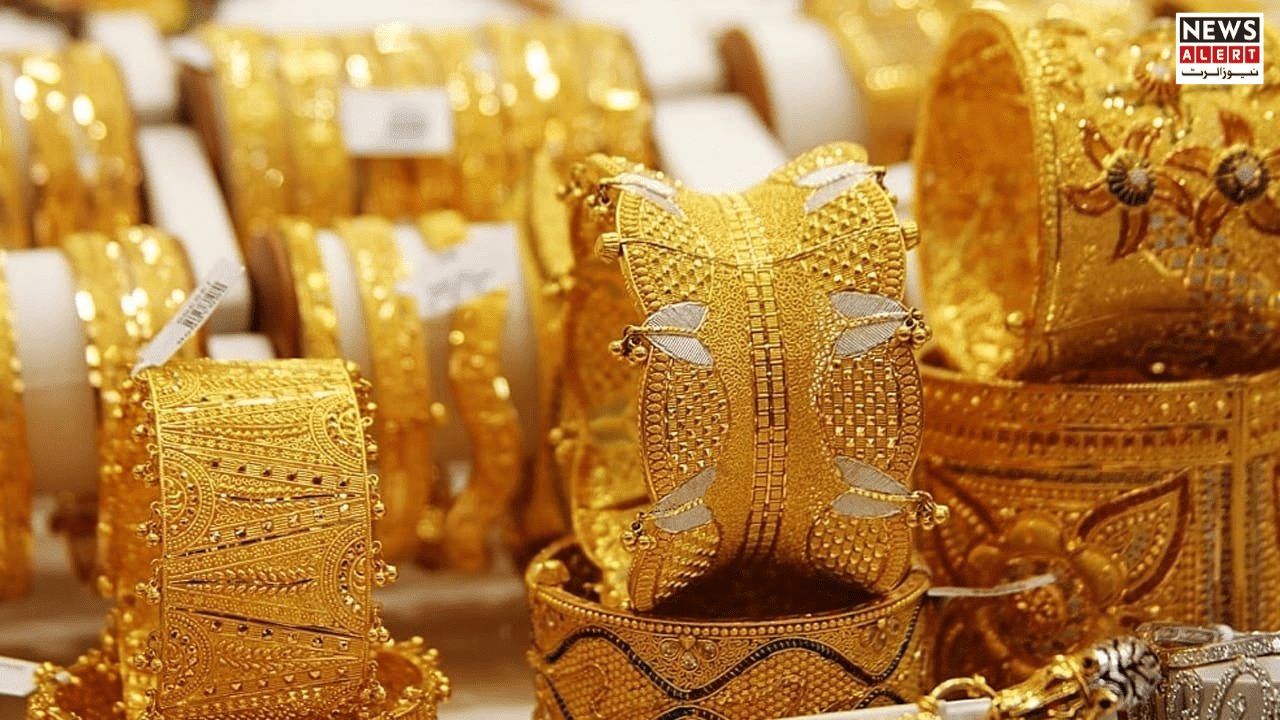
Gold prices have reached historic highs in both Pakistan and international markets, reflecting strong global demand and local economic pressures. According to industry representatives, the latest surge marks one of the sharpest single-day increases in recent months.
Also Read: Gold Prices Surge Again, Hitting Record Highs Across Pakistan
The development has drawn attention from investors, jewellers, and consumers alike. Gold is traditionally seen as a safe investment during times of uncertainty. As a result, price movements often reflect broader economic concerns.
Sharp Increase in Domestic Gold Prices
In Pakistan, gold prices rose dramatically during the latest trading session. The All Pakistan Gems and Jewellers Association confirmed the increase in official rates.
According to the association, the price of gold rose by Rs 6,200 per tola. This pushed the new price to Rs 462,362 per tola. This level represents a historic high in the domestic market.
Similarly, the price of 10 grams of gold also increased sharply. It rose by Rs 5,315 to reach Rs 396,400. This rise affected both retail buyers and the jewellery industry.
Jewellers in major cities reported strong interest despite higher prices. However, some buyers remained cautious due to affordability concerns. Rising prices often reduce demand for jewellery purchases.
Global Gold Prices Also Set New Records
At the international level, gold prices also recorded a significant increase. In global markets, the price of gold rose by $62 per ounce. It reached $4,400 per ounce, another historic peak.
International gold prices are influenced by several factors. These include inflation concerns, interest rate expectations, and geopolitical tensions. When uncertainty rises, investors often turn to gold.
The US dollar’s movement also plays a key role. A weaker dollar usually supports higher gold prices. Conversely, strong demand for gold can reflect fears about global economic stability.
Impact on Pakistan’s Economy
Pakistan’s local gold prices are closely linked to global trends. However, domestic factors also play an important role. Currency depreciation can significantly raise local gold prices.
In recent years, fluctuations in the Pakistani rupee have added pressure. When the rupee weakens, imported commodities like gold become more expensive. This directly affects local rates.
Inflation also shapes gold demand in Pakistan. Many households consider gold a reliable store of value. During periods of high inflation, people often prefer gold over cash savings.
Effects on Consumers and the Jewellery Sector
For consumers, rising gold prices create mixed reactions. Investors may benefit from higher asset values. However, ordinary buyers face higher costs.
Jewellery retailers often see slower sales during price spikes. Wedding seasons can also be affected. Families may delay purchases or choose lighter jewellery designs.
Despite these challenges, gold remains culturally significant in Pakistan. It is widely used for savings, gifts, and social ceremonies. Demand rarely disappears completely.
Outlook Remains Uncertain
Market analysts suggest that gold prices may remain volatile. Future movements will depend on global economic developments. Central bank policies will also play a role.
Any changes in interest rates could influence investor behaviour. Lower rates usually support higher gold prices. Higher rates can reduce gold’s appeal.
For now, gold continues to attract attention worldwide. Its record-breaking rise highlights ongoing economic uncertainty. Both local and global markets are watching closely.
As conditions evolve, investors and consumers alike will need to adapt. Gold’s role as a financial refuge remains as strong as ever.