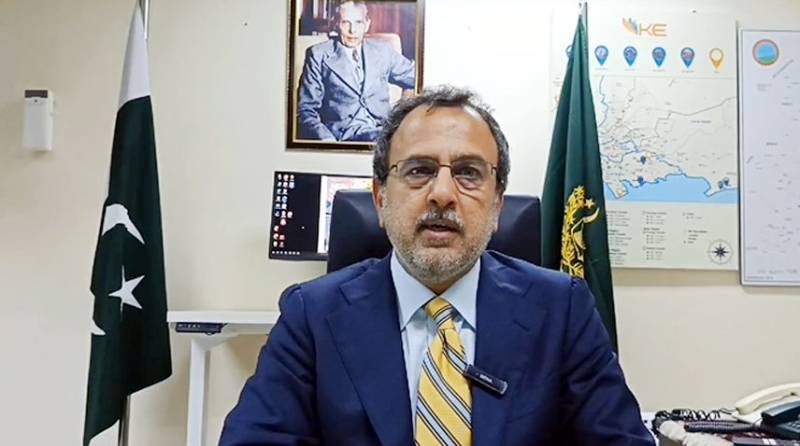
ISLAMABAD: The government is working to extend the existing electricity relief threshold from 200 to 250 units while developing a new system that would provide assistance based on poverty rather than monthly electricity consumption, Minister for Energy (Power Division) Sardar Awais Ahmad Khan Leghari told the Senate on Tuesday.
Leghari said the current system could allow wealthier households to qualify for relief by installing solar panels and reducing their grid electricity consumption below 200 units.
He said the government wanted to ensure that electricity subsidies reached low-income households that genuinely needed financial assistance.
Government Reviews Electricity Relief Policy
According to Leghari, the number of electricity consumers using up to 200 units per month had reached 20 million, with most of them using solar energy.
He said the government was reviewing the electricity tariff structure to address problems in the existing system and ensure that relief was distributed more effectively.
The minister said efforts were underway to increase the existing threshold to 250 units. However, he did not provide a timeline for implementing the proposed change.
A poverty-based mechanism, he indicated, would help the government direct assistance towards households living below the poverty line rather than relying solely on electricity consumption to determine eligibility.
Circular Debt Falls to Rs1.67 Trillion
Speaking about the financial position of the power sector, Leghari said circular debt had declined to Rs1.67 trillion.
He added that the government had set a target to eliminate circular debt over the next four years. The debt servicing surcharge associated with circular debt would also be abolished during the same period, he said.
According to the minister, the Power Division had received Rs1.18 trillion in budgetary support when the government assumed office. That amount had declined to Rs700 billion during the current year.
Leghari also said losses incurred by electricity distribution companies had been reduced each year. However, he acknowledged that the resulting benefits had not yet been passed on to consumers.
Senator Raises Concerns Over High Electricity Bills
During the Senate session, Senator Abid Sher Ali expressed concern over electricity tariffs and their impact on households across the country.
He said electricity bills had become unaffordable even for consumers classified as protected under the existing tariff structure.
“If a consumer uses just one unit more than 200 units, the electricity bill suddenly doubles,” the senator said.
He also questioned whether losses caused by electricity theft within distribution companies were being passed on to ordinary consumers, particularly those with limited incomes.
In response, Leghari stressed the need to revise tariff slabs to prevent sharp increases in bills when consumption crosses a specified threshold.
Only two members were present on the government benches during the Senate proceedings, according to the report.
Govt exits electricity purchase system as first power wheeling auction begins
Power Division Moves to Curb Unjustified Detection Bills
Separately, Leghari recently took notice of complaints that electricity distribution companies were imposing excessive and unjustified detection bills on consumers.
Following the minister’s directives, the Power Division is requiring all distribution companies to issue detection bills exclusively through the centralised online portal developed by the Power Information Technology Company (PITC).
The ministry has also imposed a ban on manual and discretionary detection bills issued by field staff or sub-divisional officers. According to the announced measures, issuing such bills manually will be treated as serious misconduct and may lead to disciplinary proceedings and major penalties against responsible officials.
The Power Division is also preparing proposed amendments to the Consumer Service Manual to establish clearly defined timelines for the relevant procedures.
The measures are intended to improve transparency in billing and prevent consumers from being charged incorrect or arbitrary amounts.
Relief Measures Remain Under Consideration
The proposed increase in the electricity relief threshold and the development of a poverty-based assistance system come amid continuing concerns about high power bills and the financial challenges facing Pakistani households.
While the government says it is working to improve subsidy targeting and reduce circular debt, consumers will be watching for details on eligibility criteria, implementation timelines and whether any changes will translate into lower electricity bills.