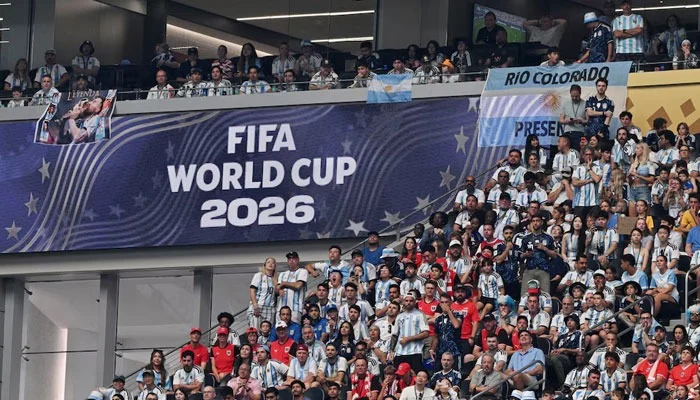
Music is an essential part of the FIFA World Cup atmosphere, helping to build excitement before kick-off, celebrate goals, and unite thousands of supporters in the stands. While many fans may assume the songs played inside stadiums are chosen at random, FIFA says every track is part of a carefully planned entertainment strategy.
A Carefully Curated World Cup Playlist
According to FIFA, more than 750 songs were selected in advance for the 2026 FIFA World Cup. The organization’s Stadium Entertainment Team works closely with each participating national football association to create customized playlists that combine globally recognized stadium anthems with music that reflects each country’s culture and identity.
Every team is assigned a unique set of songs, including a signature track for the player lineup announcement, warm-up music before kick-off, a goal celebration song, and a post-match victory anthem for winning supporters. The result is a musical experience that adds personality to every team’s journey throughout the tournament.
With the 2026 FIFA World Cup expanding to 48 participating nations for the first time, the playlists also showcase an unprecedented diversity of musical traditions from around the world.
Why Some Songs Become Stadium Classics
Certain tracks have become universal football anthems. Songs such as “Seven Nation Army” by The White Stripes, “Thunderstruck” by AC/DC, and Gala’s “Freed from Desire” have been played in sports venues worldwide for years.
According to British author Andrew Lawn, who has written extensively about football chants, successful stadium songs share common qualities. They are instantly recognizable, easy to sing, energetic, and capable of bringing large crowds together. More importantly, they often become associated with unforgettable sporting moments, allowing the emotions of victory and celebration to remain attached to the music long after the final whistle.
Neil Diamond’s “Sweet Caroline” is one such example. Although popular with sports fans for decades, the song gained renewed significance among England supporters after the COVID-19 pandemic, when its lyrics resonated with fans returning to stadiums following months of lockdowns and social distancing.
Music That Reflects National Identity
Beyond global hits, many countries use music to showcase their cultural heritage.
Argentina selected “El Matador” by Los Fabulosos Cadillacs as both its warm-up and goal celebration song. While the title may appear to celebrate football brilliance, the song actually addresses political violence and Latin American dictatorships during the 1970s.
Morocco Edge Netherlands in Penalty Shootout to Reach FIFA World Cup Round of 16
Ghana chose “Kakalika,” the 2025 dance hit by DopeNation, a song the duo describes as a celebration of diversity through a blend of local and international musical styles.
Mexico opted for three traditional tracks by the legendary folk ensemble Mariachi Vargas, founded in 1897 and still performing today, while South Korea embraced modern pop culture with songs from globally successful K-pop groups BLACKPINK and BTS.
France celebrates goals with Daft Punk’s aptly named “One More Time,” Australia welcomes its team with “Down Under” by Men At Work, and Belgium uses Technotronic’s dance classic “Pump Up the Jam” during warm-ups.
Fans Can Shape the Tournament Soundtrack
Not every song is decided before the tournament begins. FIFA sometimes adjusts stadium playlists based on fan reactions.
England supporters turned Oasis’ “Wonderwall” into an instant favorite after their team’s 4-2 victory over Croatia, singing along in unison after the match. England captain Harry Kane later described the moment as one of his most memorable experiences with the national team, saying it strengthened the bond between the players and supporters.
Similarly, American fans have quickly embraced John Denver’s “Take Me Home, Country Roads” as an unofficial football anthem, offering a more distinctive alternative to the traditional “USA! USA!” chant.
More Than Just Entertainment
The music played at FIFA World Cup stadiums serves a purpose beyond entertainment. Every playlist is designed to enhance the atmosphere, celebrate national identity, and create lasting memories for players and fans alike.
As the tournament continues to grow in size and global reach, these carefully chosen songs help transform football matches into shared cultural experiences, proving that the soundtrack of the World Cup can be just as memorable as the action on the pitch.