Iran has reiterated its willingness to pursue diplomacy to end its conflict with the United States and Israel, while maintaining that any reopening of the strategically important Strait of Hormuz depends on Tehran’s conditions being met.
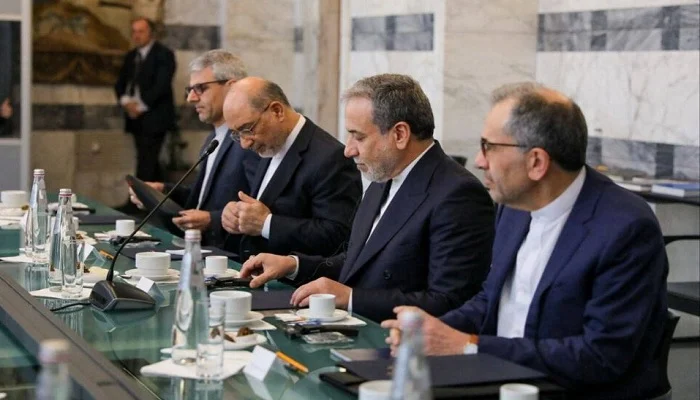
Iranian Foreign Minister Abbas Araghchi said on Sunday that only a negotiated solution could break the current deadlock, following US President Donald Trump’s rejection of an Iranian proposal involving the reopening of the waterway and an end to hostilities.
“Our conditions are clear, and any move toward reopening the Strait of Hormuz is contingent on these conditions being met,” Araghchi said in a social media post. “Only a negotiated solution can get them out of this deadlock.”
Iran had presented its proposal during the UN General Assembly in New York and said it was transmitted to the United States through Qatari mediators.
Tehran awaits formal US response
Trump said on Saturday that he had rejected the Iranian proposal, arguing that Tehran was seeking an agreement on the Strait of Hormuz because it was under pressure.
“They want to make a deal to open the Hormuz Strait immediately because they’re losing so badly,” Trump told reporters at the White House.
However, Araghchi said Iranian mediators had not formally conveyed a definitive US rejection of the proposal.
“We are waiting for the mediators to convey the definitive views to us, and we will make a decision based on them,” he said.
Iran’s proposal reportedly offered to reopen the Strait of Hormuz within seven days and resume negotiations on its nuclear programme if Washington eased military pressure and lifted its blockade of Iranian ports.
Iran maintains conditions for reopening Hormuz
The Strait of Hormuz is a critical route for global energy supplies, and disruptions to shipping through the waterway have affected oil flows and increased pressure on the global economy.
Iran has maintained that reopening the strait would be conditional on the United States meeting its demands, including an end to military pressure and the lifting of restrictions affecting Iranian ports.
Araghchi has said Tehran’s conditions were communicated to US representatives through mediators. Iran has also indicated that it remains prepared for wider negotiations if the United States agrees to the framework.
A US official previously described discussions conducted through mediators as “positive and constructive,” although Trump’s public comments have indicated that Washington remains dissatisfied with Tehran’s proposal.
Iran sets seven conditions for reopening Strait of Hormuz
Nuclear programme remains a key issue
Any broader negotiations could also involve Iran’s nuclear programme.
Trump has repeatedly said Iran must not acquire a nuclear weapon, while Iranian officials have maintained that Tehran will not give up what it considers its rights under international agreements, including uranium enrichment.
Iranian President Masoud Pezeshkian has said Tehran is prepared to discuss its nuclear programme and other issues but would not accept what he described as pressure or coercion.
“Iran is not seeking war, but will defend itself against pressure, threats and attacks,” Pezeshkian said.
Iranian officials have also stressed that the country has agreed not to develop nuclear weapons while insisting that negotiations must take place on terms acceptable to Tehran.
Conflict continues to disrupt the region
The latest diplomatic exchanges come after months of conflict that have repeatedly disrupted efforts to reach a lasting settlement.
The war has involved direct US and Israeli strikes on Iran, followed by Iranian retaliation and attacks by Iran-aligned groups elsewhere in the region.
The conflict has also affected energy markets and shipping routes, particularly around the Strait of Hormuz. Reuters reported earlier this week that Iran had expressed readiness to reopen the waterway within a week if Washington reduced military pressure and lifted its blockade on Iranian ports.
For now, Tehran has kept the door open to negotiations while insisting that any agreement must address its stated conditions, leaving diplomacy as a possible route toward breaking the continuing deadlock.